Which Is The Only Lizard In The World That Lives In The Ocean?
Do you know which is the only lizard in the world that lives in the water? This single lizard species can dive 100 feet deep into the freezing sea. While over 7,000 lizard species stick to land, this unique reptile sneezes salt to survive. Let’s discover this evolutionary wonder.
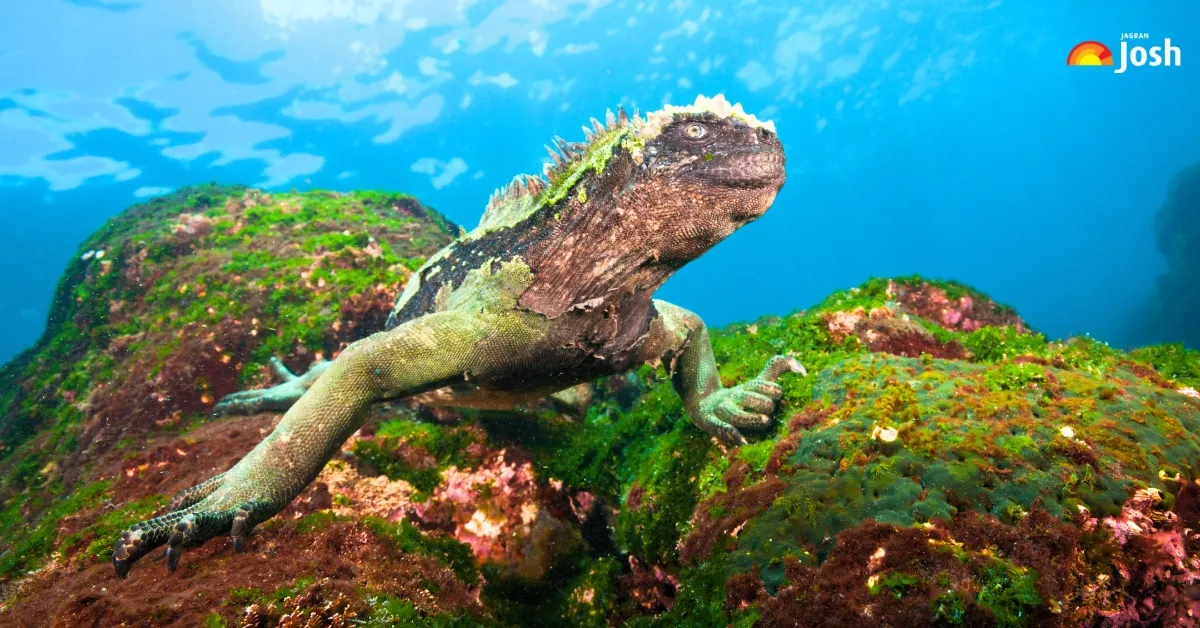
Did you know there are more than 7,000 types of lizards in the world? Lizard types include sunbathers on rocks, tree climbers and desert sand runners and come in all shapes and sizes. But here's a curveball: only one lizard on the planet has ditched dry land for a life underwater. Curious? Let's find out which species of lizard is an aquatic oddball but, in a special way, lives in the ocean for a living.
What Lizard Lives In The Ocean?
The ocean is home to many reptiles. But only one lizard lives almost like a fish. This lizard can dive deep under the water. It swims through the waves and eats sea plants for lunch.
What Is The Scientific Name Of Marine Iguana?
The marine iguana is the only lizard in the world that lives and swims in the sea. Its scientific name is Amblyrhynchus cristatus, and it is part of the Iguanidae family.
Where Does The Marine Iguana Live?
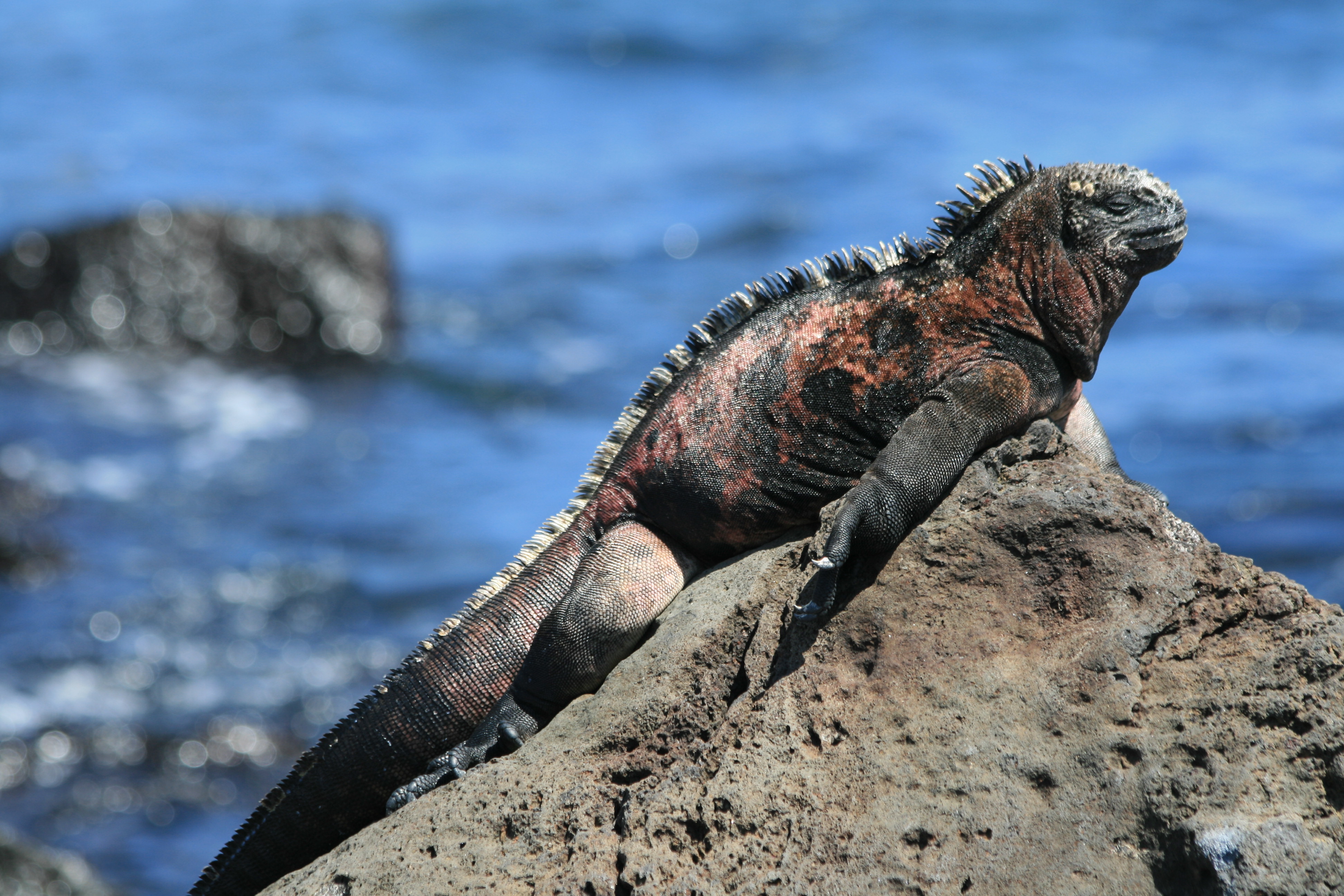
You won't find this species anywhere else on the planet; they’re Galápagos locals through and through. They are packed together in noisy colonies, hanging out on jagged rocks, splashing around in tide pools, or tucked into the tangled roots of mangrove swamps all over the islands.
Why Do Marine Iguanas Live And Dive Underwater?
Marine iguanas dive underwater only to find food. These gentle herbivores eat marine algae and seaweed. They can hold their breath and dive as deep as 30 meters (about 100 feet) and stay underwater for 30 to 60 minutes. To get rid of the extra salt they swallow, they use special glands near their noses that help them sneeze out salt crystals.
How Much Do They Weigh, And How Do Males Compare To Females?
Depending on which island you're on, these guys can tip the scales anywhere from a single pound to a whopping 26 (0.5-12 kg). The males are the real heavyweights here, stretching out to 5 feet (1.5 meters) long and sporting those unmistakable dorsal spines. The females? They keep things petite, rarely hitting 3 feet (0.9 meters) and usually weighing in at just a couple of pounds.
How Does Their Mating Process Work?
The breeding season lasts from December to May. During this time, large adult males become very territorial and fight by head-butting each other. To attract females, these usually dark grey males turn bright coppery red and green. After mating, females travel up to 1,000 feet inland to dig sandy nests and lay between 1 and 6 eggs.
Are Marine Iguanas Poisonous? What Is Their Conservation Status?
No, marine iguanas are not dangerous. They do not have poison. But these lizards are in trouble. There are about 250,000 of them in the world. Big storms like El Niño can wipe out the green algae they eat. Wild cats and dogs also hunt them. Because of these problems, there are fewer marine iguanas each year.
Conclusion: Why Is Marine Iguana The Only Lizard To Live In The Ocean?
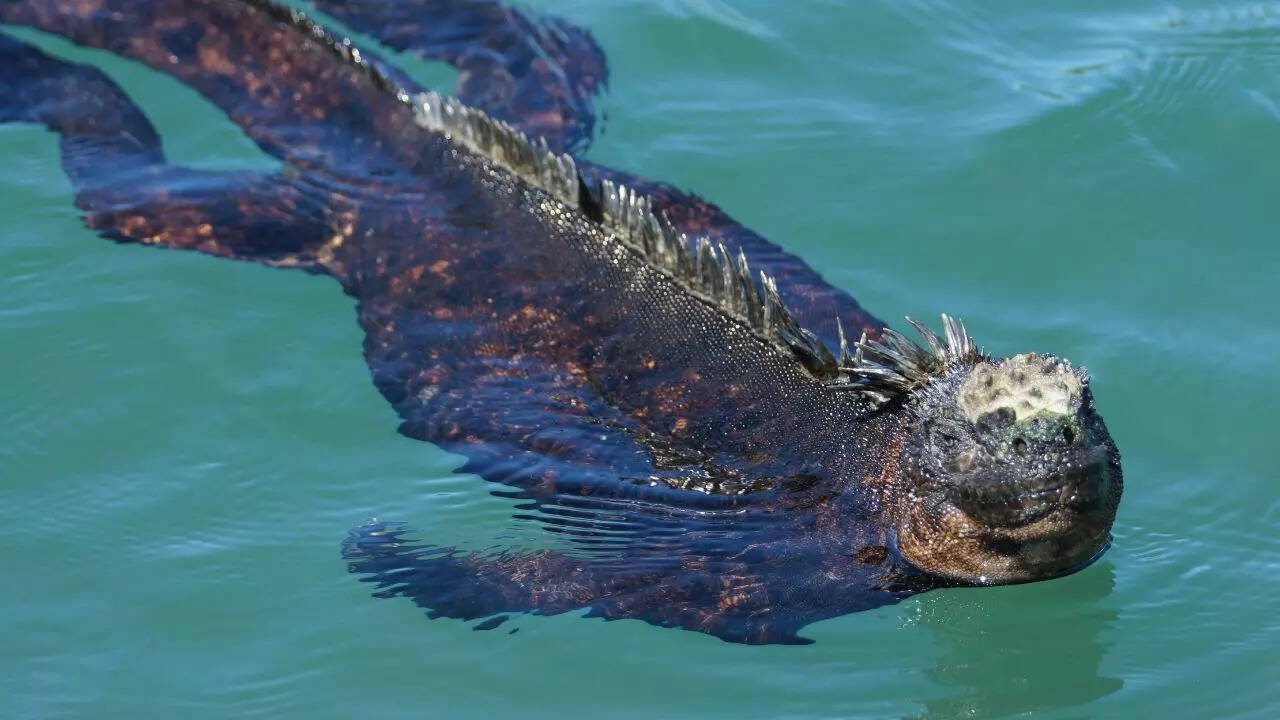
The marine iguana is basically the oddball of the lizard world. It's the only one that treats the ocean like an all-you-can-eat buffet. Most lizards wouldn't last five minutes out there.
Most lizards are cold-blooded reptiles and can't survive in the chilly ocean water. If they did, it could lead to instant paralysis. And if the cold doesn't get them, the saltwater will. Swallowing all that salt is a fast track to dehydration.
So how does the marine iguana pull off this oceanic magic trick? It's got a couple of wild adaptations up its sleeve. It has got built-in salt filters in its head, and it actually sneezes out the extra salt sometimes in dramatic, messy bursts.
Then, before it even thinks about swimming, it parks itself on sun-baked volcanic rocks for hours, soaking up enough heat to survive a dip in the icy waves. It's a weird, wonderful balancing act that makes the marine iguana one of evolution's coolest success stories.

Kriti Barua is a skilled content writer with 4+ years of experience in creating clear, engaging, and informative content. She began her writing journey as a Creative Writer Intern at Wordloom Ventures. She holds a BA degree from Delhi University and has completed a one-year diploma in TV Production and Journalism, which adds depth to her research and reporting style.
Kriti has worked across brand writing, marketing content, and digital media, building strong expertise in articles that connect with readers and perform well online. At Jagran New Media, she writes for the GK section, covering national news, international stories, and query-based articles that answer what people actively search for. Her work focuses on easy language, reliable information, strong keywords, and reader-friendly storytelling, making her content both helpful and search-friendly.


