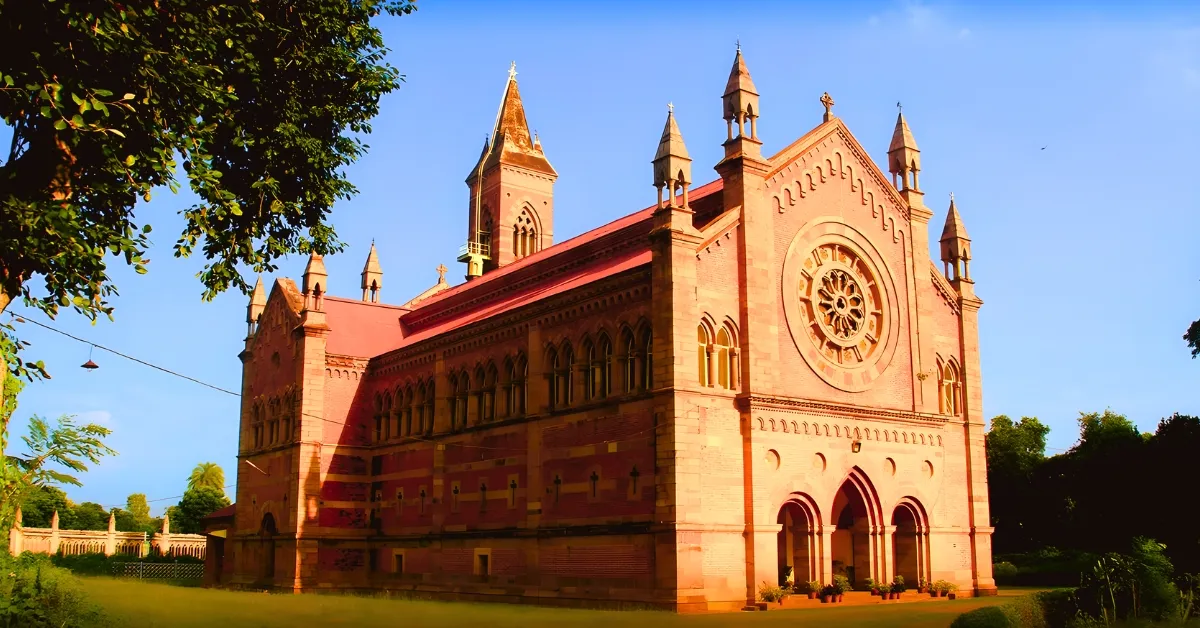
Old Name of Kanpur: India's history stretches back thousands of years. Over time, many well-known cities and regions have had different names. These old names often show the country's deep cultural and royal heritage. For example, today's Patna was once the capital called 'Pataliputra'. Chennai, a coastal city, was known as Madras for many years. These changes show how India has grown while staying connected to its roots. But there are still many secrets in history. Do you know the old name of one of the largest industrial cities in Uttar Pradesh? In this article, we will explore the interesting history and original name of this well-known city.
ALSO READ| What is the Old Name of Jharkhand?
What is the Old Name of Kanpur?

Kanpur, often called the "Leather City of the World", has a history rooted in India's ancient and colonial eras. Here are the key details regarding its name and origin:
- Ancient Roots: Legend suggests the city was founded by King Hindu Singh of the Chandel dynasty. It was originally known as Kanhpur, derived from the name "Kanhiya-pur", meaning "Lord Krishna's city".
- The Colonial Shift: During the British era in the late 18th century, the name was anglicised to Cawnpore. This happened after the British established a major military cantonment there in 1778 due to its strategic location on the Ganges.
- Official Change: The name remained "Cawnpore" throughout the British Raj. It was officially changed back to the Indian spelling, Kanpur, in 1948, shortly after India gained independence.
- Historical Timeline: The city transitioned from a small village to a major industrial hub in the mid-19th century, particularly after the 1857 uprising, which solidified its status as a vital economic centre for the British.
7+ Lesser-Known Facts About Kanpur
- The Ganges silt near Kanpur contains bacteriophages, which are natural viruses that kill harmful bacteria and keep the water clean.
- Located on the Indo-Gangetic Plain, the city’s rich soil allowed ancient civilisations to produce massive food surpluses.
- Local archaeological finds show early expertise in rust-resistant iron, similar to the technology used in famous ancient Indian pillars.
- Once a dense forest, the region's diverse ancient flora played a scientific role in maintaining a high groundwater table.
- Builders used high-density "Lakhnawi bricks", which served as a natural acoustic barrier, keeping interiors quiet.
- By mixing lime with surkhi (burnt clay), ancient engineers created a chemical reaction that kept buildings cool in extreme heat.
- Kanpur's natural moisture levels are scientifically ideal for cotton spinning, helping prevent threads from snapping during production.
- Bithoor is traditionally called the "Centre of the Universe", a claim that continues to intrigue geologists studying the region’s unique placement.
IN CASE YOU MISSED| What Is The Old Name Of Punjab?
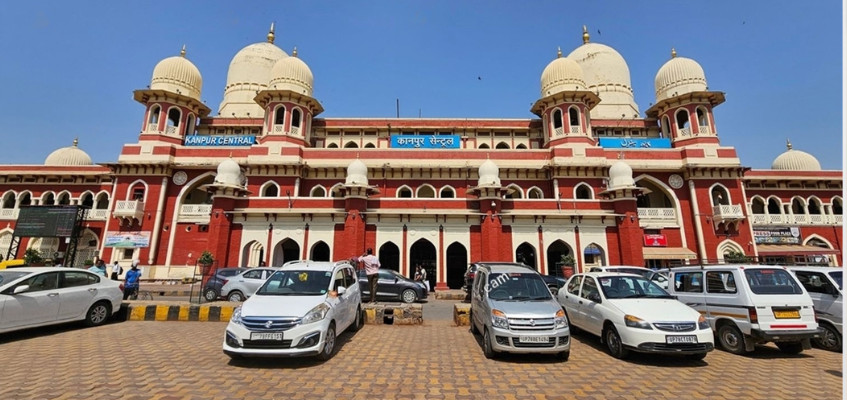
How Kanpur Got Its Name?
,aspect=fit&q=75)
Kanpur is likely named after Kanhapur, meaning "City of Kanh", another name for Lord Krishna. The city started as a small village and has become one of North India's largest industrial centres.
Historical Roadmap of Kanpur's Name
The city has evolved from a mythological site into a major commercial hub.
| Era | Name of Region | Significance |
| Ancient Era | Kanhapur | Named after Lord Krishna (Kanh) by local rulers. |
| Medieval Era | Cawnpore / Kanahpur | Remained a small village under the rule of regional kingdoms. |
| 18th Century | Cawnpore | Became a major military station under the British East India Company. |
| Post-1947 | Kanpur | The spelling was officially changed from "Cawnpore" to "Kanpur". |
Key At a Glance
- According to legend, King Hindu Singh of the Chandel dynasty founded the city and named it Kanhapur in honour of Lord Krishna.
- When the British took control in 1801, they struggled to pronounce "Kanhapur" and changed the spelling to Cawnpore in their records.
- In the 19th century, the city became a major centre for leather and textiles. Its many factories led people to call it "The Manchester of the East".
- The city was significant during the 1857 War of Independence, and sites like Sati Chaura Ghat are still preserved today.
- After India gained independence, the government changed the English spelling of "Cawnpore" to the more traditional and phonetic "Kanpur" in 1948.
Key Information Summary
- Primary Origin: Named after Lord Krishna (Kanh).
- Main River: Situated on the banks of the Ganges (Ganga).
- Industry: Famous worldwide for its leather products and historical textile mills.
- Location: A major city in the state of Uttar Pradesh.
What Is the Older Name of Kanpur?
The city was once called Kanhpur, a name thought to come from Lord Krishna (Kanhiya). When the British ruled, they changed the name to Cawnpore. In 1948, after India became independent, the spelling returned to Kanpur to honour its original roots.
Is Kanpur a Part of Awadh?
Yes, Kanpur is culturally and historically part of the Awadh region. In the 18th century, it fell under the administration of the Nawabs of Awadh. Even today, the city shares the distinct culinary, linguistic, and architectural influences common to the Awadhi heartland of Uttar Pradesh.
Who Is the King of Kanpur?
Historically, Kanpur was founded by Raja Hindu Singh of the Chandel dynasty in the mid-18th century. However, during the 1857 Uprising, Nana Sahib Peshwa emerged as the prominent leader and "king" figure, leading the resistance against British forces from his base in nearby Bithoor.
What Is the Nickname of Kanpur?
Kanpur is most famously nicknamed the "Leather City of the World" due to its massive tanning industry. It is also called the "Manchester of the East" because of its historical status as a global textile giant and the "Industrial Capital of Uttar Pradesh".
Why Is Kanpur So Famous?
Kanpur is famous as a major industrial and educational hub. It is globally recognised for its high-quality leather goods and textiles. Additionally, it is home to prestigious institutions like IIT Kanpur and holds immense historical significance as a central site during the Indian Rebellion of 1857.
WHAT'S NEXT| What Is The Old Name Of Jammu And Kashmir?