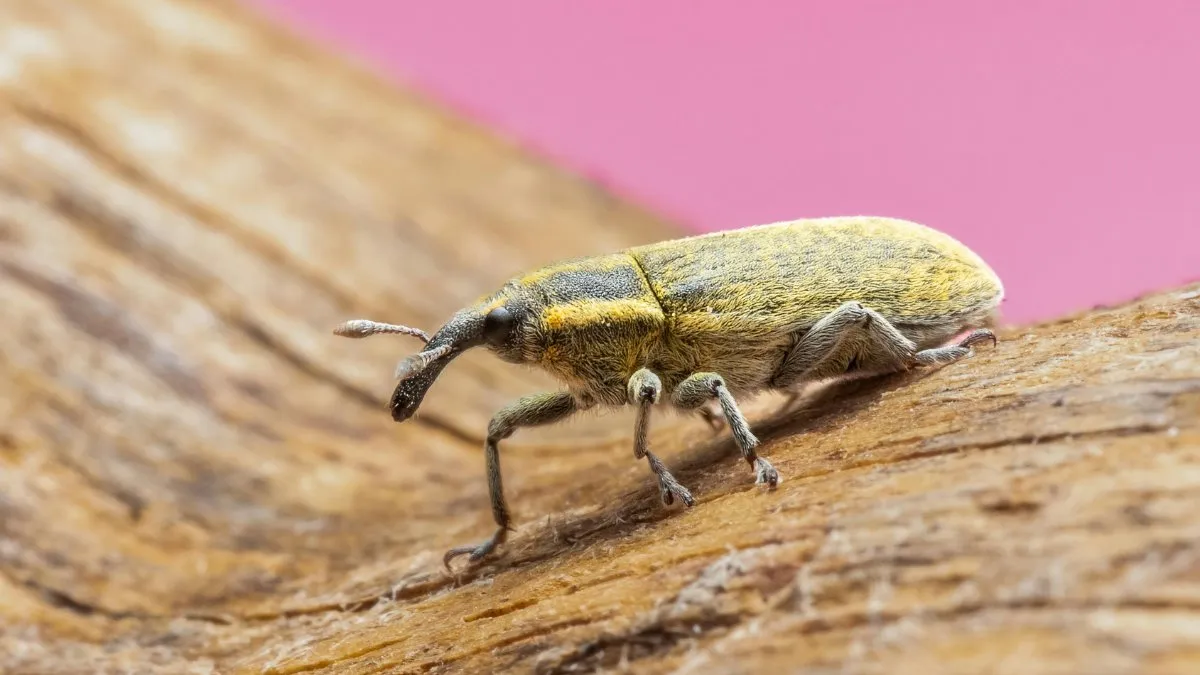
Entomology is a branch of zoology that is specialized in the study of insects. This discipline deals with insect behavior, classification and biology of insects. Insects are members of the phylum, Arthropoda, and the class Insecta. They are the largest group of animals on the Earth. There are over one million identified species of insects. According to estimates by scientists, millions more are yet to be discovered.
What is the study of insects called?
The study of insects is referred to as entomology. It is a subdivision of zoology that studies the biology, life cycles, and environmental implications of insects. A person who studies insects is called an entomologist.
Entomologists research the impact of these insects on human health, the world economy, and ecology. Food security, disease control, and forensic investigation rely on this branch of science.
What is Entomology?
Entomology is the study of insects and their connection to humans and the environment. The term is based on the Greek term entomon, which means “notched” or “segmented".
This branch of science has a long history originating in the ancient times. The first formal descriptions of insect anatomy were made by Aristotle in the 4th century BCE. In the 18th and 19th centuries however, modern entomology emerged as a science. William Kirby is dubbed the Father of Modern Entomology. In 1815, he wrote the first popular English-language book on the subject.
Why is the study of insects important?
Insects are important for study as they relate to nearly all areas of human life. They act as assistants, and nuisances.
To begin with, insects are vital to food security. They pollinate over 75% of the leading global crop types. Most fruits and vegetables would become extinct without bees and butterflies. Second, insects are key to the health of the soil. Organic material is decomposed by ants and beetles. This is a recycling process of nutrients to the earth.
Lastly, entomology aids in controlling human health. A large number of insects carry diseases. Malaria and dengue are transmitted by mosquitoes. The plague is spread by fleas. Through these insects, researchers are able to come up with methods of preventing the spread of disease.
Which are the key branches of entomology?
Entomology is a general science and has various branches. These branches specialize in a particular use of the science of insects.
Agricultural Entomology: This is the science that deals with insects that impact crops and animals. It assists farmers to safeguard food against pests.
Medical Entomology: These are scientists who have specialized in insects that carry diseases to man. The main focus areas are mosquitoes, ticks, and flies.
Forensic Entomology: It is a branch of insect biology that assists in solving crime. For e.g. The life cycle of blowflies on a body will allow experts to define the time of death.
Industrial Entomology: This deals with commercial breeding of insects. Examples are silkworms to make silk and honeybees to produce honey.
What is a person who studies insects called?
A person who studies insects is called an entomologist. Their job roles are mostly in research, agriculture, medicine, and conservation to manage pests, protect endangered species, and utilize beneficial insects.
Is a spider considered an insect?
No, a spider isn't an insect. Spiders belong to the class Arachnida. Insects have six legs and three body segments while spiders have eight legs and two body segments. Spiders also lack antennae or wings which is typical of an insect.
Which is the largest group of insects?
The largest group or order of insects is called Coleoptera, which includes beetles. Around 40% of all the insect species we know are beetles. More than 350,000 different kinds of beetles have been discovered till date.
Entomology teaches us about the largest group of animals in the world. By studying how they live, we can keep helpful insects safe and control harmful ones better. Knowing about insects is vital for keeping our planet's ecosystem balanced.
Check out some more interesting articles from the general knowledge section to boost your knowledge of national and international topics. Stay connected with Jagran Josh for more topics like this.
ALSO READ