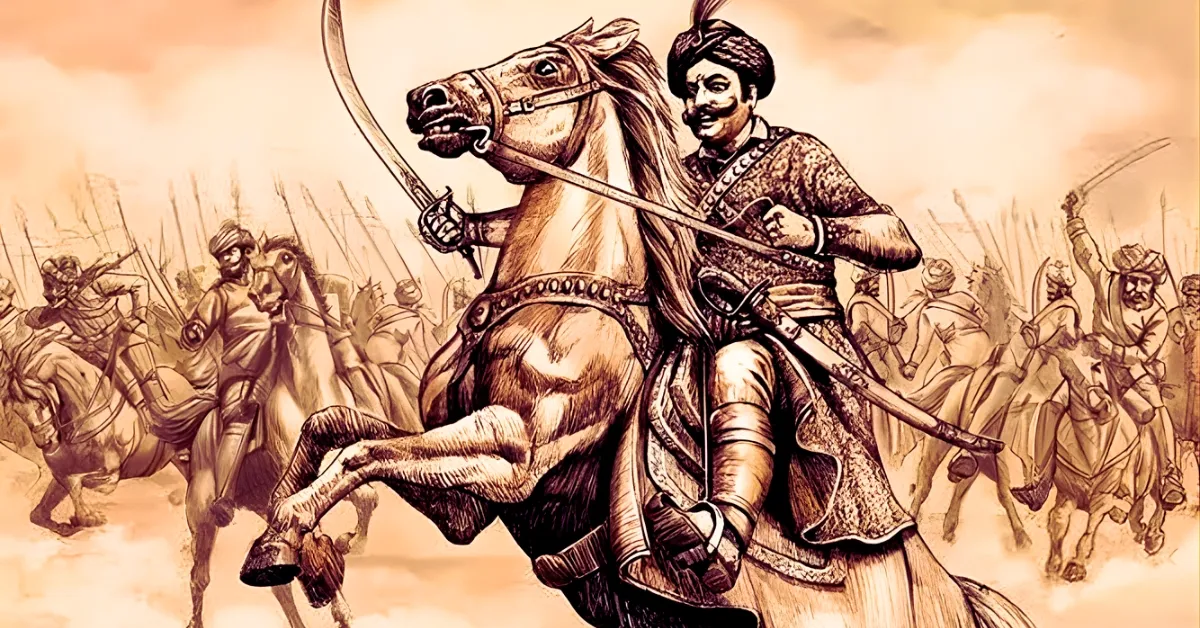
India has a rich history filled with ancient stories. Before the modern borders we know today, the Indian subcontinent was made up of powerful kingdoms and large regions, each with names that showed their culture and landscape.
Many cities we see today were quite different in the past. For instance, Varanasi was once known as Kashi in ancient texts. Chennai used to be called Madras, and Patna, the capital of Bihar, was once the legendary city of Pataliputra. These old names remind us of the kings and scholars who shaped our history.
But what about the "Land of Kings" itself? Do you know what was the old name of Rajasthan? In this article, we will take a look at the fascinating history behind this desert state and uncover the name it held for centuries.
ALSO READ: What is the Old Name of Uttarakhand?
What is the old name of Rajasthan?
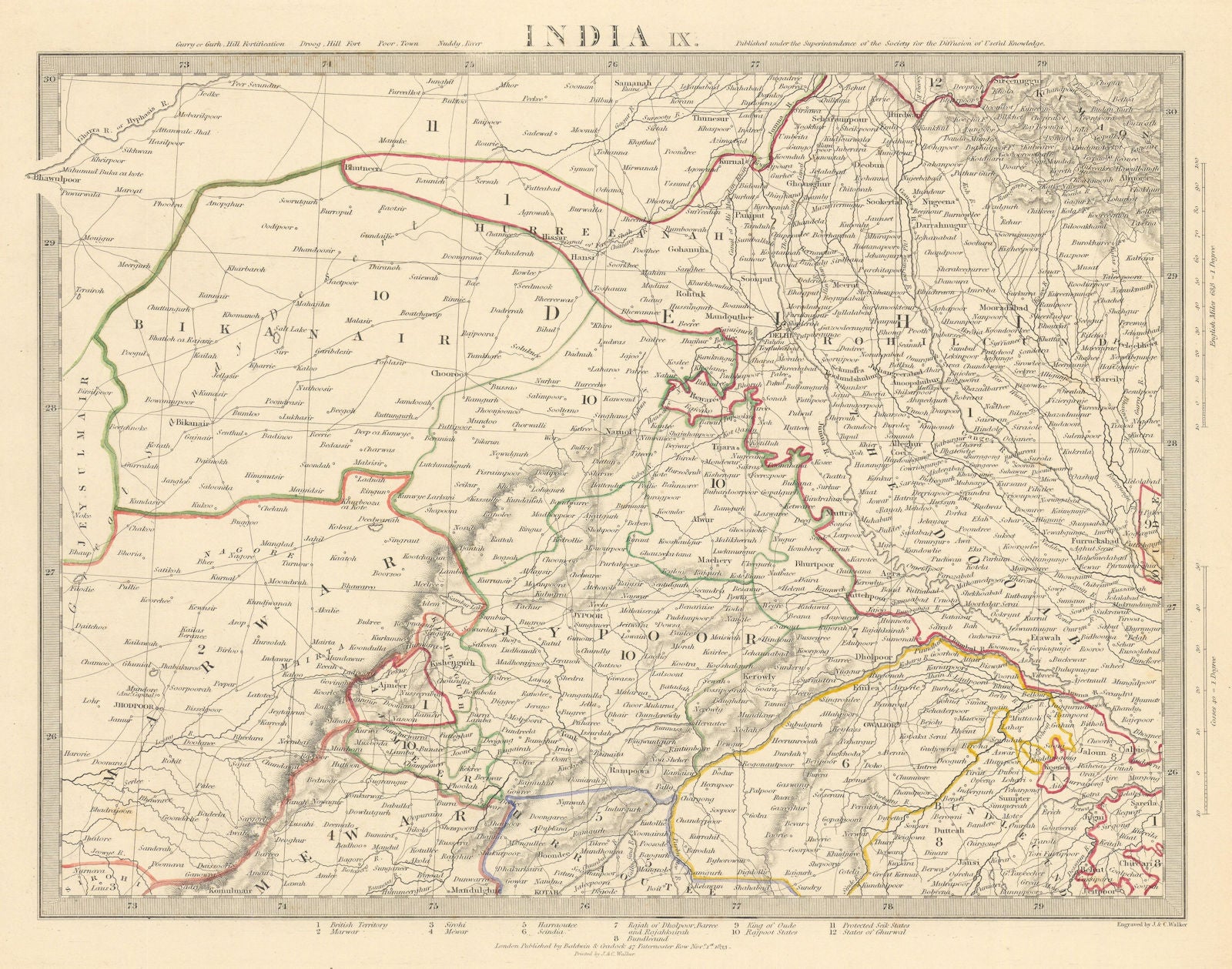
Source: Antique Maps & Prints
Rajasthan's identity has evolved through centuries of royal history and colonial influence. Here is a breakdown of how the state received its name:
- Ancient Period: In the Rigvedic era, parts of the region were known as Brahmavarta. The desert region was often referred to as Maru-Kantar in ancient epics such as the Ramayana.
- The Medieval Era: For centuries, the region was a collection of independent princely states. Because it was ruled by various Rajput clans, the area became known as the land of the Rajputs.
- Rajputana (1800): The first person to use the term "Rajputana" for this entire region was George Thomas, an Irish military adventurer. He used this name to refer to the collection of states controlled by Rajput rulers.
- Rajasthan (1829): The famous historian Colonel James Tod coined the name "Rajasthan" (meaning "The Abode of Kings") in his book, Annals and Antiquities of Rajasthan. He also referred to it as Raethan.
- Official Change (1949-1950): The name was officially adopted during the integration of the princely states after India's independence. On March 30, 1949, the United States of Greater Rajasthan was formed, and the name was formally finalised on January 26, 1950.
IN CASE YOU'RE INTERESTED: What is the Old Name of Lucknow?
In a Nutshell: The 7 Stages of Rajasthan's Formation (1948–1956)
Sardar Vallabhbhai Patel led the challenging process of bringing the princely states together. This process took place in seven clear phases:
| Stage | Name of the Union | Date of Formation | Included States/Areas |
| Stage 1 | Matsya Union | March 18, 1948 | Alwar, Bharatpur, Dholpur, and Karauli. |
| Stage 2 | Rajasthan Union | March 25, 1948 | Banswara, Bundi, Dungarpur, Jhalawar, Kishangarh, Kota, Pratapgarh, Shahpura, and Tonk. |
| Stage 3 | United States of Rajasthan | April 18, 1948 | Udaipur (Mewar) joined the Rajasthan Union. |
| Stage 4 | Greater Rajasthan | March 30, 1949 | Bikaner, Jaipur, Jaisalmer, and Jodhpur joined. (Celebrated as Rajasthan Day). |
| Stage 5 | United States of Greater Rajasthan | May 15, 1949 | Matsya Union merged with Greater Rajasthan. |
| Stage 6 | United Rajasthan | January 26, 1950 | Sirohi (except Abu and Dilwara) joined. The name 'Rajasthan' became official. |
| Stage 7 | Reorganized Rajasthan | November 1, 1956 | The final modern map was set under the State Reorganisation Act. |
Key Highlights
- The Architect: Colonel James Tod was the first to record the name "Rajasthan" in writing in 1829.
- The Integration: It took 8 years, 7 months, and 14 days to complete the full integration of the state.
- The Capital: Jaipur was chosen as the capital of Greater Rajasthan in 1949.
- The First CM: Pandit Hiralal Shastri became the first Chief Minister of the state in 1949.
5+ Lesser-Known Facts About Ancient Rajasthan
- The Saraswati River, now a lost paleochannel, once flowed through Rajasthan, supporting the highly advanced Indus Valley Civilisation.
- Archaeological excavations at Kalibangan revealed a ploughed field dating back to 2800 BCE, proving the region's early mastery of agriculture.
- The Aravalli Range is one of the world's oldest geological features, formed nearly 1.8 billion years ago, long before the Himalayas.
- The Khetri region was a primary source of copper for ancient India, demonstrating that early Rajasthani communities were experts in metallurgy and mining.
- Ancient Rajasthani architecture used "Jali" (lattice) stone screens that utilise the Venturi effect to naturally cool air entering buildings.
- The structures in Kalibangan show signs of early "earthquake-resistant" construction techniques, such as specific mud-brick designs.
- The Orans (sacred groves) of Rajasthan are ancient community-protected forests that have preserved biodiversity for over 500 years.
What Is The Second Name of Rajasthan?
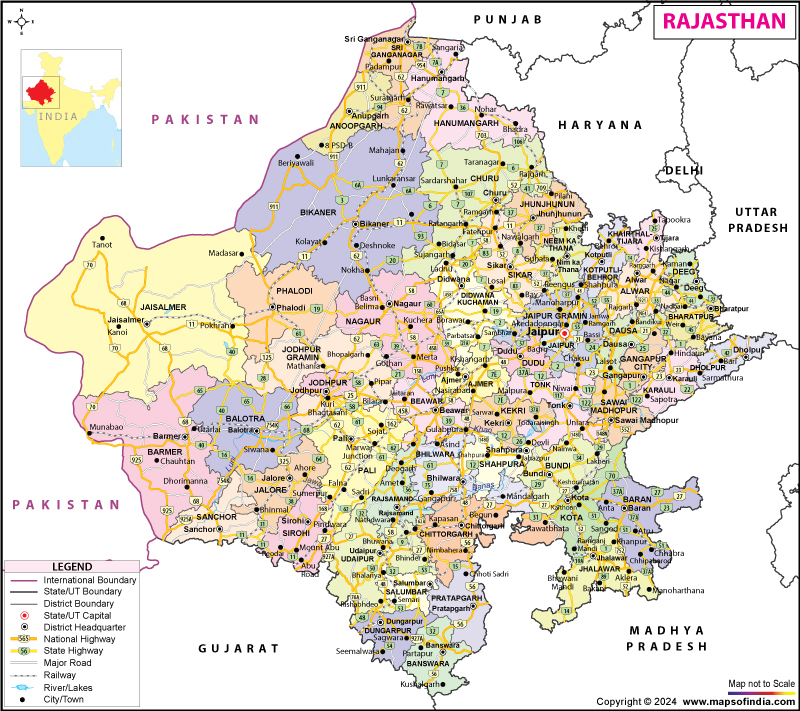
Source: India Map
Rajputana is the most well-known alternative name for this region. In 1800, an Irish military officer named George Thomas first used the term to describe the area. He chose the name because the Rajput clans, known for their bravery, ruled their own independent princely states here.
What Are The 7 Historical Names of Rajasthan?
Rajasthan has had many names over the centuries, each reflecting its history and rulers. In ancient times, people called it Brahmavarta and Maru-Kantar. Later, during the medieval period, it was known as Raethan or Rajwara, which means the "Abode of Kings".
Under colonial rule, it became famous as Rajputana. Locals also used the name Marwar for the desert region. In 1949, all these regions came together as Rajasthan, a name that stands for the unity of its royal states.
YOU MIGHT LIKE: What is the Old Name of Mizoram?
What Is Another Name for Rajasthan?

Source: Indian Panorama
Rajasthan is often called the "Land of Kings", which comes from the meaning of its name: "Raj" means King and "Sthan" means Land. People also refer to it as the "Desert State of India" because the Great Indian Thar Desert is located here.
Who Gave Rajasthan its Name?
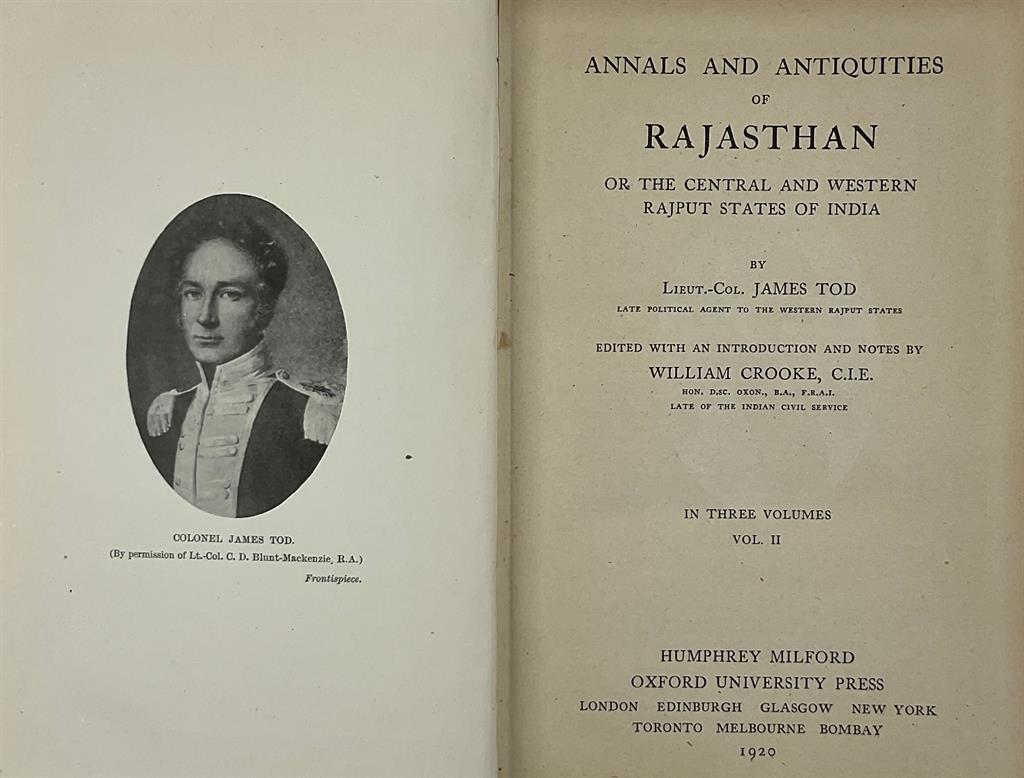
Source: StoryLTD
Colonel James Tod, a British political agent and historian, is credited with giving the state its modern name. In 1829, he published the well-known book Annals and Antiquities of Rajasthan. This was the first time the word "Rajasthan" appeared in writing to describe the region.
He admired the local culture and combined the words for "royal" and "place" to create a name that honoured the many kings who had ruled the land for centuries.
WHAT'S NEXT: What is the Old Name of Odisha?



Comments
All Comments (0)
Join the conversation