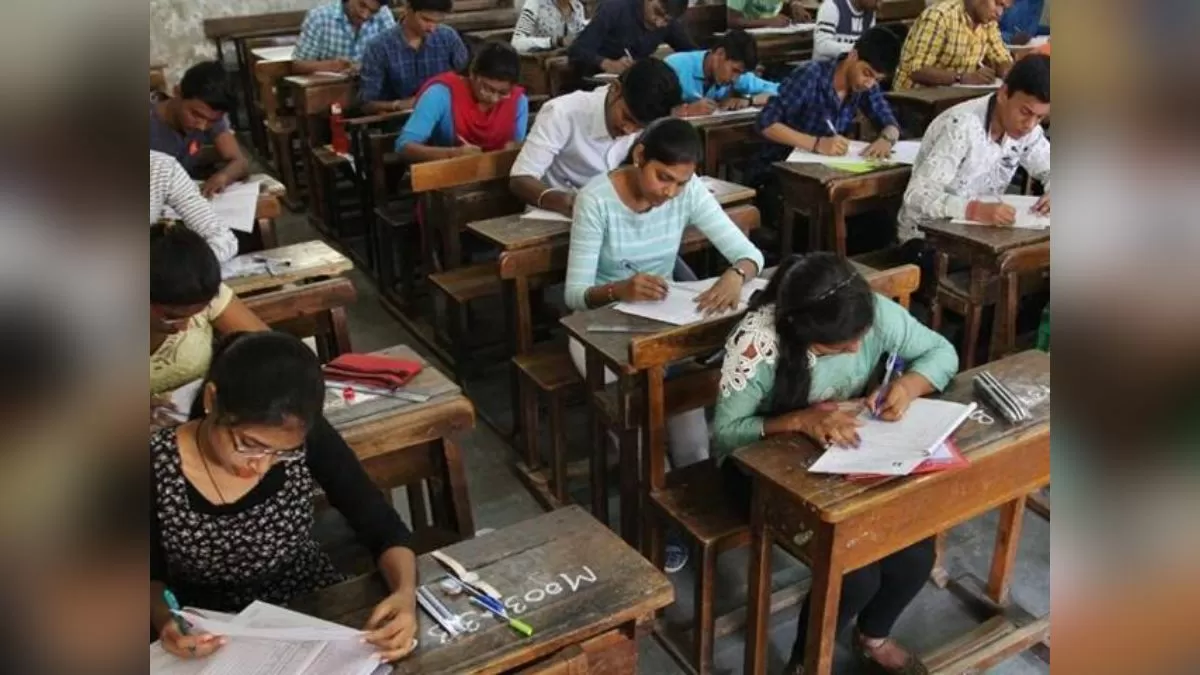
Karnataka Proposes 15 Percent Horizontal Quota for Rural Students in Professional Education Government Seats


Karnataka Higher Education: The Karnataka Higher Education Department proposed a 15% horizontal rural quota for professional course admissions under the 2026 Amendment Rules. The policy splits the quota equally into two 7.5% sub-categories: one for rural government school graduates and another for general rural school students, aiming to address educational disparities.

Karnataka Higher Education: The Karnataka State Higher Education Department has issued a notification in respect of draft amendments to create a 15% horizontal quota for rural candidates aspiring to secure admission in government seats in professional programmes, including medicine and engineering streams. This initiative has been put forth via the Karnataka Selection of Candidates for Admission to Government Seats in Professional Educational Institutions (Amendment) Rules, 2026. Through this measure, there will be an attempt to rectify the gap in the rural-urban divide created on account of disparity in the provision of coaching facilities, socio-economic background and school facilities.
The proposed policy is a horizontal reservation system which operates across vertical classifications such as SC, ST, and OBC without changing the total number of seats. In the proposed scheme of things, the 15% reservation will be split into two sub-quotas of 7.5% each. Of these, the first 7.5% sub-quota will be allocated to students completing Classes 1 to 10 from government schools or government pre-university in rural areas only. The second 7.5% sub-quota will apply to students completing primary and secondary education from any rural school, including private rural schools.
Karnataka: Key Policy Highlights
Below are the key highlights of the Karnataka Horizontal Quota for Rural Students:
| Parameter | Details |
| Draft Rule Name | Karnataka Selection of Candidates for Admission to Government Seats in Professional Educational Institutions (Amendment) Rules, 2026 |
| Statutory Authority | Section 14 of Karnataka Educational Institutions (Prohibition of Capitation Fee) Act, 1984 |
| Total Proposed Quota | 15% Horizontal Reservation across government seats |
| Primary Objective | Address disparities in coaching, infrastructure, and access between rural and urban aspirants |
| Public Consultation | 15-day window for public feedback, suggestions, and objections following official publication |
Bifurcation of the 15% Horizontal Quota
The policy, as suggested, will create two separate 7.5% categories out of the present 15% quota system as follows:
-
7.5% For Rural Students with Background of Education in Government Schools: This category shall be reserved solely for the qualified rural candidates who received their Class 1 to Class 10 education in government schools or government pre-university college institutions situated in the rural areas.
-
7.5% For General Rural Students: This category shall be reserved for those rural candidates who have received their Class 1 to Class 10 education from any kind of educational institute situated in rural areas.
Core Implementation Rules
-
Horizontal Implementation: Works horizontally among various existing vertical classes (such as SC, ST, OBC), which implies that its impact is felt among the current seat reservations as opposed to changing the upper limit of vertical reservations.
-
Mandatory Criterion: They should have undergone continuous education up to Class 10 from Classes 1 to 10 in the specified rural limits.
-
Final Gazette Notification: The regulations will come into force in state professional admissions after considering the public comments and notifying the same in the official gazette.
Siddhi Sharma is an education journalist at Jagran Josh. A Journalism and Mass Communication graduate from IP University, she brings sharp newsroom instincts developed during her previous stint at Zee News. At Jagran Josh, Siddhi specializes in decoding the educational updates. Her coverage is highly exam-centric, ranging from curated news blogs for competitive exams to crucial school board and university news. Combining her strong media foundations with a research-driven approach, she creates reliable, high-utility content that helps students and aspirants stay ahead of the curve. Her writing is factual, engaging, and tailored to meet the fast-paced needs of modern learners and exam aspirants.