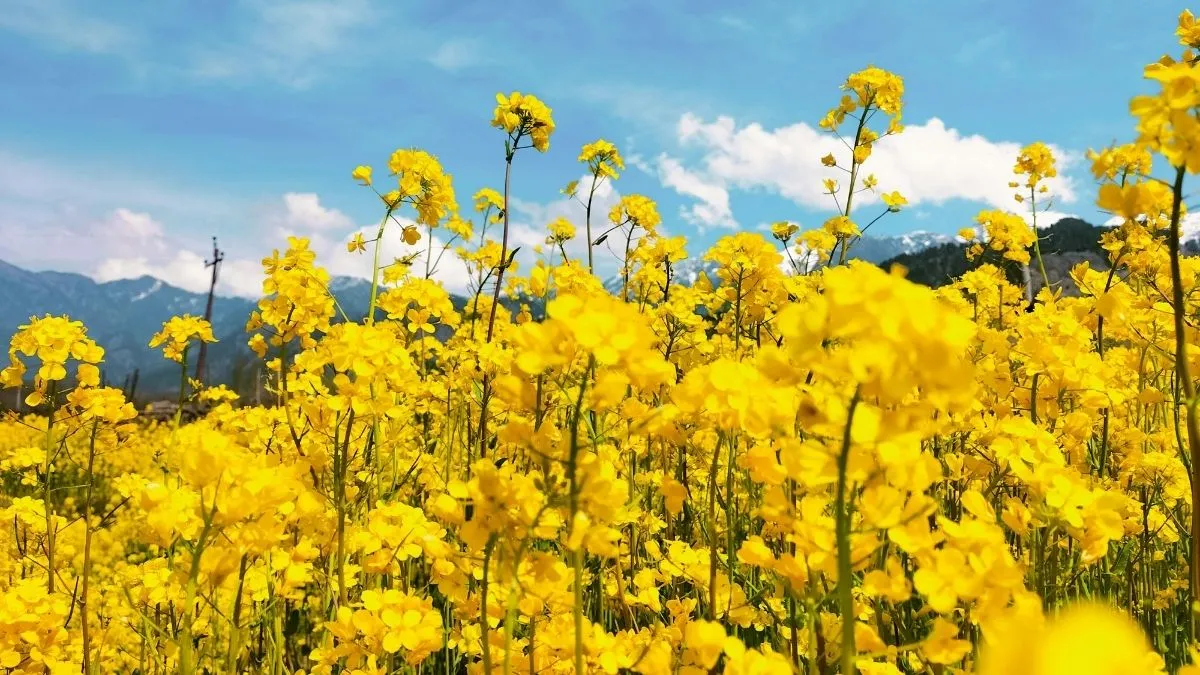
In 2026, the simple mustard seed made a big comeback, not just as a kitchen staple but also as a powerful tool for regenerative farming. The USDA National Agricultural Statistics Service's most recent reports show that mustard production has increased in the Northern Plains as farmers take advantage of its natural bio-fumigant properties.
The first step in learning about the many uses of mustard, whether you're a biology student or a food lover, is to find out its scientific name. There are many different types of mustard, all of which belong to the Brassicaceae family. The mustard plant's scientific name varies significantly depending on whether you’re looking at the yellow condiment on a hot dog or the spicy greens in a salad.
What is the Scientific Name of Mustard?
Mustard is not a monolithic species. Instead, the term refers to several distinct plants within the Brassicaceae (formerly Cruciferae) family. The three most commercially significant species are:
-
Yellow/White Mustard: Sinapis alba (sometimes classified as Brassica alba).
-
Brown/Indian Mustard: Brassica juncea.
-
Black Mustard: Brassica nigra.
Each botanical name of mustard reflects a specific lineage that dictates the seed's heat level, oil content, and growth habit. For instance, the scientific name of mustard seed used in traditional American yellow mustard is almost always Sinapis alba, prized for its milder flavor and stabilizing properties.
Classification of Mustard Plant
To understand where mustard fits into the natural world, we look at its higher biological ranking. The scientific name of mustard plant varieties all share the same family traits, such as four-petaled flowers that form a cross shape.
| Taxonomic Rank | Classification of Mustard |
| Kingdom | Plantae |
| Order | Brassicales |
| Family | Brassicaceae |
| Genera | Brassica and Sinapis |
| Common Varieties | B. juncea, B. nigra, S. alba |
The mustard flower's scientific name is often discussed in botany because of its cruciferous arrangement. This structural trait is why mustard is a cousin to kale, broccoli, and cabbage.
Different Types of Mustard and Their Scientific Name
The diversity of the genus Brassica allows for a wide range of culinary and industrial uses. Below are the primary types found in U.S. markets:
-
Brown Mustard (Brassica juncea): Also known as Indian or Oriental mustard, this is the go-to for Dijon-style spreads and spicy oils. It is favored by growers for its high yield and drought resistance.
-
Black Mustard (Brassica nigra): The most pungent variety, though less common in large-scale mechanical farming because the seeds shatter easily from the pod.
-
Field Mustard (Brassica rapa): Often grown as a cover crop or for its edible leaves (turnip greens), though it is a close relative of the oilseed varieties.
Also Read - What is the Scientific Name of Potato?
Where did Mustard Originate from?
Historically, mustard is a global traveler. Official sources like the McCormick Science Institute note that white and black mustard are likely native to the Mediterranean region. In contrast, brown mustard originated in the Himalayan foothills, eventually spreading through China and India.
By the mid-20th century, North America, specifically the Canadian prairies and the U.S. Northern Plains, became a global hub for mustard cultivation. Today, these regions lead the world in producing high-quality Sinapis alba for the condiment industry, proving that this ancient plant has found a permanent home in modern Western agriculture.
Check Out - What is the Scientific Name for the Banana?
As we move through 2026, the scientific name of mustard serves as a bridge between ancient herbal tradition and modern food science. Whether used for soil health or gourmet cooking, the specific botanical identity of your mustard determines its potency, flavor profile, and environmental impact.