Show Key Points
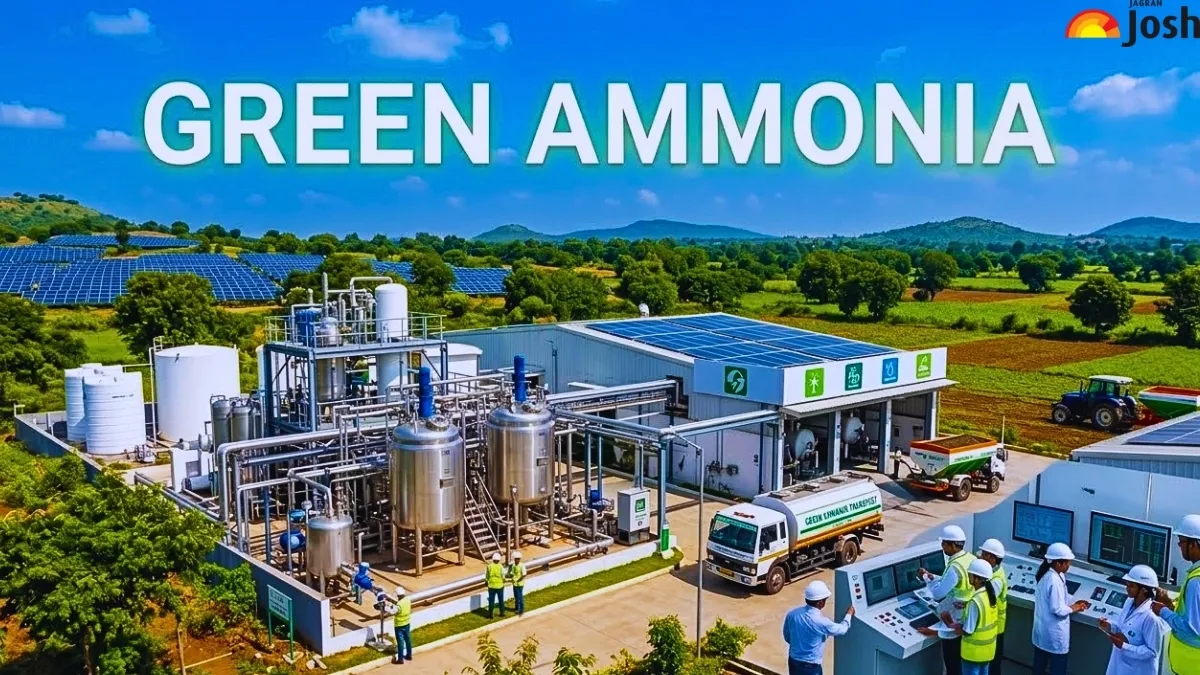
Green Ammonia is the bridge to a net-zero carbon world. Ammonia is a colorless gas which has been a silent backbone of global agriculture but its traditional production is a major source of carbon emissions. Green Ammonia is emerging as a game-changer by leveraging renewable energy and becoming a cornerstone of today's global green economy.
What is Green Ammonia? and How is It Produced?
Green Ammonia is chemically identical to the ammonia (NH3) which includes nitrogen and hydrogen. Typically ammonia is used to produce fertilizers and industrial chemicals. In normal Ammonia production, hydrogen is stripped from natural gas, releasing massive amounts of CO2 emission. How does Green ammonia Produces:
-
Renewable Power: Electricity is sourced from solar, wind, or hydro power.
-
Water Electrolysis: This green power is used to split water (H2O) into oxygen and green hydrogen.
-
Air Separation: Nitrogen is captured directly from the air.
-
Synthesis: The green hydrogen and nitrogen are combined using the Haber-Bosch process to create 100% carbon-free ammonia.
What are the Uses of Green Ammonia?
-
Fertiliser: Agriculture is the biggest consumer of ammonia. Switching to green fertilizer allows farmers to grow food without the heavy carbon footprint associated with traditional nitrogen-based nutrients and limit the CO2 emission.
-
Carbon-Free Shipping Fuel: The green ammonia used is in the maritime sector(fuel for ships), ideal for massive cargo ships because it is easier to store than liquid hydrogen and contains more energy than batteries.
-
Energy Storage and Transport: companies turn hydrogen into green ammonia for shipping because hydrogen is difficult to transport and then turn back into hydrogen once it reaches its destination.
-
Chemical Products: Green Ammonia used in the production of chemical products such as synthetic fibers, explosive, dyes, pharmaceuticals and nitric acid.
What are the Benefits of Green Ammonia?
Green Ammonia can eliminate nearly 2% of total global CO2 emissions currently caused by traditional ammonia production.
Green ammonia can be stored in tanks and transported globally, acting as a liquid battery.
It provides a clean solution for sectors that cannot easily run on electricity alone, such as long-haul shipping and decarbonising heavy industry and fuel in boilers, turbines or engines to generate heat and electricity.
Green Ammonia in India:
Under the National Green Hydrogen Mission India has set a target to produce 5 million metric tonnes of green hydrogen by 2030, much of which will be converted into ammonia.
The government notified Green Ammonia Standards mandating that ammonia to be called green and its production can emit 0.38 kg CO2 per kg.
India's Major Players like Reliance Industries and Greenko are focusing on Green Ammonia and positioning India as a Global Powerhouse of the clean energy source.
What is the Difference Between Green Ammonia and Ammonia?
| Feature | Conventional Ammonia (Grey/Brown) | Green Ammonia |
| Raw Material | Natural Gas (Methane) or Coal | Water and Air |
| Energy Source | Fossil Fuels | Renewable Energy (Solar/Wind) |
| Carbon Footprint | High (approx. 2 tons of CO2 per ton of NH3) | Near Zero |
| Main Use | Industrial Fertilizer | Fuel, Energy Storage, & Green Fertilizer |
Green ammonia is the bridge to a net-zero future, transforming a century-old industrial process into a clean energy powerhouse. By serving as both a sustainable green fertilizer and a carbon-free fuel, it is set to play a pivotal role in India’s energy independence and the global fight against climate change.



Comments
All Comments (0)
Join the conversation