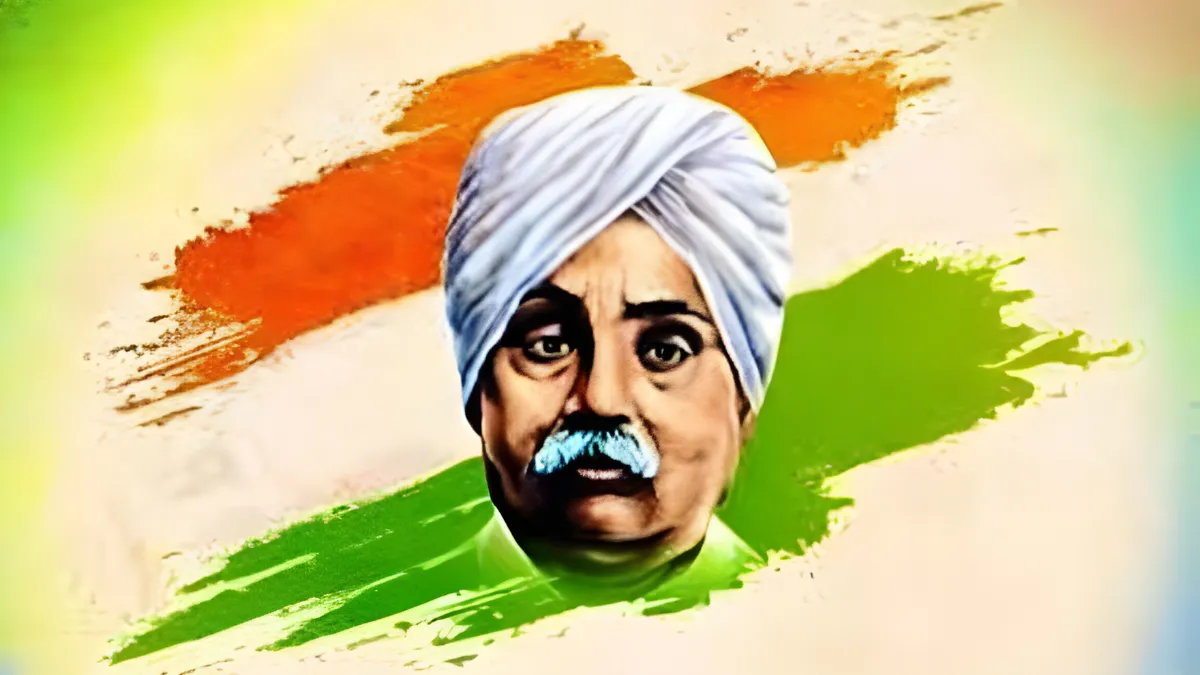
Lala Lajpat Rai also known as Punjab Kesari (Lion of Punjab) was a giant of freedom fighter, social reformer and an author and her rebellious spirit characterized the struggle of India by the struggle of independence.
A member of the ardent Lal-Bal-Pal trio, his life is an encouragement to students to have the strength to resist colonial rule, beginning in the Arya Samaj background to his martyrdom.
Lala Lajpat Rai: Early Life and Education
Ferozepur district (now Punjab, India) born in Dhudike village on January 28, 1865, to a Punjabi Aggarwal family.
Another teacher, Father Munshi Radha Krishna Azad, taught him the principles of Arya Samaj of Vedic revival and social equality; his mother, Gulab Devi, taught him the principles of service.
He attended Government College, Rewari and Punjab University Law College, Lahore where he completed his law degree in 1885.
The period as a lawyer in Hisar and Lahore Early legal practice-Activism Combining legal practice with activism, formed as a branch of Hisar Arya Samaj in 1886.
Entry into Public Life
Lajpat Rai entered public life at a tender age. He founded the Hisar Congress Committee and ‘Dayanand Anglo-Vedic (DAV) schools in 1892, which became an advocate of modern education based on Hindu ethics.
He led the relief operations during the famine of 1897, and he disbursed relief without any religious discrimination. He led the Hindu Orphan Relief Movement (1897) and rescued children against forced conversion into missionaries, which gained him a grass-root following.
Timeline of Events
| Year | Event |
| 1865 | Born in Dhudike, Punjab |
| 1885 | Completes law degree; starts practice in Hisar |
| 1886 | Founds Hisar Arya Samaj |
| 1897 | Leads famine relief and orphan protection |
| 1905 | Protests Bengal Partition; edits Punjabee |
Political Career and Freedom Struggle
Joined Indian National Congress (INC) in 1888, rising in its Extremist wing. In 1907 Surat Session allied with Bal Gangadhar Tilak and Bipin Chandra Pal against Moderates' gradualism, advocating Swadeshi and boycott.
Deported to Mandalay jail (May 1907-November 1908) without trial for "sedition" amid partition unrest; release fueled his radicalism. Quit lucrative law practice in 1914 for full-time politics.
Major Contributions
Journalism powerhouse: Founded Vande Mataram (1907), edited The People; authored Unhappy India (1920, rebuttal to pro-British Mother India), The Arya Samaj, Satyarth Prakash commentaries.
-
Institutions: Co-founded Punjab National Bank (1894); Servants of the People Society (1921) for selfless service; Hisar Municipal Committee reforms.
-
Social reforms: Fought untouchability, child marriage, cow slaughter; women's education advocate; interfaith harmony promoter despite Hindu focus.
Simon Commission Protest and Death
1928 Simon Commission (all-British, no Indian members) sparked nationwide "Simon Go Back!" protests. On October 30, Lahore, Lajpat Rai led black-flag march; police lathi-charge targeted him, fracturing skull.
He died November 17, 1928, aged 63, declaring "My life is dedicated to India's freedom." Bhagat Singh avenged by killing J.P. Saunders, linking non-violence to revolution.
Also Read| Independence Day 2024 Quiz: Do you know these basic questions about India?
Lala Lajpat Rai’s Legacy
Statues across India; Lala Lajpat Rai University of Veterinary and Animal Sciences (Punjab); memorials like Lahore statue (now Pakistan). J
January 28 is celebrated as Balidan Divas (Day of Sacrifice).
Symbol of Punjab's militant nationalism, blending reform and resistance that is relevant in today's civic activism.





Comments
All Comments (0)
Join the conversation