Key Points
- In 2026, Black History Month marks 100 years since its start as Negro History Week in 1926.
- February was chosen to coincide with Lincoln's & Douglass' birthdays.
- The 2026 theme is "A Century of Black History Commemorations."
Do you know why Black History Month is in February? In 2026, Black History Month isn't just an annual tradition; it’s a centennial landmark. Exactly one century ago, in 1926, the first organized effort to mainstream African American history was born.
For the modern and curious minds, this 100-year journey represents a shift from a "neglected history" to a global movement for equity.
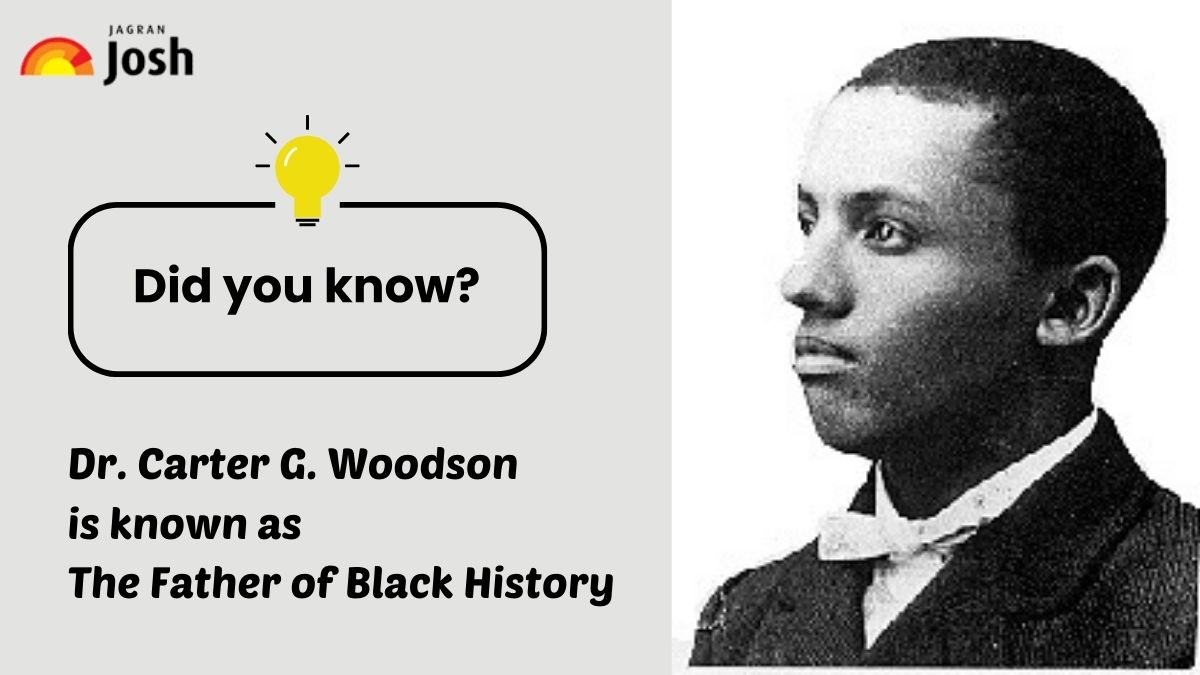
As we observe the 2026 Black History Month theme: "A Century of Black History Commemorations," it is crucial to understand that the choice of February was a tactical, brilliant move by the Father of Black History, Dr. Carter G. Woodson.
Why is Black History Month Celebrated in February?
The choice of February was never about it being the shortest month; it was a strategic decision by Dr. Carter G. Woodson to align with two existing powerhouse dates in the Black community. Woodson noticed that many African Americans were already holding private celebrations for the birthdays of two men:
-
Abraham Lincoln (February 12): The U.S. President who issued the Emancipation Proclamation.
-
Frederick Douglass (February 14): The legendary abolitionist and orator who, having escaped slavery, chose this date for his birthday.
Woodson’s genius was to wrap Negro History Week (the precursor to the month) around these two dates to ensure the movement would be adopted quickly by schools and community groups already gathered to celebrate these icons.
When did Black History Month Start, and how has it changed?
While we celebrate the 100th anniversary in 2026, the celebration didn't always last 28 days. It began as Negro History Week in the second week of February 1926.
According to the Association for the Study of African American Life and History (ASALH), Woodson’s goal was to shift the focus from just two great men (Lincoln and Douglass) to the broader achievements of the entire Black race.
The transition to a full month happened much later. In 1970, students and faculty at Kent State University held the first month-long celebration.
However, it wasn't until 1976, the U.S. Bicentennial, that President Gerald Ford officially recognized Black History Month, urging the nation to "seize the opportunity" to honor the often-neglected accomplishments of Black Americans.
Check Out - How Well Do You Know Native American History? Take this Quiz Challenge to Find Out
What is the 2026 Black History Month Theme?
Every year, a specific theme is chosen to guide the conversation. For 2026, the theme is "A Century of Black History Commemorations," honoring the 100-year evolution of this movement.
| Key Fact | About Black History Month |
| The Founder | Dr. Carter G. Woodson, second African American to earn a PhD from Harvard. |
| Centennial Year | 2026 marks 100 years since the first "Negro History Week" in 1926. |
| Global Observance | In the UK and Ireland, the celebration happens in October. |
| 2026 Special Edition | The U.S. Postal Service is issuing the Phillis Wheatley Forever Stamp as part of the Black Heritage series. |
According to The EDU Ledger, 2026 also aligns with the 250th anniversary of U.S. independence, sparking a massive national dialogue on making history books more accurate and inclusive for the next generation.
Check Out - Did Vikings Discover America 500 Years Before Columbus? New Evidence Confirms Norse Presence in 1021 AD
Black History Month is a reminder of how powerful it is to take back your story. In 2026, we will celebrate 100 years of this movement. The ‘why’ of February has been a symbol of strength since 1926, when it was studied for just one week.
Now, it is celebrated around the world. With minority groups expected to have $7 trillion in buying power this year, learning about Black history is no longer just an academic exercise; it's a key part of the world's culture and economy.




Comments
All Comments (0)
Join the conversation