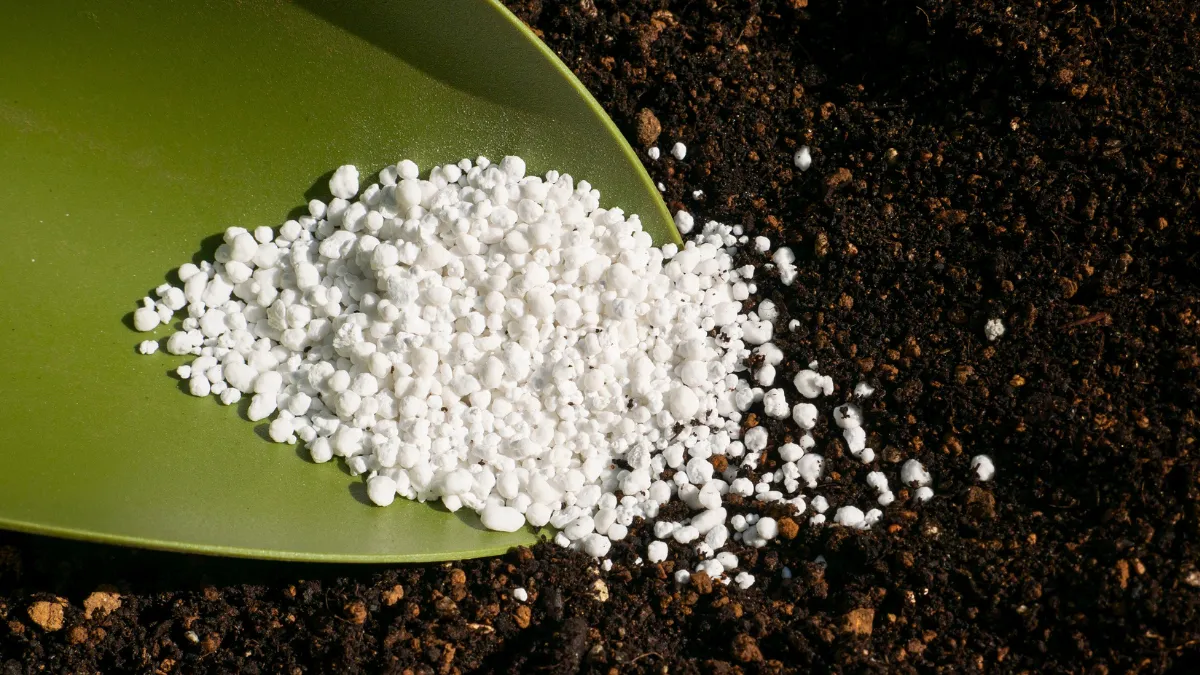
Fertilizers are the backbone of India’s agriculture economy. As of April 2026, the fertilizer landscape in India is evolving rapidly with a focus on balanced nutrition, sustainable Nano technologies, and robust government support to shield farmers from global price spikes.
What is fertilizer?
Fertilizers are natural or synthetic substances added to soil or plant tissues to supply one or more nutrients essential to the growth of plants.A fertilizer is any material organic or inorganic that is applied to soil to provide essential elements like Nitrogen (N), Phosphorus (P), and Potassium (K)
Fertilizers are responsible for nearly 50% of the world's food production. Fertilizers act as a nutrient supplement that replenishes harvesting, ensuring that crops grow faster, stronger, and more resilient to pests.
In India fertilizers are an essential part of agriculture and food without fertilizers meeting the food demands of India's 1.4 billion people would not be an impossible task.
Types of Fertilizers
To maintain long-term soil health and food security, modern agriculture recommends an integrated Nutrient Management approach, which utilizes four primary categories of fertilizers.
Inorganic (Chemical or Synthetic) Fertilizers
Chemical fertilizers are lab-made or mined mineral fertilizers that provide concentrated, immediate doses of specific nutrients. They are classified based on high concentrations of specific nutrients Nitrogenous (Urea), Phosphatic (DAP), and Potassic (MOP).
Chemical or inorganic fertilizers are highly effective for a quick yield boost, excessive use can lead to soil acidity or alkalinity, making balanced use critical. Here are the types of fertilizers
-
Nitrogenous Fertilizers (N): Essential for lush green leaf and stem growth, types include Urea (46% Nitrogen), Ammonium Nitrate, and Ammonium Sulphate.
-
Phosphorus Fertilizers (P): Crucial for deep root development and blooming like DAP (Diammonium Phosphate), Single Superphosphate (SSP), and Triple Superphosphate (TSP).
-
Potassium Fertilizers (K): These improve disease resistance and fruit quality, types include MOP (Muriate of Potash/Potassium Chloride) and Potassium Sulfate.
-
NPK Mixtures: Compound fertilizers containing balanced combinations of nitrogen, phosphorus, and potassium (e.g., 10:26:26 or 12:32:16).
-
Micronutrient Fertilizers: These contain smaller but vital amounts of elements like Zinc, Iron, and Boron to prevent specific plant deficiency diseases.
Organic (Natural) Fertilizers:
Organic fertilizers are derived from natural plant and animal sources including materials like well-decomposed cow dung (FYM), vermicompost, and green manure. They improve the actual structure of the soil and increase its water-holding capacity. They are the foundation of sustainable and natural farming practices.
-
Compost and Manure: Decomposed organic matter and animal dung like cow, goat) that improve soil aeration and water retention.
-
Vermicompost: High-quality, nutrient-rich compost produced specifically by earthworms.
-
Green Manure: Crops like legumes such as moong, dhaincha are grown and then plowed back into the soil while still green to naturally boost nitrogen levels.
-
Oil Cakes: Organic residues left over after oil extraction, such as Neem Cake or Mustard Cake, which also act as natural pest repellents.
Biofertilizers:
Biofertilizers are derived from living microorganisms like Rhizobium, Azotobacter, and Blue-Green Algae when these applied to seeds or soil, they colonize the plant's root area and help "fix" atmospheric nitrogen or dissolve insoluble phosphorus in the soil.
Biofertilizers are eco-friendly, cost-effective, and play a major role in the government's current environmental shift.
-
Nitrogen-fixing Bacteria: Specific microbes like Rhizobium (essential for pulses/legumes), Azotobacter, and Azospirillum.
-
Phosphorus-Solubilizing Bacteria (PSB): These "unlock" the insoluble phosphorus already present in the soil, making it available for the plant to drink.
-
Blue-Green Algae (BGA): Often used in paddy (rice) fields to naturally fertilize the water-logged soil.
Nano Fertilizers:
Nano fertilizers are nutrient formulations where the essential elements like Nitrogen or Phosphorus are encapsulated or coated within nanomaterials. These particles are extremely small, often between 20 and 100 nanometers. One nanoparticle is about 10,000 times smaller than a grain of traditional urea.
The Indian Farmers Fertiliser Cooperative Limited (IFFCO) and other agencies have expanded the range of nano-products available at Pradhan Mantri Kisan Samridhi Kendras (PMKSKs):
-
Nano Urea Plus: A liquid nitrogen source with 80-90% efficiency. One 500ml bottle effectively replaces a 45kg bag of traditional urea.
-
Nano DAP: A liquid source of Nitrogen (8%) and Phosphorus (16%), used for seed treatment and foliar spray, significantly boosting root development.
-
Nano NPK: included in Fertilizer Control Order (FCO), provide balanced N-P-K in both liquid and granular forms (e.g., 20-10-10).
-
Nano Micronutrients: This includes Nano Zinc and Nano Copper, which are essential for crop immunity and grain quality but are needed in very small, precise amounts.
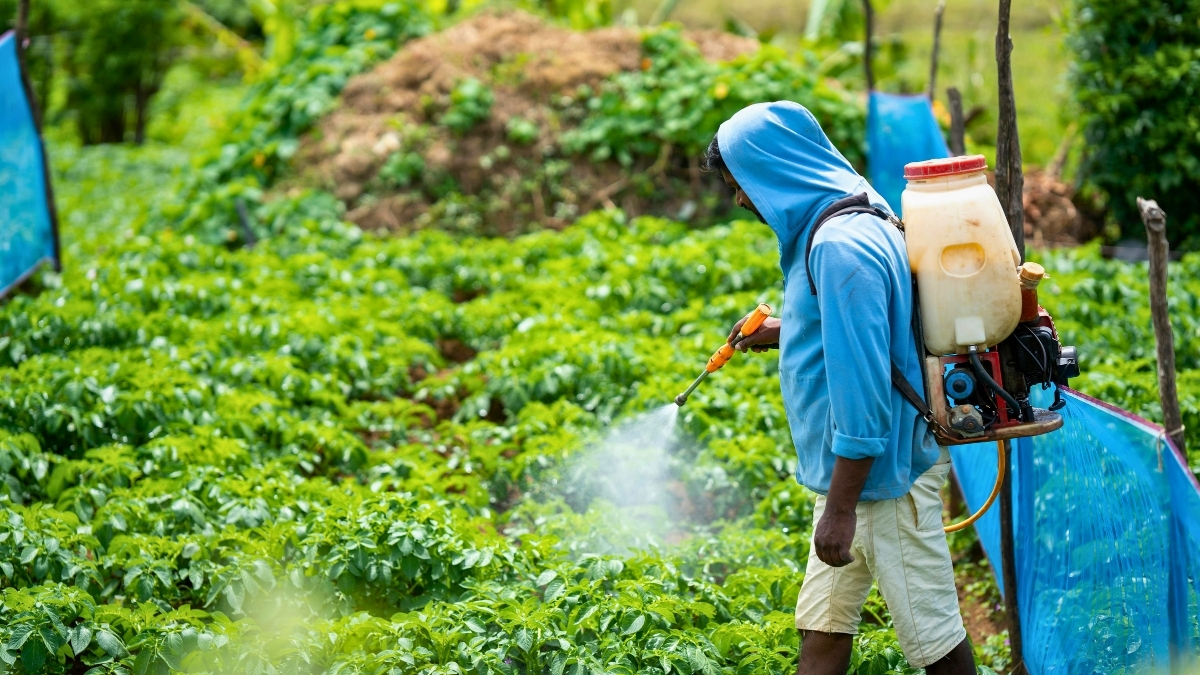
Fertilizer Prices in India 2026
In the Fertilizers Urea prices are strictly controlled by the Central Government, prices for DAP and NPK are not controlled. The Government stabilizes prices for raw materials like sulfur and phosphoric acid. As of April 2026, the following are the average retail prices (MRP) per bag:
| Fertilizer Type | Pack Size | Official MRP (Approx.) |
| Urea (Neem Coated) | 45 kg | ₹242 |
| DAP (Di-Ammonium Phosphate) | 50 kg | ₹1,350 |
| MOP (Muriate of Potash) | 50 kg | ₹1,710 |
| NPK (12:32:16) | 50 kg | ₹1,711 |
| NPK (10:26:26) | 50 kg | ₹1,814 |
Fertilizer Subsidies in India
The Indian government spends billions annually to ensure that international price hikes do not burn a hole in the farmer's pocket. Here are the following subsidies provided by the government
Nutrient Based Subsidy (NBS):
Nutrient Based Subsidy (NBS) provided for P&K fertilizers, the government gives a fixed subsidy based on the nutrient content (N, P, K, and S) for the Kharif 2026 season. The Union Cabinet recently approved a massive subsidy of ₹37,952 crore, about ₹736 crore higher than the budgetary requirement for the Kharif 2025 season.
Direct Benefit Transfer (DBT):
DBT is a subsidy that is not given to the farmer's bank account. Instead, it is paid to the fertilizer companies only after the farmer buys the bag using an Aadhaar-authenticated Point of Sale (PoS) device. This ensures the benefit reaches the actual tiller and prevents black marketing.
Major Government Fertilizer Schemes, 2026
PM-PRANAM
The PM Programme for Restoration, Awareness, Nourishment, and Amelioration of Mother Earth( PM-PRANAM) is the flagship initiative for 2026. It aims to reduce the chemical fertilizer burden. If a State reduces its chemical fertilizer consumption compared to previous years, 50% of the saved subsidy is given back to that State as a grant to build bio-fertilizer units.
Nano Fertilizer Revolution
The government is promoting Nano Urea and Nano DAP to reduce the traditional use of Urea, nano technology is easier to transport, reduces soil pollution, and has a much higher absorption rate (80% compared to 30-40% for granules).
Soil Health Card (SHC)
Under the Soil Health Card scheme, farmers receive a report card of their soil's health every two years. It tells them exactly which nutrients are missing, preventing the common mistake of over-applying Urea when the soil might actually need Zinc or Boron.