What Is the Fear of Spiders Called?
Discover what the fear of spiders is called, what the name means, where it comes from, and key facts about arachnophobia, one of the world's most recognized phobias.
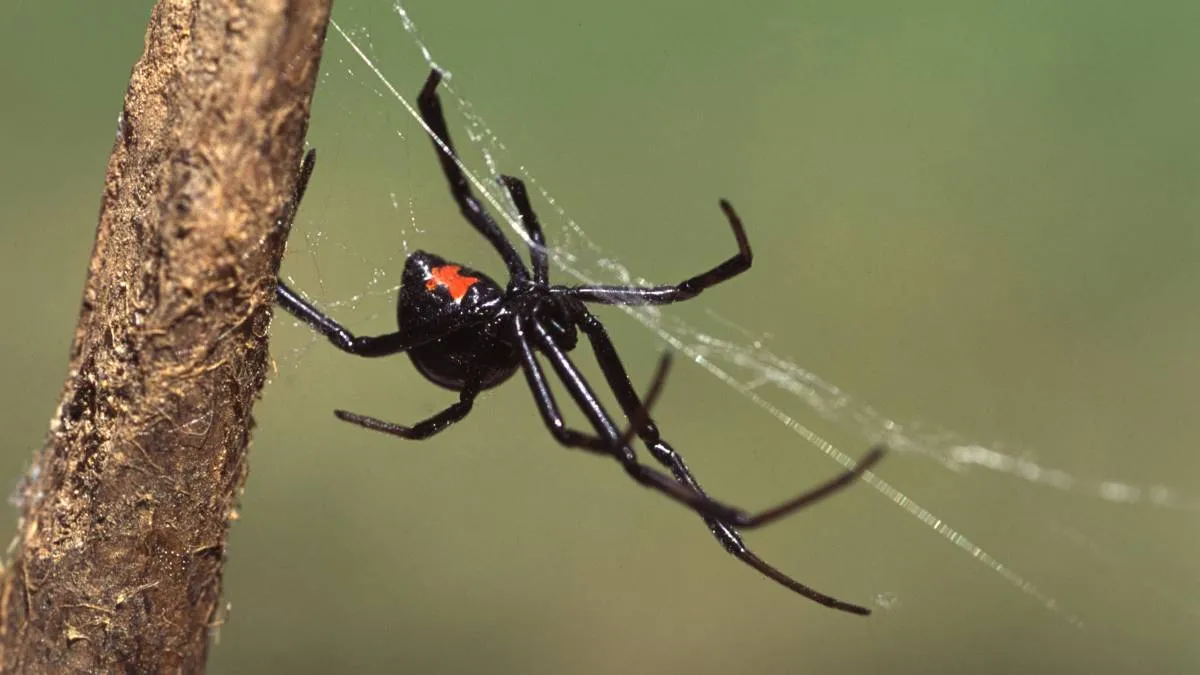
The phobia of spiders is known as arachnophobia (uh-RAK-noh-FOH-bee-uh). The term is constructed using two old Greek words: arachne, which translates to spider, and phobos, which translates to fear or dread.
Arachnophobia is a clinically established specific phobia that is perfectly demonstrated by a constant, deep and irrational fear response on the presence of spiders or the possibility of their presence.
It is a formally accepted specific phobia as noted in the DSM-5 of the American Psychiatric Association as the Animal subtype. It is estimated that the prevalence of this specific phobia is about 3.5 per cent to 6.1 per cent of the world population at a clinically significant level making it among the most widespread specific phobias in the world.
Ordinary stimuli may be the look, the closeness, the visualization or imagined presence of spiders. There are closely allied phobias, such as entomophobia (fear of insects) and zoophobia (fear of animals in general). Arachnophobia refers to one of the most researched and highly familiar specific phobias in clinical psychology.

Source: NotebookLM
History behind Arachnophobia
The medical term of fear of spiders dates back to an ancient Greek mythical creature a mortal weaver who is called Arachne and was transformed into a spider by the Greek goddess Athena. That one mythical name has since provided the world with not only a scientific name of the type of creature which contains spiders, but also the formal clinical term of one of the most widespread of the specific phobias of the globe.
What are the characteristics of Arachnophobia?
In clinical usage the phobia is not merely a deep dislike or increased sensitivity of care. A specific phobia according to the DSM-5 (Diagnostic and Statistical Manual of Mental Disorders, Fifth Edition), is characterized by a strong and enduring fear or anxiety of a particular object or situation. The fear reaction is unreasonable and unproportional to the real danger that the object poses. Spiders are that object in arachnophobia.
The arachnophobic fear is involuntary and instant. It does not need to be in direct contact with a spider to be activated. It can be provoked in most instances by pictures of spiders, a description in writing or the presence of a spider web or simply an understanding that spiders may exist in a certain area.
Common triggers of Arachnophobia
Some of the common triggers that have been recorded in connection with arachnophobia are as follows:
1. Physical contact with a spider, any species, no matter the size.
2. Contact with a spider web without any spider.
3. Photos, drawings or film of spiders.
4. Reading or listening to elaborate accounts about spiders.
5. Venturing into areas that are believed to harbor spiders e.g. basements, attics or outdoor areas with heavy vegetation cover.
How arachnophobia differs from a general dislike of spiders
The fear of spiders is not synonymous to arachnophobia. Most individuals do not like spiders and they do not want to come across them. This is a quite normal human reaction and is not a clinical phobia.
There are three main factors that characterize arachnophobia, and they are the same considerations the DSM-5 utilizes in defining a particular phobia.
First, the fear is long-lasting and has occurred over a long duration (six months or more).
Second, the fear is extreme in relation to the actual threat, frequently extending to the species that are harmless.
Third, the fear leads to clinically significant distress or causes the person to change his/her behavior in a manner that affects the functioning in day-to-day activities.
When the three of these conditions are combined, a general aversion turns out to be a specific phobia.
Check out some more interesting articles from the general knowledge section to boost your knowledge of national and international topics. Stay connected with Jagran Josh for more topics like this.
ALSO READ:

Mriganka Chakraborty is a seasoned digital journalist and communications professional who is currently working as Deputy Manager at Jagran Josh, where he leads the General Knowledge Section. As a subject matter expert with 8+ years of editorial experience, he has created authoritative content that is trusted by millions of readers around the world in Science, History, Geography, Polity, Economy, Sports, and Technology. His extensive expertise in these subjects enables him to present complex topics in an engaging, accurate, and reader-friendly manner to a global audience, making learning addictive and fun.
His background in a wide range of content areas and his ability to move between them make him a trusted voice to readers who want reliable, well-researched content across a variety of disciplines.
In his leisure time, Mriganka enjoys reading fiction novels and watching action and thriller movies, and cricket, which not only hone his storytelling skills but also keep his editorial vision fresh and dynamic.

-1784966839522_t.webp)


-1784961643899_t.webp)


![Kerala SAY +2 Result 2026 LIVE: [Link Active] Class 12 HSE Marks Memo Released; Check School-Wise Results at results.kite.kerala.gov.in](https://img.jagranjosh.com/images/2026/July/2572026/Kerala+2SAYResult2026out.png)