Borjuli Wetland: Assam's Newest Biodiversity Heritage Site for Wild Rice Conservation
Assam Borjuli Wetland has notified as Biodiversity Heritage site. Read more about the Borjuli Wetland and why it is famous?
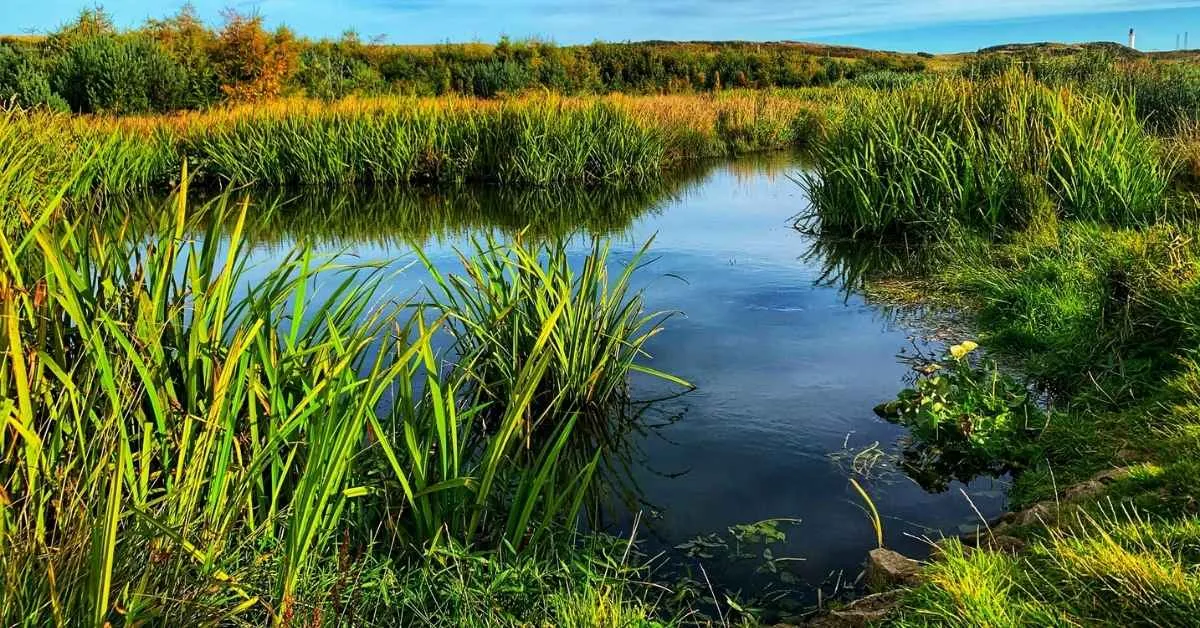
The National Biodiversity Authority (NBA) has officially notified the Borjuli Wetland in Assam’s Sonitpur district as India’s newest Biodiversity Heritage site. The island is famous for its rice preservation and environmental conservation.
Borjuli Wild Rice Wetland
Borjuli Wetland is a small island of 0.41 hectares which is located in Sonipur district of Assam. The island is famous for cultivation of Oryza rufipogon. Oryza rufipogon is a wild ancestor and progenitor of modern cultivated rice (Oryza Sativa).
Oryza Rufipogon Rice
This variety of rice have traits to climate change resilience. It is naturally tolerant to extreme flooding, prolonged waterlogging and acidic soil. It is resistant to common agricultural pests and crop diseases.
The rice also capable of surviving in various climatic conditions, soil and water conditions where other rice varieties fails.
By preserving the genes of wild rice variety of rice scientists can develop climate resistant, high yielding and nutritionalli rice crop varities.
The National Rainfed Area Authority (NRAA) under the Ministry of Agriculture and Farmers Welfare also launched in-situ conservation and management of wild Rice (Oryza rufipogon) in Sonitpur District of Assam.
It was implemented by the ICAR–National Bureau of Plant Genetic Resources (ICAR-NBPGR) in collaboration with Assam State Biodiversity Board.
Biodiversity Heritage Sites
Biodiversity Heritage Sites are geographic areas that are unique and ecologically sensitive ecosystems. They have high richness of wild and endemic species (species found nowhere else) and the presence of rare, threatened or evolutionarily important species
The state governments can notify any sites under Section 37 of the Biological Diversity Act, 2002. It is aim to protect these areas from degradation while promoting biodiversity and community-based conservation without impacting the livelihoods of locals.
Assam now has 3 Biodiversity Heritage Sites including the Borjuli wild rice other are
Majuli Biodiversity Heritage Sites
Majuli heritage site is located in the Majuli district of Assam. It is the world's largest river island located on the Brahmaputra River. It is famous for its wetlands (beels), swamps, and agricultural lands.
It is a critical habitat for numerous endemic and migratory avian species, local fish and distinct flora. Majuli is unique because it integrates remarkable agro-biodiversity with centuries-old Neo-Vaishnavite cultural heritage.
Hajong Tortoise Lake Biodiversity Heritage Sites
It is located in the Dima Hasao district of Assam. It is a high-altitude freshwater lake. The lake is famously known as a natural sanctuary and critical breeding ground for rare and threatened freshwater turtle and tortoise species. The site is protected by the local Hajong community, who consider the tortoises sacred.

Manisha Waldia is a distinguished content strategist with 5 years of experience crafting premium educational content for UPSC and State PCS, with a focus on deep conceptual analysis across Polity, Geography, History, and Environment. She currently brings this expertise to Jagran Josh, where she covers major national and international events, current affairs, and static general knowledge. Over her career, Manisha's specialized insights have led her to curate high-impact materials and serve as a UPSC Mains answer-evaluator for India’s top institutes—including Drishti IAS, Shubhra Ranjan IAS, Study IQ, GS Score, and PWonlyIAS. She has also worked alongside leading NGOs like Oxfam India and Avani Kumaon.
Contact: manisha.waldia@jagrannewmedia.com


-1783158109458_t.webp)