US Proposes $103,265 H-1B Visa Fee: How It May Impact Indian Students


The US Department of Homeland Security has proposed a $103,265 fee for H-1B cap-subject petitions, including those eligible for the advanced degree exemption. The proposed fee, if implemented, may affect Indian students studying in the US or planning to study.
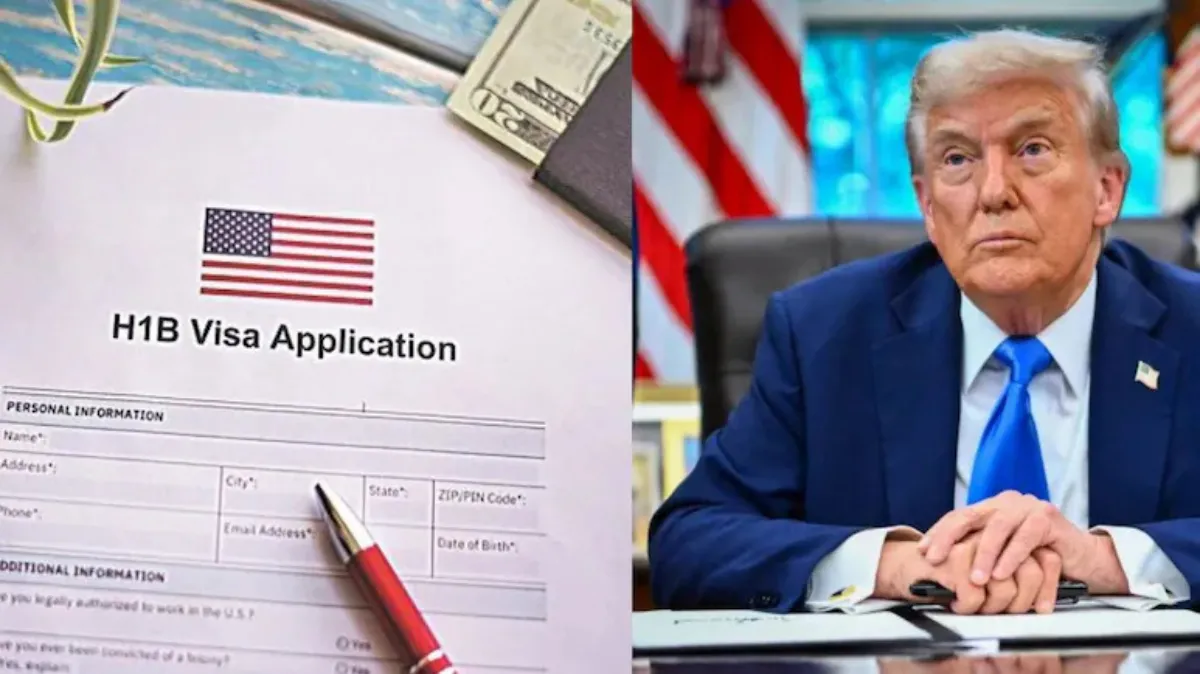
The United States (US) Department of Homeland Security (DHS) has proposed a $103,265 fee for all H-1B cap-subject petitions, including those eligible for the advanced degree exemption. The proposed fee would be paid at the time of filing and would be imposed in addition to all other applicable fees or payments.
The proposal covers H-1B petitions subject to the annual cap. The H-1B programme is limited to 65,000 visas annually, with an additional 20,000 slots for individuals who have earned a master’s degree or higher from a US institution of higher education.
Why Has The US Proposed The $103,265 H-1B Fee?
According to DHS, the proposed fee is intended to recover a portion of the federal government’s costs associated with administering the lawful immigration system. These costs include the adjudication of immigration benefits, fraud detection and national security vetting, systems modernisation, records and fee collection operations, immigration court operations, consular visa processing, labour standards enforcement and interagency coordination.
DHS estimates that the proposed fee could generate approximately $8.8 billion annually, based on a projected annual volume of 85,000 H-1B cap-subject petitions.
“The proposed H-1B fee is intended to recover the costs incurred across the federal government to adjudicate, vet, and support lawful immigration programs that otherwise must be funded by taxpayers,” said U.S. Citizenship and Immigration Services spokesperson Zach Kahler.
The DHS issued the proposed rule on August 24 and is inviting public comments for 30 days.
How May The Proposed H-1B Fee Impact Indian Students?
The proposed fee could have implications for Indian students planning to pursue higher education in the US, particularly those who intend to remain in the country and seek employment after completing their studies.
Indian students often use the Optional Practical Training (OPT) route after graduation before potentially transitioning to an H-1B visa through an employer. Since the proposed $103,265 charge would apply to cap-subject H-1B petitions, employers may face significantly higher costs when sponsoring eligible international graduates. This could potentially make some employers more cautious about sponsoring international students for H-1B positions.
For Indian students, the proposal could make the transition from US education to employment more uncertain if employers factor the substantially higher sponsorship cost into their hiring decisions. However, the fee is currently a proposal, and its final implementation and scope will depend on the outcome of the rulemaking process.
Students should therefore distinguish between the proposed H-1B fee and other US visa or immigration-related changes, as they may have different eligibility requirements and timelines.
The impact could be particularly relevant for Indian students because Indians account for a substantial share of H-1B beneficiaries. According to US Citizenship and Immigration Services data, Indian nationals accounted for 71% of approved H-1B petitions in 2024.
The proposal comes amid broader concerns among international students about changes and delays affecting the US visa process. Reports have also indicated a 15 per cent decline in applications from Indian students amid visa delays and uncertainty surrounding H-1B policies.
Who Will Not Be Subject To The Proposed H-1B Fee?
The proposed fee would not apply to H-1B petitions that are not subject to the annual cap. According to DHS, this includes petitions filed by certain:
- Nonprofit research organisations
- Governmental research organisations
- Institutions of higher education
Therefore, the $103,265 proposed fee should not be described as a charge applicable to every H-1B visa or every H-1B holder. Its application depends on whether the petition is subject to the H-1B cap.
Sahil Behl is an education journalist at Jagran with over a year of experience in journalism. Prior to joining Jagran, he worked as a Sub-Editor in NDTV's Education department, where he was responsible for writing and editing education-related content as well as managing the department's social media presence. At Jagran, he covers a wide range of education topics, including board examinations, school updates, admissions, and job notifications, while leveraging his editorial expertise and strong understanding of digital content strategy.
Sahil holds a Bachelor's degree in Business Administration and has also completed an eight-month certification program in Data Science. Passionate about emerging technologies, particularly artificial intelligence, he closely tracks their growing role in journalism and explores how they are transforming shaping the future of the media industry.


