

Show Key Points
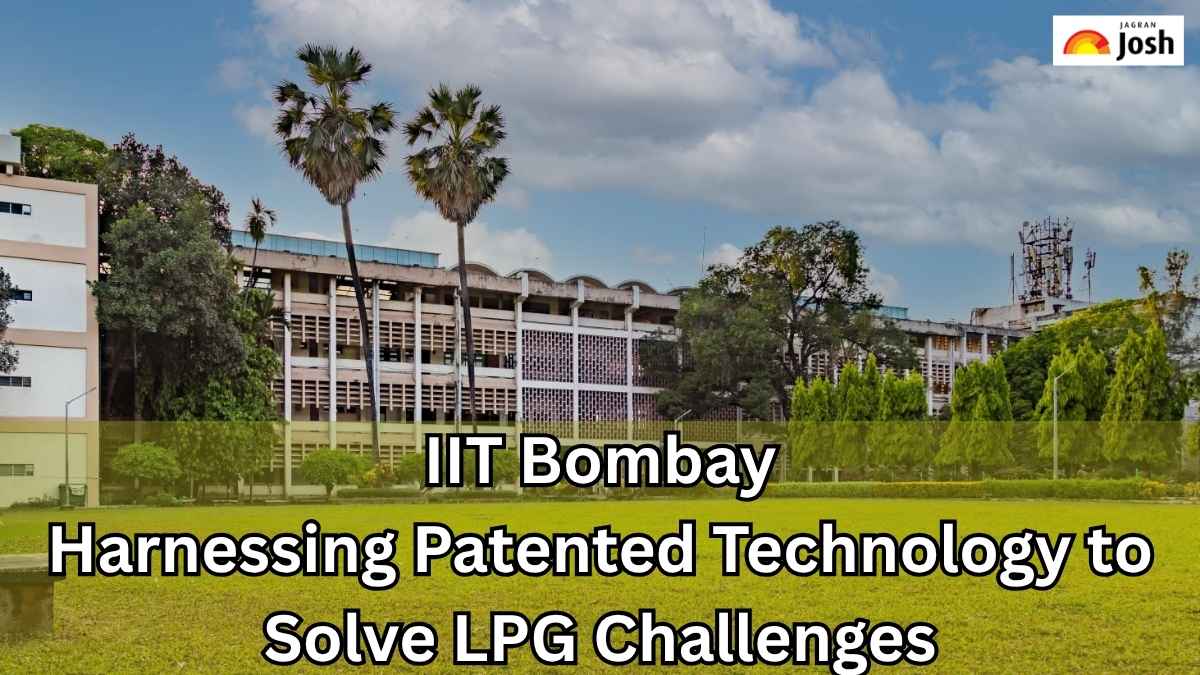
IIT Bombay: As global fuel prices fluctuate and urban centres face the threat of LPG shortages, the Indian Institute of Technology, IIT Bombay, has emerged as a model of self-reliance. The institute has successfully shielded its campus kitchens from gas crises by deploying a patented biomass gasification technology that converts dry leaf waste into efficient cooking fuel. The innovation is the culmination of a decade-long research journey led by Professor Sanjay Mahajani of the Department of Chemical Engineering. What began in 2014 as a solution to the campus’s massive dry leaf disposal problem has evolved into a sophisticated energy alternative.
By 2016, the team successfully addressed the challenge of clinkers, solid residues that typically clog gasification systems, resulting in a patented gasifier design that is both practical and durable.
IIT Bombay: Implementation, Impact, and Future Scale
Further refined in collaboration with Professor Sandeep Kumar from the Department of Energy Science and Engineering, the technology was rigorously tested through the institute's Living Lab initiative. Today, the staff canteen utilises this system to reduce its LPG consumption by 30% to 40%, maintaining high thermal efficiency with minimal emissions. Beyond cost savings, the project significantly reduces the institute’s environmental footprint, cutting approximately eight tons of CO2 emissions annually.
Looking ahead, IIT Bombay plans to scale this innovation to hostel messes, potentially saving up to Rs. 50 lakh per year and curbing hundreds of tonnes of carbon emissions. The technology is designed for versatility, capable of processing various types of dry waste, making it a viable solution for industries and large-scale commercial kitchens seeking cleaner, cost-effective energy alternatives.
Also read, IIT Madras Launches New Research Centre for Spirituality and Science
As global fuel prices fluctuate and urban centres face the threat of LPG shortages, the Indian Institute of Technology, IIT Bombay, has emerged as a model of self-reliance. The institute has successfully shielded its campus kitchens from gas crises by deploying a patented biomass gasification technology that converts dry leaf waste into efficient cooking fuel. The innovation is the culmination of a decade-long research journey led by Professor Sanjay Mahajani of the Department of Chemical Engineering. What began in 2014 as a solution to the campus’s massive dry leaf disposal problem has evolved into a sophisticated energy alternative.
By 2016, the team successfully addressed the challenge of clinkers, solid residues that typically clog gasification systems, resulting in a patented gasifier design that is both practical and durable.
IIT Bombay: Implementation, Impact, and Future Scale
Further refined in collaboration with Professor Sandeep Kumar from the Department of Energy Science and Engineering, the technology was rigorously tested through the institute's Living Lab initiative. Today, the staff canteen utilises this system to reduce its LPG consumption by 30% to 40%, maintaining high thermal efficiency with minimal emissions. Beyond cost savings, the project significantly reduces the institute’s environmental footprint, cutting approximately eight tons of CO2 emissions annually.
Looking ahead, IIT Bombay plans to scale this innovation to hostel messes, potentially saving up to Rs. 50 lakh per year and curbing hundreds of tonnes of carbon emissions. The technology is designed for versatility, capable of processing various types of dry waste, making it a viable solution for industries and large-scale commercial kitchens seeking cleaner, cost-effective energy alternatives.



Comments
All Comments (0)
Join the conversation