Sugar to Ethanol: Where Does India's Sugarcane Actually Go?
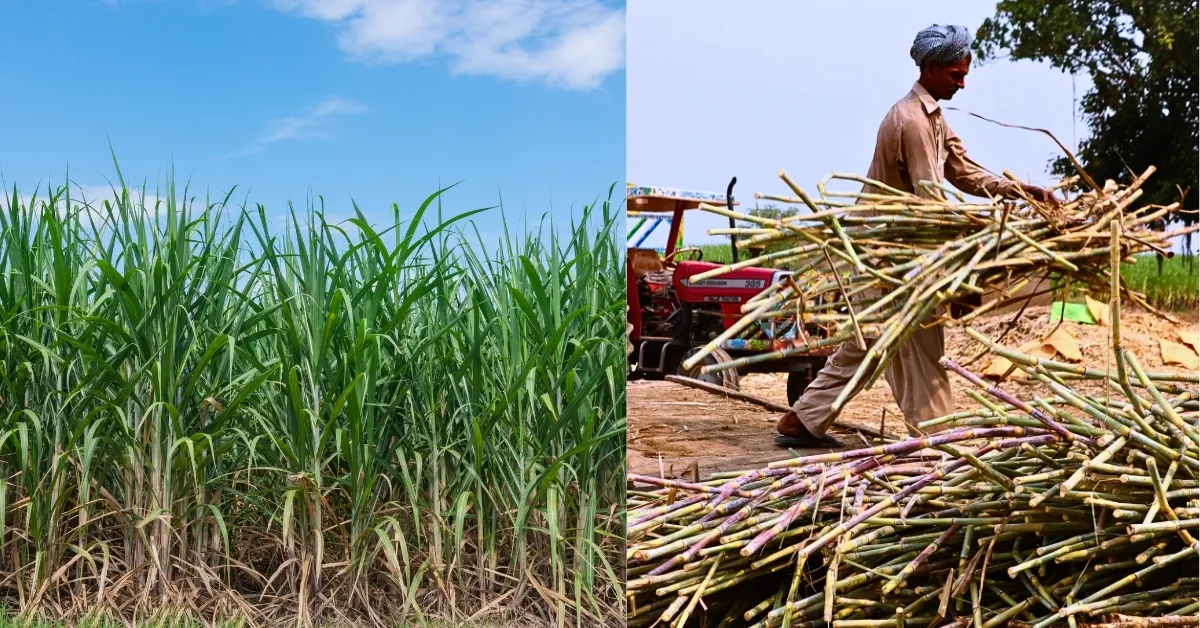
India's agricultural environment is experiencing unprecedented change. Following the conventional method from sugarcane to sugar with the passage of timewe see a major part of that process ending at another destination, which is fuel tanks.
The EBP (Ethanol Blended Petrol) program has placed India on an express route to achieving energy independence. With spikes in food prices in retail and food supply cycles taking precedence.It begs the question: What happens to the sugarcane in India?
The E20 Mandate and the Sugarcane-Ethanol Balance
India is the second-largest sugar producer in the world and one of the largest consumers of energy. To reduce the burden of high crude oil imports and curb carbon emissions. The central government has advanced its target of achieving 20% ethanol blending (E20) in petrol to the ethanol supply year (ESY) 2025-26.
To achieve this goal, the sugarcane industry is expected to play an significant role in contributing green energy. Sugar mills were encouraged to directly supply sugarcane juice, syrup and molasses to biofuel distilleries.
However, balancing the sweet cravings of over a billion population with aggressive green energy goals is a matter of fine tuning. As per the data released by the Ministry of Consumer Affairs, Food and Public Distribution. The share of sugar used for ethanol purposes has fluctuated according to crop yields.
-
At the peak diversion stage, a total of 12% of sugar production was diverted for ethanol purposes during the 2022-23 sugar season.
-
Recent Shift in Policy: In the 2025-26 season, the diverted share has reduced to 9%, indicating a restructuring of the sugar diversion system to guarantee a safety net for domestic supply.
Sugarcane has a crucial role to play in the biofuel industry and the government is making sure that diversion limits are regularly checked so that sugar can be made available all year round at regulated prices.
Sugarcane to Ethanol Data: Where Does India's Crop Actually Go?
To understand the macro-journey of India’s sugarcane, agricultural economists look at how the harvested crop translates into processed commodities.
| Utilization Pathway | Estimated Share / Trend | Impact |
| Direct Sugar Production | 70% to 75% of net output | Feeds domestic households, bakeries and commercial food processors. |
| Ethanol Diversion (Sugarcane-based) | 9% (recent seasons) | Processed via heavy molasses, syrup or direct cane juice into fuel-grade ethanol. |
| Losses, Feed and Residue | Remainder | Bagasse (used for captive power generation in mills) and press mud (bio-compost). |
Why Grains Now Drive 75% of India's Ethanol Production
One of the biggest changes in terms of India's roadmap towards ethanol is the shift in feedstocks. The fact that it was immediately recognized that sugarcane, as the only raw material would put a strain on water availability and food sufficiency.
Thus, today nearly 75% of the ethanol production in India is made from grains, namely surplus corn and surplus rice.
Promotion of Corn: Various corn clusters have been made around existing grain-based distilleries through agricultural initiatives.
Utilization of Surplus Stocks of FCI: The government has at various points channeled surplus rice stocks into multi-feed distilleries, helping clear obsolete stockpiles of rice and stabilizing the supply of the green fuel.
This multi-feed concept acts as a buffer, as in cases where the sugarcane crop gets affected due to shortage of rain or crop disease, the grain-based distilleries can step in to keep production on track for the targeted 20% blending.
Economic Effects for Sugarcane: How Ethanol Boosts Sugar Mills and Farmer Incomes
The use of ethanol plants in sugar companies has improved the economic condition of the sugar industry especially in the top production regions like Maharashtra and Uttar Pradesh.
-
Faster payments to farmers: Sugar companies have a long history of accumulating huge financial debts to cane farmers when worldwide sugar prices are low. By selling ethanol, sugar companies have more cash in hand, allowing them to pay their debts to cane farmers more easily.
-
Revenue diversification: Sugar companies are not completely dependent on cyclical sugar prices anymore, as they can produce sugar and ethanol simultaneously as integrated bio-refineries.
India's transformation from "sugar bowl" to "bio-fuel hub" is an example of proper resource use. Sugarcane helps to produce green energy but the aim to use agricultural products in ethanol production will make it possible to create energy without harming food security.
With blending technologies being perfected, the sugarcane-ethanol production system will keep playing a key role in the rural economy and green future of India.

Manisha Waldia is a distinguished content strategist with 5 years of experience crafting premium educational content for UPSC and State PCS, with a focus on deep conceptual analysis across Polity, Geography, History, and Environment. She currently brings this expertise to Jagran Josh, where she covers major national and international events, current affairs, and static general knowledge. Over her career, Manisha's specialized insights have led her to curate high-impact materials and serve as a UPSC Mains answer-evaluator for India’s top institutes—including Drishti IAS, Shubhra Ranjan IAS, Study IQ, GS Score, and PWonlyIAS. She has also worked alongside leading NGOs like Oxfam India and Avani Kumaon.
Contact: manisha.waldia@jagrannewmedia.com