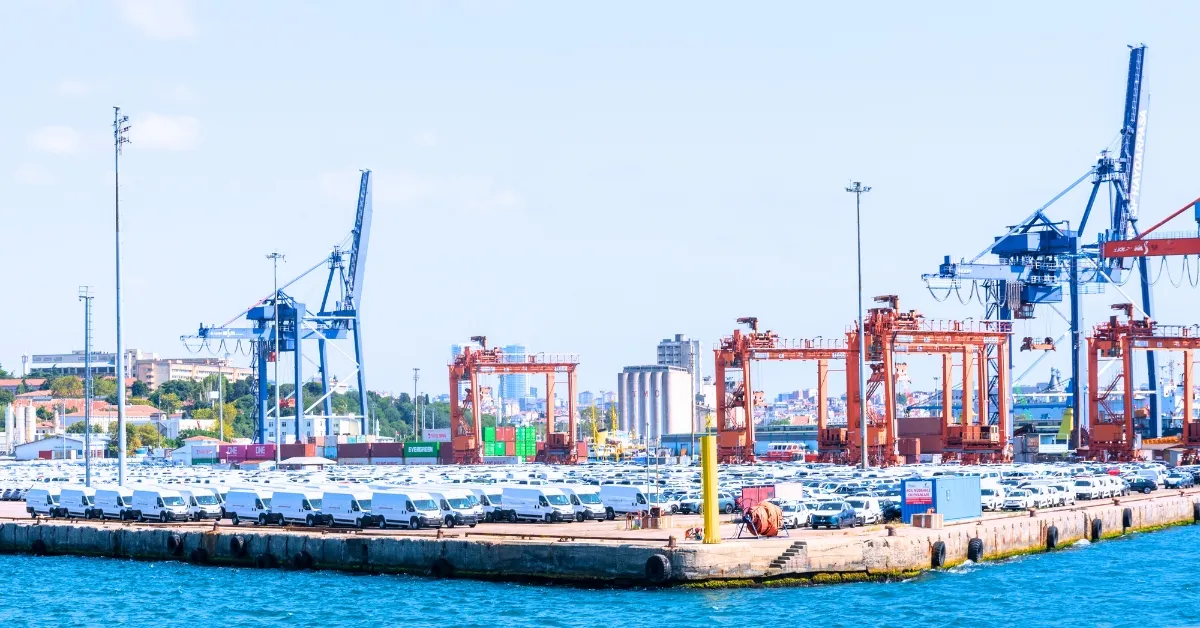
India has a vast coastline that stretches 11,098.81 km with many major ports in India that drive the nation's economy. These ports of India are vital because they handle over 90% of the country's trade by volume. The largest port in India is Mundra Port, known for its massive cargo capacity. Another key hub is Mumbai Port, often called the "Gateway of India". You might also know Kochi Port as the "Queen of the Arabian Sea". These hubs connect India to the world. In this article, we’ll take a look at the major indian seaports and their roles in the Indian economy.
ALSO READ: Which State has the Longest Coastline in India?
List of 13 Major Indian Sea Ports
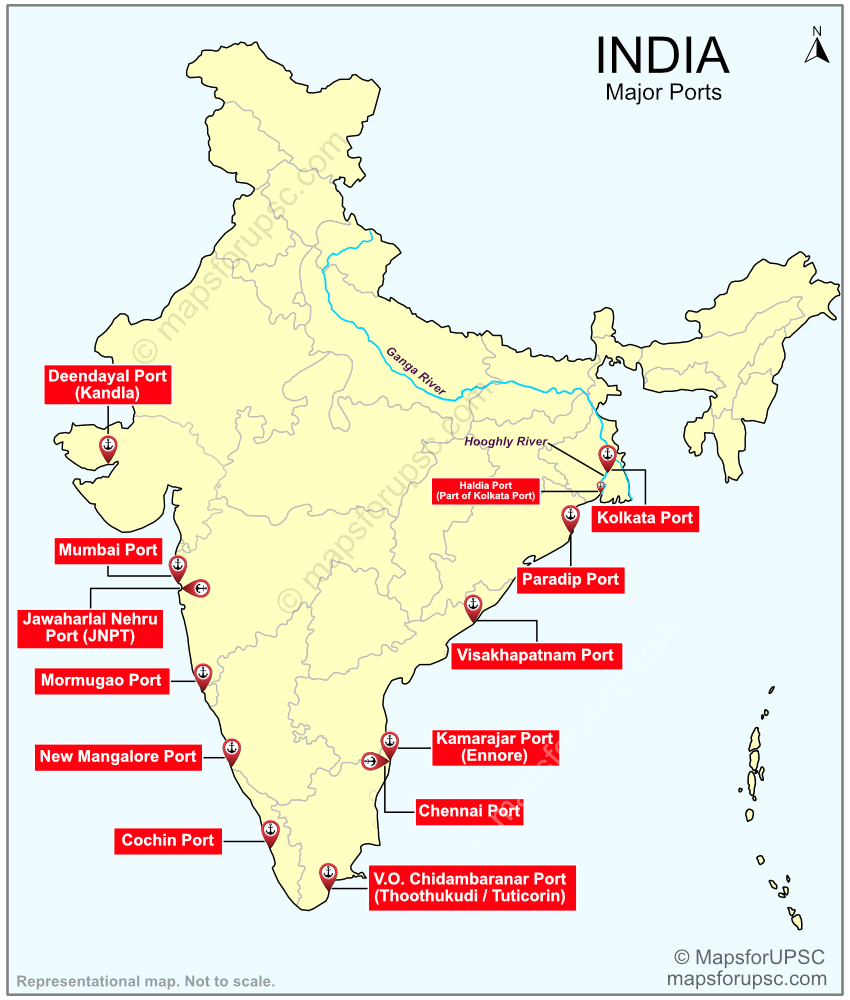
Source: MapsforUPSC
There are 13 major ports in India located throughout the country. These ports let ships bring goods in and out, helping India grow and connect with other countries.
| Port Name | Location (State) | Why is it important? | Also Known As |
| Deendayal Port | Gujarat | Handles the most cargo volume. | Kandla Port |
| Mumbai Port | Maharashtra | India's largest natural port. | Gateway of India |
| Jawaharlal Nehru Port | Maharashtra | The biggest container port in the country. | Nhava Sheva |
| Mormugao Port | Goa | Main port for exporting iron ore. | - |
| New Mangalore Port | Karnataka | Handles tea, coffee, and oil. | Gateway of Karnataka |
| Cochin Port | Kerala | Located on a beautiful natural harbour. | Queen of the Arabian Sea |
| V.O. Chidambaranar | Tamil Nadu | Important for trade with Sri Lanka. | Tuticorin Port |
| Chennai Port | Tamil Nadu | Largest port on the Bay of Bengal. | Gateway of South India |
| Kamarajar Port | Tamil Nadu | First major port run as a company. | Ennore Port |
| Visakhapatnam Port | Andhra Pradesh | Deepest and safest landlocked port. | Vizag Port |
| Paradip Port | Odisha | Key for coal and iron ore exports. | - |
| Syama Prasad Mookerjee | West Bengal | Only major riverine port in India. | Kolkata Port |
| Port Blair Port | Andaman & Nicobar | Strategic port for island security. | - |
1. Deendayal Port: Largest Sea Port in India
The port is in Gujarat and is the largest in India by the total weight of goods it handles. It supports Northern India by bringing in oil and sending out salt and textiles. Since it is a Trade Free Zone, businesses can use it at a low cost. This makes the port important for India's international trade.
2. Jawaharlal Nehru Port: Busiest Sea Port in India
JNPT is located near Mumbai and is the most modern port in India. It handles over half of the country’s container traffic, so many electronic goods, clothes, and car parts pass through here. The port uses advanced machines to move goods quickly and plays an important role in connecting India with Europe and America.
3. Visakhapatnam Port: Deepest Sea Port in India
This port in Andhra Pradesh is one of the deepest in India. Hills around it protect ships, so it stays safe even during storms. The port is important for exporting iron ore to Japan and also handles crude oil and coal, which support India's industries.
Recent Arrival of Gas and LPG Ships through the Strait of Hormuz
Two large Indian ships, Shivalik and Nanda Devi, recently completed an important trip. They transported a large supply of LPG (cooking gas) through the Strait of Hormuz, a region that has seen international tensions.
The arrival of these ships is good news for India, as it keeps the country’s gas supply secure. The government gave them priority berthing so they could dock and unload quickly. This helps make sure families across India have enough cooking gas.
Conclusion
In short, the major sea ports in India are the backbone of the nation's economy. From the busy container docks of JNPT to the deep waters of Visakhapatnam, each port has a special role. They help us get the things we need, like fuel and food, and help us sell Indian products to other countries.



Comments
All Comments (0)
Join the conversation