Show Key Points
A debate arose among fans over the controversial penalties awarded during a match between AFC Bournemouth and Manchester United, including two potential penalty decisions against Manchester United during that match that were not called.
Following this match, some fans were left feeling confused about the inconsistency of officiating in this high-stakes match and other matches like it, which will serve as a major talking point after the match.
In order to determine whether or not the referees made their original decisions, achieving consistency in these types of decisions must first be accomplished by breaking down all of the events leading to the incidents.
The applicable and absent rules involved in this match, how the officials apply these rules to the events as they actually transpired, and how all three apply to the events as they are called.
Check Out: Why Is Bill Murray Supporting UConn? March Madness Appearance Explained
Bournemouth Penalty: Foul on Dominic Solanke
At the crucial moment, Manchester United’s Dominic Solanke fell to the ground in the penalty area as a result of a tackle from one of their defenders, prompting the referee to call a penalty.
Based on sufficient contact causing Solanke to be impeded from controlling the ball, but even if the contact was not too impactful enough to break up his movement or create a chance to attack, it still met the definition of careless or mistimed contact under the laws of the game and therefore warranted a penalty for Bournemouth.
Manchester United Appeal: Rasmus Højlund Incident
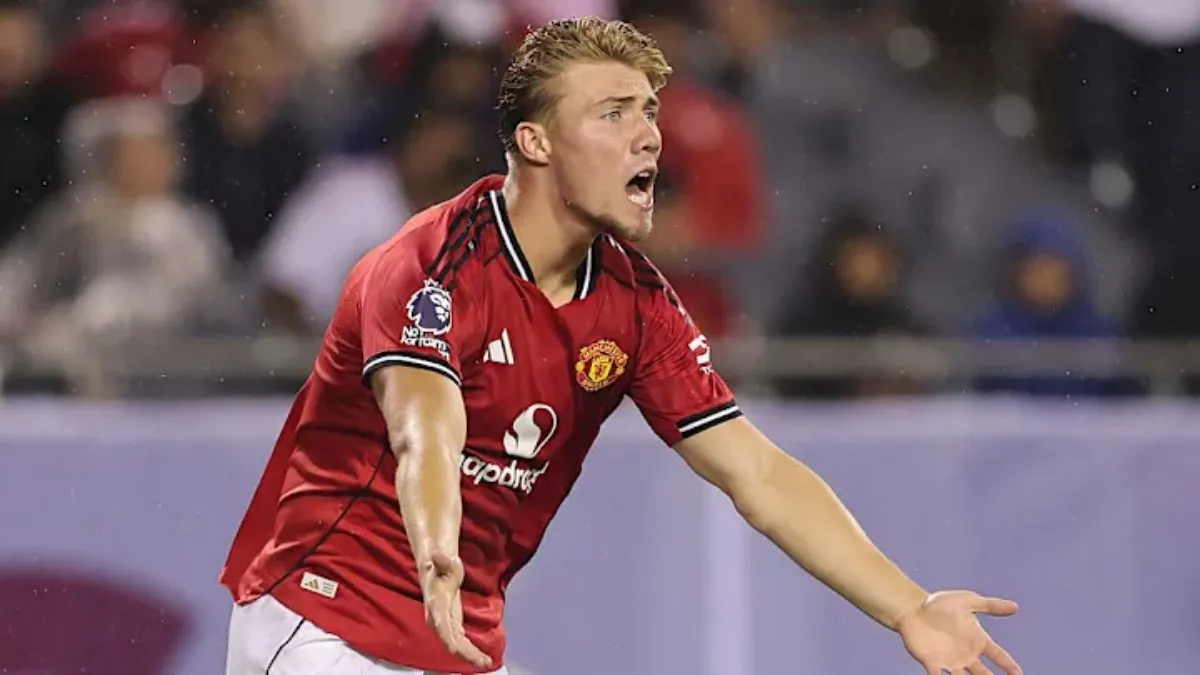
On the other hand, Manchester United believed their play to be compromised by a second incident involving their forward Rasmus Højlund: after contact was made with a Bournemouth defender, Højlund went down in the penalty area, yet play continued and was deemed not sufficient by the referee to warrant a foul.
In this situation, there was little impact by the defender or the contact was deemed to be intentional or no longer impactful (i.e., minimal impact).
In situations such as these, a referee’s interpretation of the contact they see, as well as any slight variation in the timing of the contact, can lead to two different outcomes.



-1774073028359_t.webp)
Comments
All Comments (0)
Join the conversation