Tiger Reserves in India: State-Wise List and Importance
Explore the complete state-wise list of Tiger Reserves in India, their significance, Project Tiger, conservation efforts, tiger population and fascinating wildlife facts.

India is the world’s most populous country for wild tigers and plays a vital role in global tiger conservation. Tiger is not only the national animal of India but also a part of the country’s ecological heritage. But in the 20th century tigers suffered a dramatic decline caused by habitat loss, poaching and human encroachment.
To face this challenge, the Government of India launched Project Tiger in 1973. The initiative aimed at protecting tiger habitat, increasing tiger populations and conserving biodiversity. Since then, India has set up several tiger reserves in different states. These reserves provide a secure environment for tigers and many other species of wildlife.
Today, India has over 50 tiger reserves in forests, grasslands, mangroves and mountainous regions. These protected areas are crucial to keeping the ecological balance and the survival of one of the world’s most iconic big cats.
What Is a Tiger Reserve?
Tiger Reserve is a protected area set aside for the conservation of tigers and their habitat. These reserves are managed as per the guidelines of the National Tiger Conservation Authority (NTCA). These are core areas where wildlife is strictly protected and buffer zones that support both conservation activities and local communities. Tiger reserves don’t just protect tigers but also leopards, elephants, deer, birds, reptiles and countless plant species. They are some of the most significant wildlife conservation areas in India.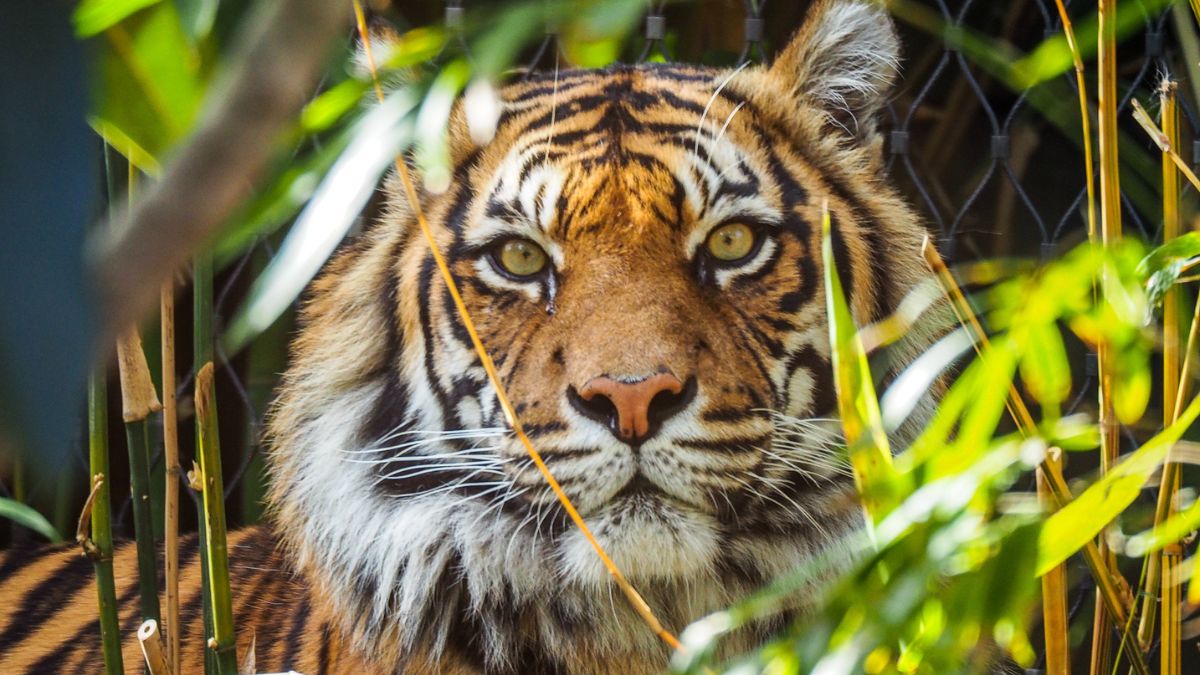
State-Wise List of Tiger Reserves in India
| State | Number of Reserves | Names of Tiger Reserves |
| Madhya Pradesh | 9 | Kanha, Pench (MP), Bandhavgarh, Panna, Satpura, Sanjay-Dubri, Veerangana Durgavati, Ratapani, Madhav |
| Maharashtra | 6 | Melghat, Tadoba-Andhari, Pench (MH), Sahyadri, Navegaon-Nagzira, Bor |
| Karnataka | 5 | Bandipur, Bhadra, Kali (Dandeli-Anshi), Nagarahole, Biligiri Ranganatha Temple (BRT) |
| Rajasthan | 5 | Ranthambore, Sariska, Mukundra Hills, Ramgarh Vishdhari, Dholpur-Karauli |
| Tamil Nadu | 5 | Kalakad-Mundanthurai, Anamalai, Mudumalai, Sathyamangalam, Srivilliputhur-Megamalai |
| Assam | 4 | Manas, Nameri, Kaziranga, Orang |
| Chhattisgarh | 4 | Indravati, Udanti-Sitanadi, Achanakmar, Guru Ghasidas-Tamor Pingla |
| Arunachal Pradesh | 3 | Namdapha, Pakke, Kamlang |
| Uttar Pradesh | 3 | Dudhwa, Pilibhit, Ranipur (Note: Amanagarh acts as a buffer zone for Corbett) |
| Kerala | 2 | Periyar, Parambikulam |
| Odisha | 2 | Similipal, Satkosia |
| Telangana | 2 | Amrabad, Kawal |
| Uttarakhand | 2 | Corbett, Rajaji |
| West Bengal | 2 | Sundarbans, Buxa |
| Andhra Pradesh | 1 | Nagarjunsagar-Srisailam |
| Bihar | 1 | Valmiki |
| Jharkhand | 1 | Palamau |
| Mizoram | 1 | Dampa |
| TOTAL | 58 |
|
State-Wise List of Tiger Reserves in India
Madhya Pradesh
Madhya Pradesh is known as the Tiger State of India and the state has the maximum number of tiger reserves in the country. These include Kanha, Bandhavgarh, Pench, Satpura, Panna, Sanjay-Dubri and Veerangana Durgavati Tiger Reserve. India has vast forest cover which provides ideal tiger habitat and contributes significantly to the tiger population.
Maharashtra
Some of the major tiger reserves in Maharashtra are Tadoba-Andhari, Melghat, Pench (Maharashtra), Sahyadri, Navegaon-Nagzira and Bor. Tadoba Andhari Tiger Reserve is particularly known for frequent sightings of Tigers and Wildlife Tourism.
Karnataka
Karnataka is one of the leading tiger conservation states in India and has Bandipur, Nagarhole, Kali, Bhadra and BRT Tiger Reserve. The state has consistently remained among the top in terms of tiger numbers.
Uttarakhand
Corbett and Rajaji Tiger Reserves are located in Uttarakhand. Corbett is India’s first national park and the first reserve brought under Project Tiger.
Rajasthan
Ranthambore, Sariska, Mukundra Hills and Ramgarh Vishdhari are tiger reserves of Rajasthan. Ranthambore is one of the most famous tiger reserves in the world, due to its historic ruins, and visible tiger population.
Assam
Kaziranga, Manas, Nameri and Orang are other important tiger reserves in Assam. These reserves are also famous for one horned rhinoceros and rich biodiversity.
Kerala
Periyar and Parambikulam are the tiger reserves of Kerala. These are located in the Western Ghats, one of the world’s biodiversity hot spots.
Tamil Nadu
Tamil Nadu has Mudumalai, Anamalai, Kalakad-Mundanthurai and Sathyamangalam Tiger Reserves. These forests are home to many species of wildlife.
West Bengal
West Bengal is home to the world’s largest mangrove forest and the famous Sundarbans Tiger Reserve which is home to the Royal Bengal Tiger who has adapted to the unique mangrove ecosystem.
Other States
Tiger reserves are located in the states of Andhra Pradesh, Telangana, Chhattisgarh, Bihar, Jharkhand, Odisha, Uttar Pradesh, Arunachal Pradesh and Mizoram.
Importance of Tiger Reserves
Tiger reserves are an important tool for conserving wildlife and ecosystems. Tigers are apex predators, meaning they sit at the top of the food chain. They help to control the population of their prey and maintain the ecological balance. Healthy tigers, healthy forests. Tiger conservation indirectly helps millions of people because forests provide clean air, water and climate regulation.
Interesting Facts About Tiger Reserves in India
India Has More Than 50 Tiger Reserves
India has one of the world’s largest wildlife conservation systems with a network of tiger reserves. These reserves are found in different landscapes and ecosystems.
Madhya Pradesh Is Called the Tiger State of India
The state has the maximum number of tiger reserves and continues to be one of the strongest bastion for wild tigers.
Corbett Was India’s First Tiger Reserve
With the setting up of Corbett Tiger Reserve in 1973 under Project Tiger, tiger conservation across the country began.
The Sundarbans Has Swimming Tigers
The Sundarbans is made up of mangrove forests in contrast to most tiger habitats where tigers are known to swim between islands.
India Hosts Most of the World’s Wild Tigers
India is home to more than 70% of the world’s tigers, making it crucial for the survival of the species.
Tigers Are Excellent Swimmers
Unlike many big cats, tigers enjoy water and can swim long distances when necessary.
Read more: 7 Plants That Are Found Only in India

Jasreet Kaur is a journalist with 3+ years of experience. Driven and committed, she writes on Trending News, covering both National and International topics. She has previously worked with Zee News as a content writer. Fueled by a desire to see positive growth in organizations, society, and the world.

-1780482348447_t.webp)

-1780473932336_t.webp)