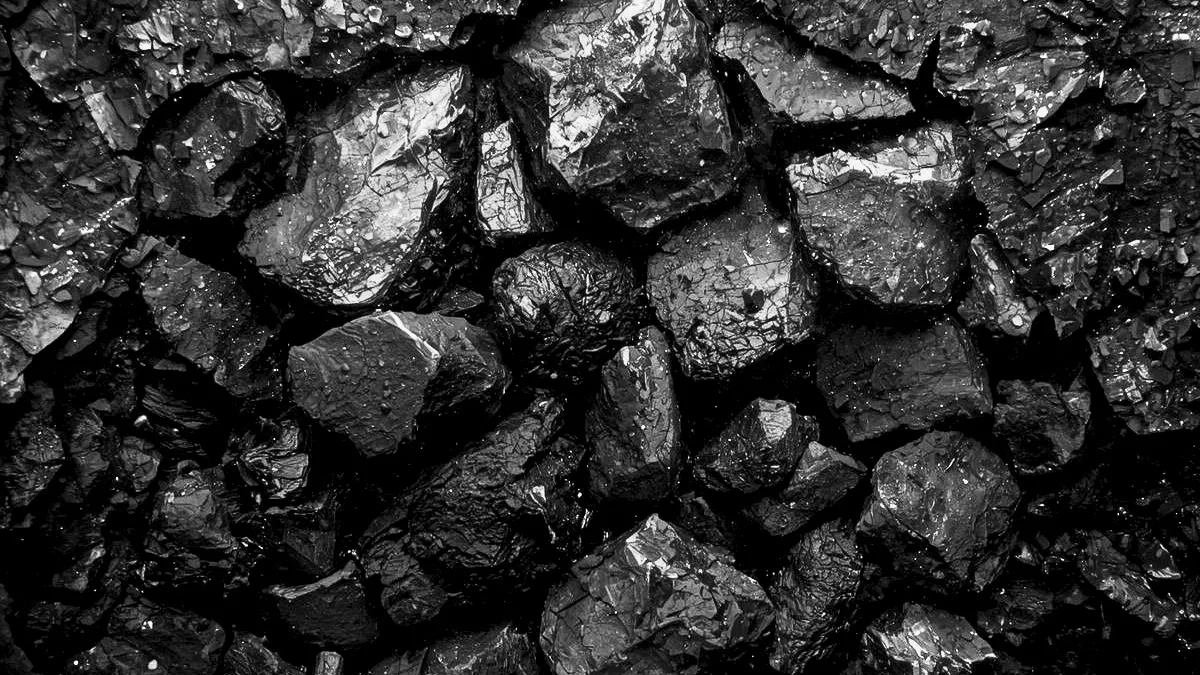
In the rapidly changing landscape of global energy, one resource remains a centerpiece of industrial power: coal. Despite the rise of renewables, coal continues to fuel massive portions of the global economy, particularly in the Asia-Pacific region. As we move through 2026, understanding which nations lead the charge in coal mining is essential for grasping the complexities of international trade, energy security, and environmental policy.
Which Country is the Largest Producer of Coal in the World?
China is the largest producer of coal in the world. In 2025 and moving into 2026, China’s coal production has reached historic highs, hovering around 4.8 billion tonnes annually. Its largest coal reserve is concentrated in Inner Mongolia and Xinjiang provinces.
China produces more coal than the rest of the world combined and China is also a world leader in installing wind and solar power. Coal remains the primary reliable source for China’s heavy manufacturing and steel industries.
2nd Largest Coal Producing Country in the world: India
India is the second coal producing country in the world with a goal of reaching 1.5 billion tonnes by 2030. The government of India is aggressively auctioning new mines and investing in Clean Coal technologies like Coal Gasification to power its massive population.
3rd largest Coal Producing Country in the World: Indonesia
Indonesia is known as the export house of coal although Indonesia ranks third in production. Its much of the coal produced here is shipped to fuel power plants in India and Southeast Asia.
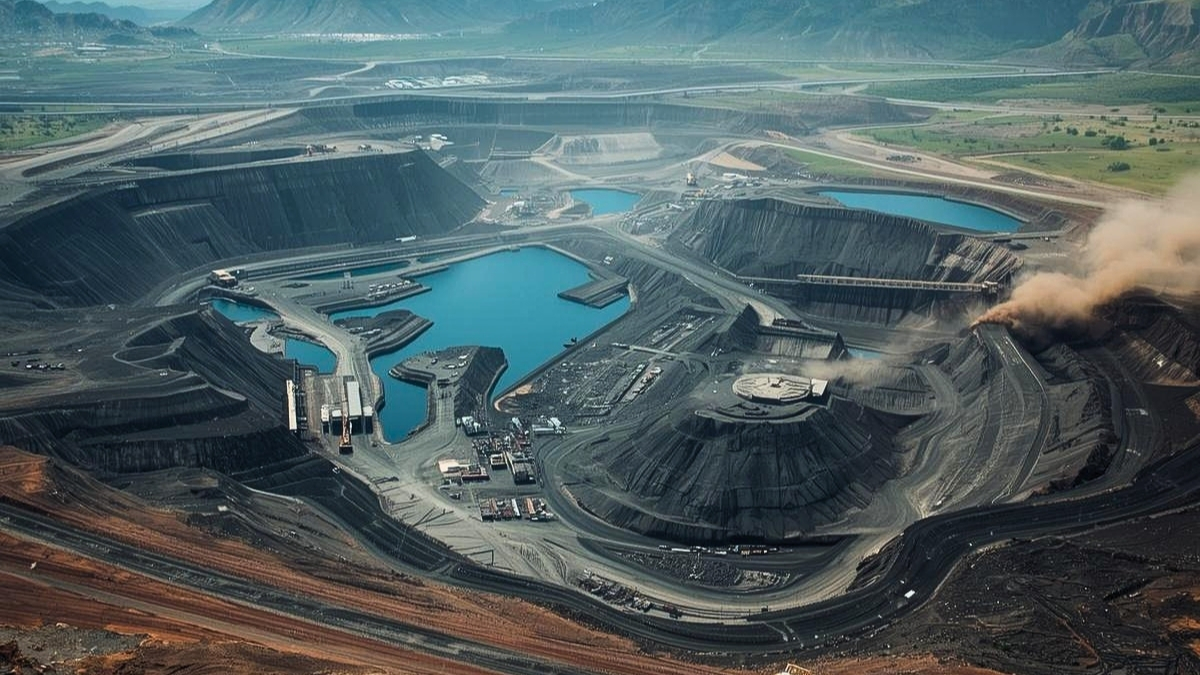
Top 10 Largest Coal Producers Countries in the World
While China holds the top spot, other nations are significant players. Here are the largest coal producing countries in the world
| Rank | Country | Annual Production (Approx. MT) | Primary Use / Market Role |
| 1 | China | 4,805 | World's largest consumer; fuels 58% of domestic power. |
| 2 | India | 1,085 | Rapidly expanding to reduce reliance on energy imports. |
| 3 | Indonesia | 836 | Global leader in coal exports, primarily to Asia. |
| 4 | United States | 465 | Production declined due to a shift toward natural gas. |
| 5 | Australia | 463 | Key exporter of high-quality metallurgical (steel) coal. |
| 6 | Russia | 427 | Significant producer, though facing export sanctions. |
| 7 | South Africa | 235 | Primary energy source for the African continent. |
| 8 | Kazakhstan | 113 | Major supplier for Central Asia and regional industry. |
| 9 | Mongolia | 106 | Rapidly growing production to feed Chinese demand. |
| 10 | Germany | 92 | Primarily lignite (brown coal) for domestic electricity. |
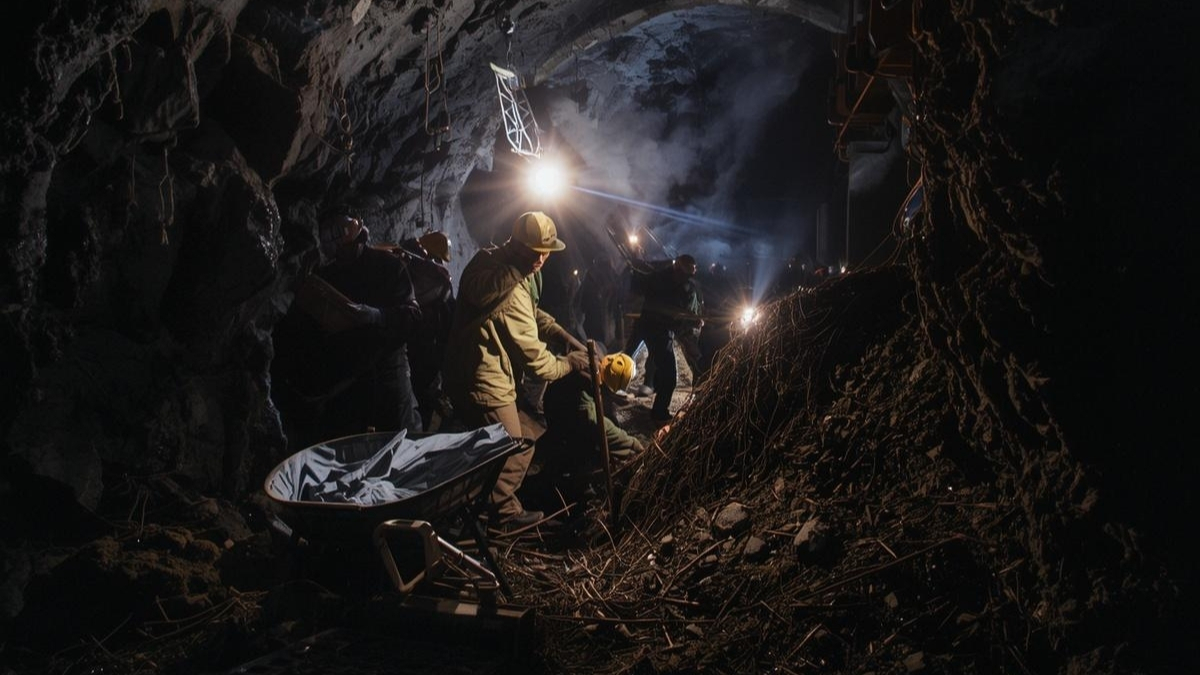
Significance of Coal in the 2026 Global Energy Market:
-
Energy Security and Reliability: In 2026, Coal will remain the primary source of power for major economies like China and India.
-
Coal provides a steady, 24/7 electricity supply, shielding nations from the price volatility of imported natural gas and ensuring grid stability during peak industrial demand.
-
Industrial Foundation for Infrastructure like metallurgical coal is an indispensable raw material for global steel and cement production.
-
Coal is the most affordable pathway to eliminate energy poverty for developing nations where coal acts as a critical economic bridge
-
Coal provides low-cost energy that fuels GDP growth.
This domestic availability reduces reliance on complex international supply chains and strengthens national economic resilience.
China continues to be the world's largest producer of coal, followed by India and Indonesia. As we look toward the future, the "Coal Plateau" is in sight, with demand expected to stabilize. However, for the foreseeable future, coal remains the backbone of global industrial growth.
Also Read: Which Country is the Largest Manufacturer of Semiconductors in the World?



Comments
All Comments (0)
Join the conversation