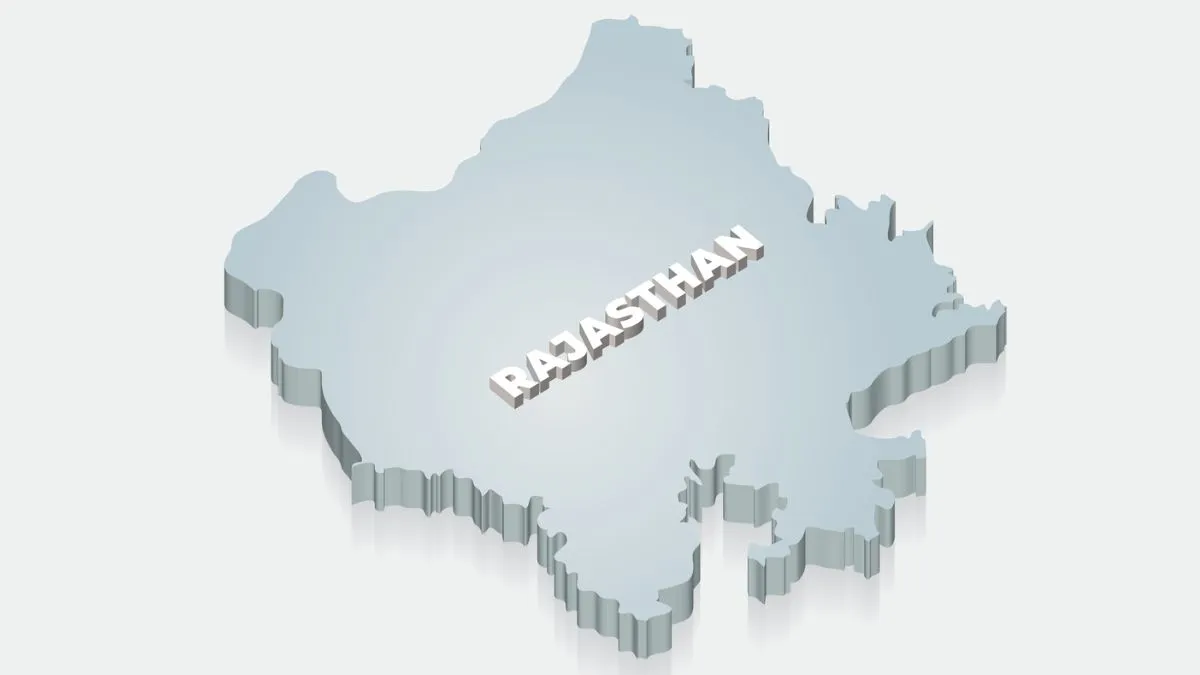
Rajasthan, which is the largest state of India by area, is famous for its royal history, desert lands and great forts. But how did Rajasthan get its name?
As we know, Rajasthan is renowned for its rich cultural heritage, places, and royal culture.
The name of Rajasthan is showing its deeply rooted culture and significance from ancient times
In this article, we will come to know how Rajasthan got its name, the meaning of Rajasthan, the historical origin of its name and key facts about Rajasthan.
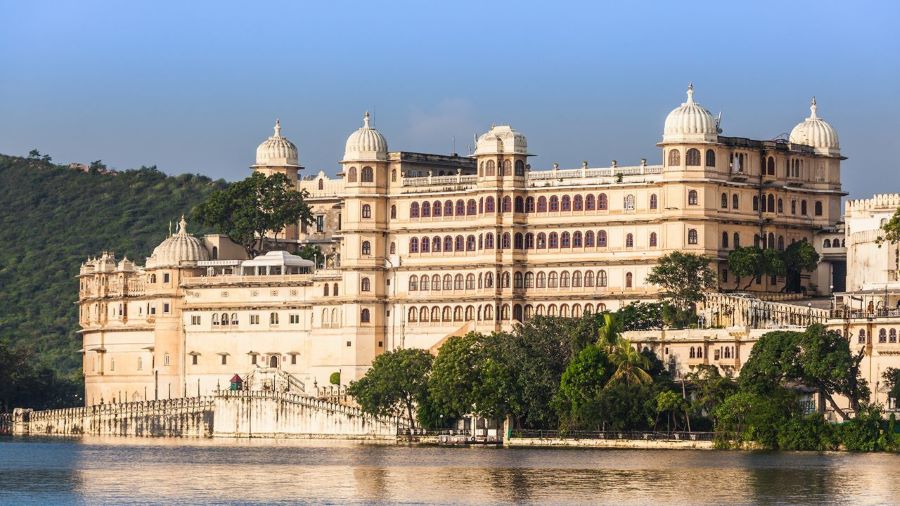
Source: Incredible India
What is the meaning of the Name “Rajasthan”?
The word Rajasthan is derived from two terms:
-
“Raj” or “Raja” – meaning king
-
“Sthan” – meaning place or land
By combining these two terms, the meaning of Rajasthan comes out as the “Land of Kings.”
This indicates that it was long under the governance of numerous great kings, princely states and families.
What is the historical Origin of the Name “Rajasthan”?
During the ancient and medieval times, the region was referred to as Rajputana, which means the place of the Rajput.
The term Rajasthan became widely known during the nineteenth century, particularly when a British historian known as Colonel James Tod applied the name in his book.
Rajasthan was first used in print in the year 1829 in Annals and Antiquities of Rajasthan.
In ancient and medieval times, the region was known as Rajputana, meaning land of the Rajputs.
The term “Rajasthan” gained popularity in the 19th century, especially through the works of British historian Colonel James Tod, who described the region using this name.
The first printed use of “Rajasthan” appeared in 1829 in Annals and Antiquities of Rajasthan.
When was the name of Rajasthan officially adopted?
According to the Rajasthan government educational records:
-
The modern state of Rajasthan was formed in 1949 after the integration of princely states.
-
After independence, the name “Rajasthan” was officially adopted, replacing “Rajputana.”
When did Rajasthan become a Union State of India?
Before 1947, this region consisted of multiple princely states and chiefships. During 1948–1949, these states were merged in phases into the Indian Union, and on 30 March 1949, Rajasthan officially became a unified state (celebrated as Rajasthan Day).
Location of Rajasthan
Rajasthan is located in northwestern India. The neighbouring states of Rajasthan are Punjab, Haryana, Uttar Pradesh, Madhya Pradesh, Gujarat, and Pakistan
The Thar Desert, also referred to as the Great Indian Desert, occupies a larger area of the state.
The Aravalli Range divides the Rajasthan state into the desert and semi-arid regions. It has been a trading centre, culture centre and battle centre due to its location.
What is the historical Significance of Rajasthan?
Rajasthan is an exhibit of various historical significance, including the Indus Valley Civilisation (Kalibangan site).
It is home to powerful kingdoms like Mewar, Marwar, Jaipur, and Bikaner. Known for bravery, architecture, and cultural richness.
Key Facts About Rajasthan
-
The largest state in India by area
-
Capital: Jaipur
-
Known as the “Land of Kings”
-
Famous for forts like Amber Fort, Mehrangarh, and City Palace
-
Rich in minerals and tourism heritage
-
Celebrates Rajasthan Day on 30 March
Why is the Name “Land of Kings” given to Rajasthan?
Rajasthan’s name truly represents its past:
-
Numerous royal kingdoms ruled the region
-
Strong tradition of valour, honour, and warrior culture
-
Magnificent palaces, forts, and heritage sites still exist
Conclusion
Rajasthan got its name from its deep-rooted royal history and the legacy of kings who ruled the region for centuries.
Derived from Sanskrit words meaning “Land of Kings,” the name became official after India’s independence in 1949, when princely states merged into a single state.
Today, Rajasthan stands as a living symbol of India’s royal past, cultural richness, and historical pride.



-1774252951362_t.webp)

Comments
All Comments (0)
Join the conversation