Show Key Points
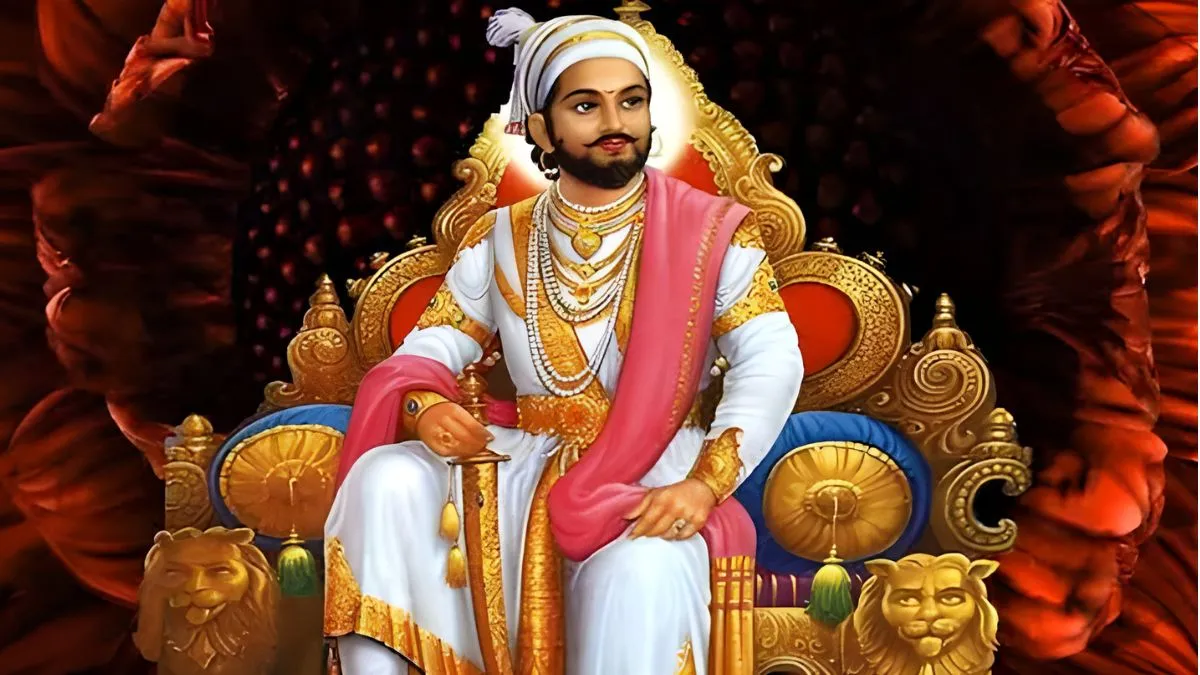
We celebrate Chhatrapati Shivaji Maharaj's birth anniversaryevery year on February 19th with a lot of respect. This year, on February 19, 2025, it marks his 396th birth anniversary.
He was a great ruler in the Maratha Empire and laid the foundation of self-rule, known as Hindavi Swarajya.
His life reflects his acts of courage, strategic thinking, administration, and great respect towards his people and culture.
On this occasion, Indian Prime Minister Narendra Modi also tweeted on Shivaji Maharaj's birth anniversary.
On the Jayanti of Chhatrapati Shivaji Maharaj, we bow in reverence to the visionary leader, exceptional administrator, strategic thinker and champion of Swarajya.
— Narendra Modi (@narendramodi) February 19, 2026
May his courage inspire us, his governance guide us and his spirit of justice and self-respect strengthen our… pic.twitter.com/A6wmEjMvGu
Who was Chhatrapati Shivaji Maharaj?
Chhatrapati Shivaji Maharaj was a visionary leader who established his independent kingdom at a time when the region of Deccan was under the control of the Bijapur Sultanate and the Mughal Empire, among other regional authorities. Born in the hill fort of Shivneri near Junnar in present-day Maharashtra, he belonged to the Bhonsle Maratha clan.
He was not only a fearless warrior but also a skilled administrator. Through strong determination and careful planning, he established a stable and progressive state that later grew into a powerful Maratha Empire.
What was his Early Life like?
Shivaji Maharaj was born to Shahaji Bhonsle, a Maratha general who served different Deccan sultanates, and Jijabai, a deeply religious and strong-willed woman, in the hill-fort of Shivneri near Junnar in present-day Maharashtra.
His mother has been instrumental in his character. She would tell him of the Ramayana and Mahabharata and inculcate in him the virtues of courage, justice, and devotion to the motherland.
Dadoji Kondadeo also led him and educated him in administration, as well as military talent and revenue. Shivaji exhibited leadership qualities and a high degree of independence even at a tender age.
He took over Torna Fort at the age of 16 years in 1646. This was the start of his crusade to the formation of an independent kingdom of Maratha.
List of Major Wars/Battles fought by Shivaji Maharaj
Here are some major wars/battles given, which were fought by Chhatrapati Shivaji Maharaj, with their year-wise, location, opponent, and outcomes of the wars.
| Year | Wars/ Battle | Location | Opponent | Outcome / Significance |
| 1646 | Capture of Torna Fort | Torna, Maharashtra | Bijapur Sultanate | First major fort captured; marked the beginning of Swarajya. |
| 1656 | Conquest of Javli | Satara region | Chandra Rao More | Secured strategic mountain valley; strengthened military base. |
| 1659 | Battle of Pratapgad | Pratapgad Fort | Afzal Khan (Bijapur) | Decisive victory; major turning point in Deccan politics. |
| 1659 | Battle of Kolhapur | Kolhapur | Bijapur Forces | Expanded Maratha dominance in southern Maharashtra. |
| 1661 | Battle of Umberkhind | Umberkhind Pass | Kartalab Khan (Mughals) | Successful guerrilla ambush in mountain terrain. |
| 1664 | Sack of Surat (First Raid) | Surat, Gujarat | Mughal Authorities | Major economic strike; strengthened Maratha treasury. |
| 1670 | Second Sack of Surat | Surat | Mughal Authorities | Further weakened Mughal authority in western India. |
| 1679 | Battle of Sangamner | Sangamner | Mughal Forces | Considered the last battle personally fought by Shivaji Maharaj. |
Source: IGNOU
How did Shivaji Maharaj fight his Wars?
Shivaji Maharaj is famous for his innovative military tactics, especially guerrilla warfare, known as Ganimi Kawa. He used the Western Ghats, which were hilly, forested, and fortified, to his advantage. He mastered the speed, the attack and the quick retreat strategy, which enabled him to overcome bigger and well-built armies.
Conflict with the Bijapur Sultanate
He began by capturing forts like Torna, Rajgad, Purandar, and Kondhana (Sinhagad). The Battle of Pratapgarh in 1659 against Afzal Khan was one of his first major victories, establishing his reputation as a powerful regional leader.
Conflict with the Mughal Empire
Shivaji Maharaj also fought against the Mughal Empire under Emperor Aurangzeb. He attacked Mughal territories, including the famous raid on Surat in 1664.
In 1665, after the Treaty of Purandar, he briefly accepted Mughal authority. However, his detention in Agra in 1666 and his daring escape demonstrated his intelligence and determination. After returning, he regained lost territories, including Sinhagad and other forts.
By the time of his death, he controlled around 240–280 forts, creating a strong defensive network across his kingdom.
What was his Administration and Governance like?
Shivaji Maharaj was a warrior with the skills of a ruler. He got crowned at Raigad Fort in 1674 and officially became the Chhatrapati (sovereign ruler).
He created the Ashta Pradhan, a group of eight ministers to rule various departments, including finances, army, foreign affairs, justice, and religion. This system guaranteed organised and effective governance.
He encouraged the use of the Marathi and the Sanskrit languages in administration and reduced the use of the Persian language in bureaucracy. His policies promoted trade and agriculture.
He also established a powerful naval force to facilitate the defence of the Konkan coast, which earned him several titles, including Father of the Indian Navy. His naval station at Sindhudurg was a great centre of marine defence.
Notably, he followed the policy of religious toleration. His army and administration included people of various communities, such as the Muslims and the Europeans. He gained a reputation as a respectful person who treated women and civilians with dignity when he was in military operations.
Why was he called Chhatrapati Shivaji Maharaj?
The title “Chhatrapati” means “supreme ruler” or “sovereign king.” Shivaji Maharaj was formally crowned as Chhatrapati on June 6, 1674, at Raigad Fort. This was the great assembly that made him an independent monarch and the official formation of the Maratha Empire.
The crowning was a sign of independence, with no longer an oppressive Mughal ruler and the achievement of autonomy. Since that time, he was called Chhatrapati Shivaji Maharaj, the title which shows not only the power but also the respect.
What is the Legacy of Chhatrapati Shivaji Maharaj?
The heritage of the Chhatrapati Shivaji Maharaj extends much beyond the warfare success. On this, he founded the great Maratha state, which was to be extended by his successors such as Sambhaji, Rajaram and the Peshwas.
He was an icon of resistance and pride in Maharashtra, most especially during the Indian independence movement. Millions of people are still motivated by his life because of his courage, leadership, and adherence to justice.
He is remembered as a king who made a perfect combination of daring and prudence, strength and justice and ambition and duty.
Conclusion
Chhatrapati Shivaji Maharaj, who was one of the most powerful and iconic leaders of the Maratha Empire in Indian history.
Every year, on February 19, whole nations celebrate his birth anniversary very proudly, as from the small region to powerful empires, he shows his leadership, innovative warfare, his efficient administration skills, and respect for all communities, showing his strength, powers, and responsibilities.
His life stands as a symbol of courage, vision, and unwavering dedication to the welfare of his people.


Comments
All Comments (0)
Join the conversation