From Vitamin A to K, Check the Chemical Names, Food Sources & Deficiency Matrix
Learn the chemical names, major food sources, functions, and deficiency diseases of vitamins A to K in an easy-to-understand table. This SSC Notes guide is useful for SSC, UPSC, Railway, Banking, State PSC, and other competitive exams.
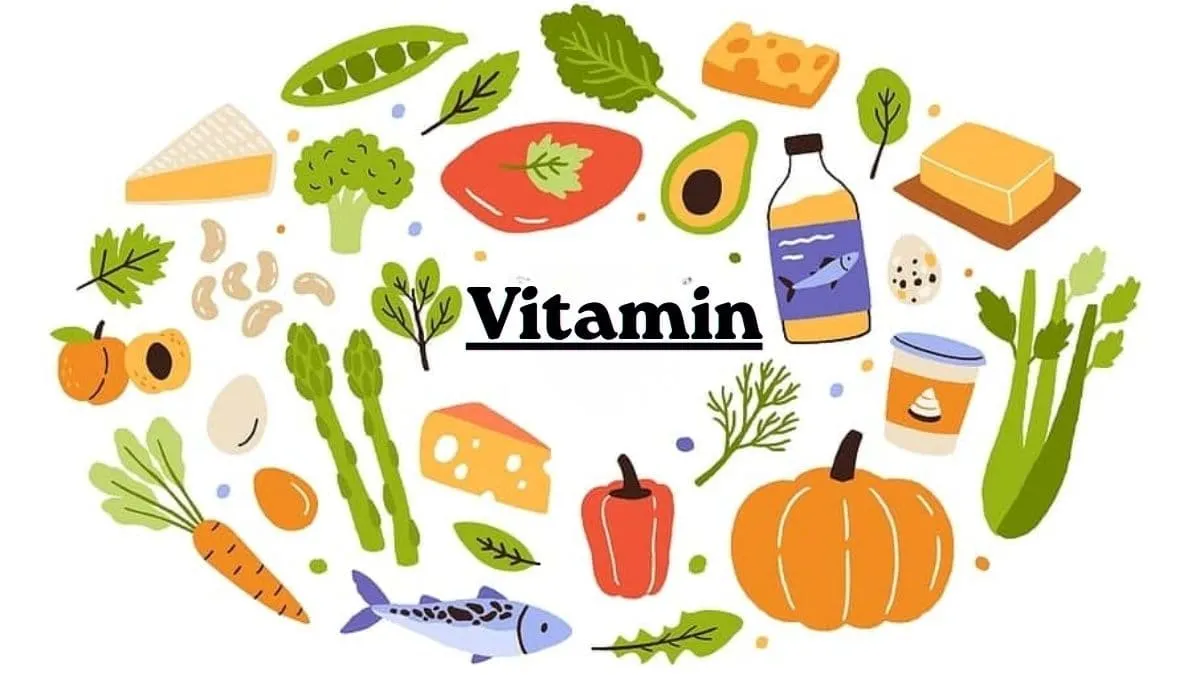
Vitamins are the organic nutrients that our body needs in small amounts to grow, develop, and function properly.
As per the NCERT, there are 9 essential vitamins in the human body, including Vitamin A, Vitamin B1, Vitamin B2, Vitamin B6, Vitamin B12, Vitamin C, Vitamin D, Vitamin E, and Vitamin K.
From vitamin A to K, they all have their own chemical name, their own natural sources, and their own deficiency diseases.
Students who are preparing for the SSC, Railways, and other competitive exams are often asked direct questions on the topic, like “What is the chemical name of B12?” or “Deficiency of which vitamin causes night blindness?”
In this article, you will get the complete chemical names, sources & deficiency matrices from Vitamin A to K in one table.
What are vitamins?
According to the NCERT, "A vitamin is regarded as an organic compound required in the diet in small amounts to perform specific biological functions for the normal maintenance of optimum growth and health of the organism.”
The word 'vitamine' was originally derived from the term 'vital amine'.
Classification of Vitamin
Vitamins are classified into two groups, and their classification is based on their solubility in water and fat, which are the following:
-
Fat-soluble vitamins: Vitamins which are soluble in fat and oils are categorised in this group. These vitamins are A, D, E and K.
-
Water-soluble vitamins: Vitamins which are soluble in water are categorised in this group. These vitamins are a group of vitamins B and C.
From Vitamins A to K: Chemical Names, Sources & Deficiency Matrix
All the chemical names, major food sources, and deficiency diseases of vitamins A to K are given below in the table format:
| SL. No. | Name of Vitamins | Chemical Name of Vitamin | Food Sources | Deficiency Diseases |
| 1. | Vitamin A | Retinol | Fish liver oil, carrots, butter, and milk |
|
| 2. | Vitamin B1 | Thiamine | Yeast, milk, green vegetables, and cereals | Beri beri (loss of appetite, retarded growth) |
| 3. | Vitamin B2 | Riboflavin | Milk, egg white, liver, kidney |
|
| 4. | Vitamin B6 (Pyridoxine) | Pyridoxine | Yeast, milk, egg yolk, cereals, and grams | Convulsions |
| 5. | Vitamin B12 | Cyanocobalamin | Meat, fish, egg, and curd | Pernicious anaemia (RBC deficient in haemoglobin) |
| 6. | Vitamin C | L-ascorbic acid | Citrus fruits, amla, and green leafy vegetables | Scurvy (bleeding gums) |
| 7. | Vitamin D | Calciferol (D2: Ergocalciferol, D3: Cholecalciferol) | Exposure to sunlight, fish, and egg yolk |
|
| 8. | Vitamin E | Tocopherol (mainly Alpha-tocopherol) | Vegetable oils like wheat germ oil, sunflower oil, etc. | Increased fragility of RBCs and muscular weakness |
| 9. | Vitamin K | Phylloquinone (K1), Menaquinone (K2) | Green leafy vegetables | Increased blood clotting time |
Fat-Soluble vs Water-Soluble Vitamins
Vitamins are categorised into two groups, which are fat-soluble and water-soluble, and the vitamins that come in these categories have different features, storage, excess intake, and how they are required in the daily routine.
Here in the table, the comparison table Fat-Soluble vs Water-Soluble Vitamins is given below:
Fat-Soluble vs Water-Soluble Vitamins
| Feature | Fat-Soluble | Water-Soluble |
| Vitamins | A, D, E, K | B-complex, C |
| Storage | Stored in liver and fatty tissues | Not stored in large amounts (except B12) |
| Excess Intake | Can accumulate and become toxic | Usually excreted through urine |
| Daily Requirement | Not always required daily | Generally required daily |
Important Facts For SSC Exams
-
Vitamin A helps to maintain normal vision.
-
Vitamin D is the only vitamin that can be synthesised in the human skin after the human body gets exposure to sunlight.
-
Vitamin C can improve the absorption of non-heme iron from plant-based foods, eggs, and dairy products.
-
Vitamin K is essential for the synthesis of blood-clotting proteins.
-
Vitamin B12 is naturally found in animal-derived foods.

Prabhat Mishra is a Subject Matter Expert and digital journalist with an extensive background in the competitive exam landscape and over 4 years of experience in education, national and international news, and current affairs. Over his tenure with top knowledge platforms like Mentorship India, IAS BABA, IAS SARTHI, and now Jagran Josh, he has a deep understanding of government exams like UPSC and State PCS, including UP and Bihar, as he has already qualified for the UPPCS 2022 Mains and Bihar 68th Mains. With his core expertise in history, polity, geography & current affairs, he specialises in creating well-researched, aspirant-centric content and simplifying complex topics for competitive examinations.


-1785485073080_t.webp)