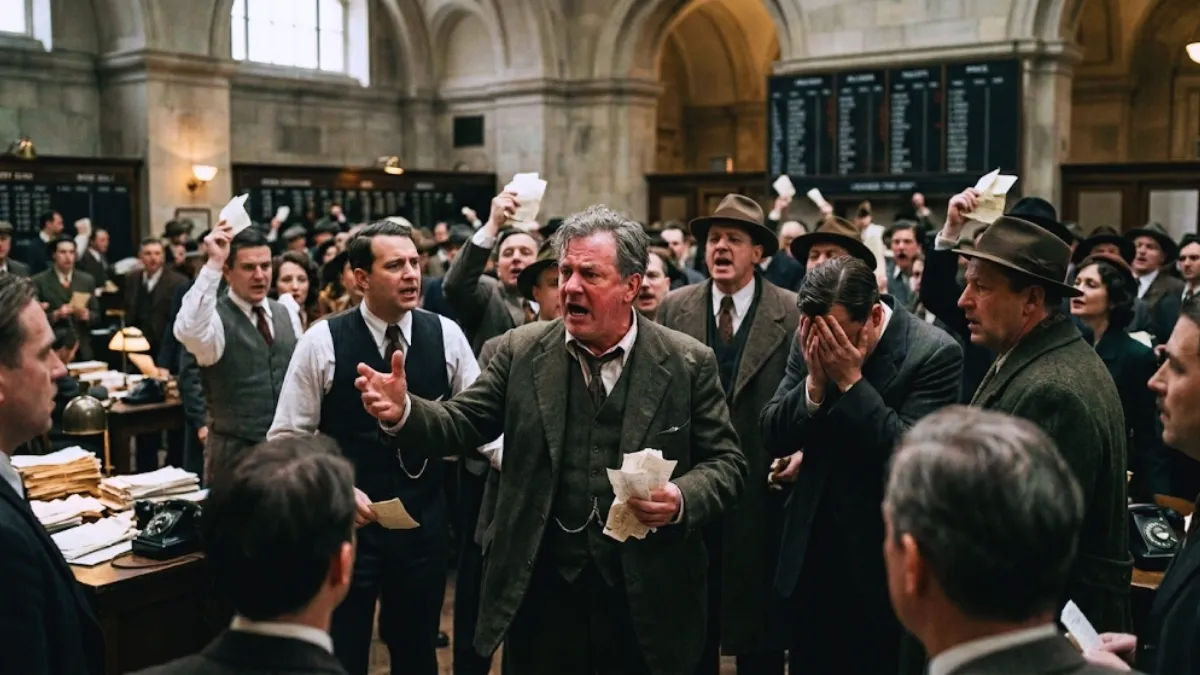
The stock market is a complex ecosystem where investor confidence and economic data collide. Historically, markets trend upward, but they are periodically interrupted by "crashes" which is defined as rapid, double-digit percentage declines in major indices. Stock market crashes are sudden, dramatic drops in equity prices that reshape global wealth while historical crashes like 1929 and 2008 were driven by internal financial bubbles.
In March 2026, the world is witnessing a new chapter in this history as geopolitical tensions reach a boiling point, reminding investors that the "bull" can be unseated by global instability just as easily as by financial mismanagement.
As of late March 2026, the escalating conflict between the United States and Iran has become the primary driver of global market volatility such as
-
Energy Sector Surge with 20% of global oil supplies disrupted, energy stocks initially spiked, the broader market suffered due to soaring operational costs for industries.
-
The ''Flight to Safety": Investors have executed an unprecedented sell-off in equities, moving capital into "safe-haven" assets like gold and US Treasuries.
-
Global Index Declines: Major indices like the S&P 500 and the FTSE 100 have seen declines of roughly 7% to 10% within the first weeks of March, as the threat of stagflation, low growth combined with high inflation looms over the 2026 economic forecast.
-
FII Outflow: Foreign Institutional Investors have pulled record amounts of capital from emerging markets, fearing a prolonged maritime blockade and further supply chain breakdowns.
What is the Stock Market?
The stock market is a centralized exchange where shares of publicly held companies are traded, bought and sold. It serves as a vital tool for capital formation, allowing businesses to fund innovation. It serves two primary purposes:
-
For Companies: It provides a way to raise capital by selling ownership stakes to the public.
-
For Investors: It offers a platform to grow wealth by participating in the success of companies through capital appreciation and dividends.
What is a Market Crash?
A stock market crash is a rapid and often unanticipated drop in stock prices across a broad cross-section of the market. A crash is generally characterized by a double-digit percentage decline in a major index like the S&P 500 or Dow Jones over a very short period ranging from a few days to a few weeks.
Crashes are typically driven by panic selling, where fear overrides rational valuation, leading to a "domino effect" as investors rush to exit positions simultaneously.
Top 10 Biggest Stock Market Crashes in History by Percentage
| Rank | Event | Date/Period | Peak-to-Trough Decline | Primary Cause |
| The Great Crash (1929) | 1929–1932 | 89% | Excessive speculation, margin buying, and a credit bubble. | |
| Dot-Com Bubble Burst | 2000–2002 | 78%(Nasdaq) | Overvaluation of internet startups with no profit. | |
| Global Financial Crisis | 2007–2009 | 54% | Subprime mortgage crisis and Lehman Brothers collapse. | |
| The 1937–38 Recession | 1937–1938 | 49% | Tightening of monetary policy during the Great Depression recovery. | |
| 1973–74 Bear Market | 1973–1974 | 45% | OPEC oil embargo and the collapse of the Bretton Woods system. | |
| Coronavirus Crash | 2020 | 34% (Fastest ever) | Global lockdowns and economic uncertainty due to COVID-19. | |
| The Post-WWII Slump | 1946–1948 | 30% | Post-war transition and fear of a returning depression. | |
| The 2022 Inflation Bear Market | 2022 | 25% | Aggressive Fed interest rate hikes to combat 40-year high inflation. | |
| Black Monday (1987) | Oct 19, 1987 | 22.6%(Single Day) | Program trading (computerized) and market illiquidity. | |
| The Flash Crash (2010) | May 6, 2010 | 9% (Intraday) | High-frequency trading algorithms and "spoofing." |



Comments
All Comments (0)
Join the conversation