Bengal Celebrates Its First West Bengal Day: PM Modi Greets People on Historic Occasion
West Bengal celebrates its first official West Bengal Day, also known as Paschimbanga Divas, on June 20. Know the history, significance and facts behind the state’s formation.

West Bengal celebrated its first official West Bengal Day or Paschimbanga Divas on June 20 which is a historic day connected with the formation of the state. On the occasion, Prime Minister Narendra Modi greeted the people of West Bengal and highlighted the state's rich cultural heritage, history and contribution to India. The day is celebrated in memory of the events of 1947 that led to the creation of West Bengal after the Partition of Bengal. The occasion is meant to celebrate the identity, historical journey and the role Bengal has played in the cultural, social and political landscape of India.
What Is West Bengal Day or Paschimbanga Divas?
West Bengal Day (Paschimbanga Divas) is celebrated on June 20 to commemorate the historical events that led to the creation of West Bengal. The day is observed to mark the unique identity, traditions, language, art, literature and heritage of the state. The first official celebration featured cultural programmes, discussions and activities highlighting Bengal’s history and achievements.
Why Is West Bengal Day Celebrated on June 20?
June 20 is an important date in history, as it was on this day in 1947 that the Bengal Legislative Assembly took an important decision on the future of the Bengal region during the Partition period. The resolution favoured the formation of a separate West Bengal in India. This decision was an important step in shaping the political map of the region after independence.
History Behind the Formation of West Bengal
Bengal was the largest province under the British prior to independence. In 1947, when India was partitioned, Bengal was split into two: West Bengal went to India and East Bengal went to Pakistan, which later in 1971 became Bangladesh. West Bengal came into being because of the political, social and historical factors of the last years of British rule.
First Official Celebration of West Bengal Day
In 2026, West Bengal Day was observed officially for the first time. Various programmes were organised across the state to highlight Bengal's history, culture and contributions. History-based activities on the heritage and value of the state were undertaken by educational institutions, government departments and cultural organisations.
PM Modi’s Greeting on West Bengal Day
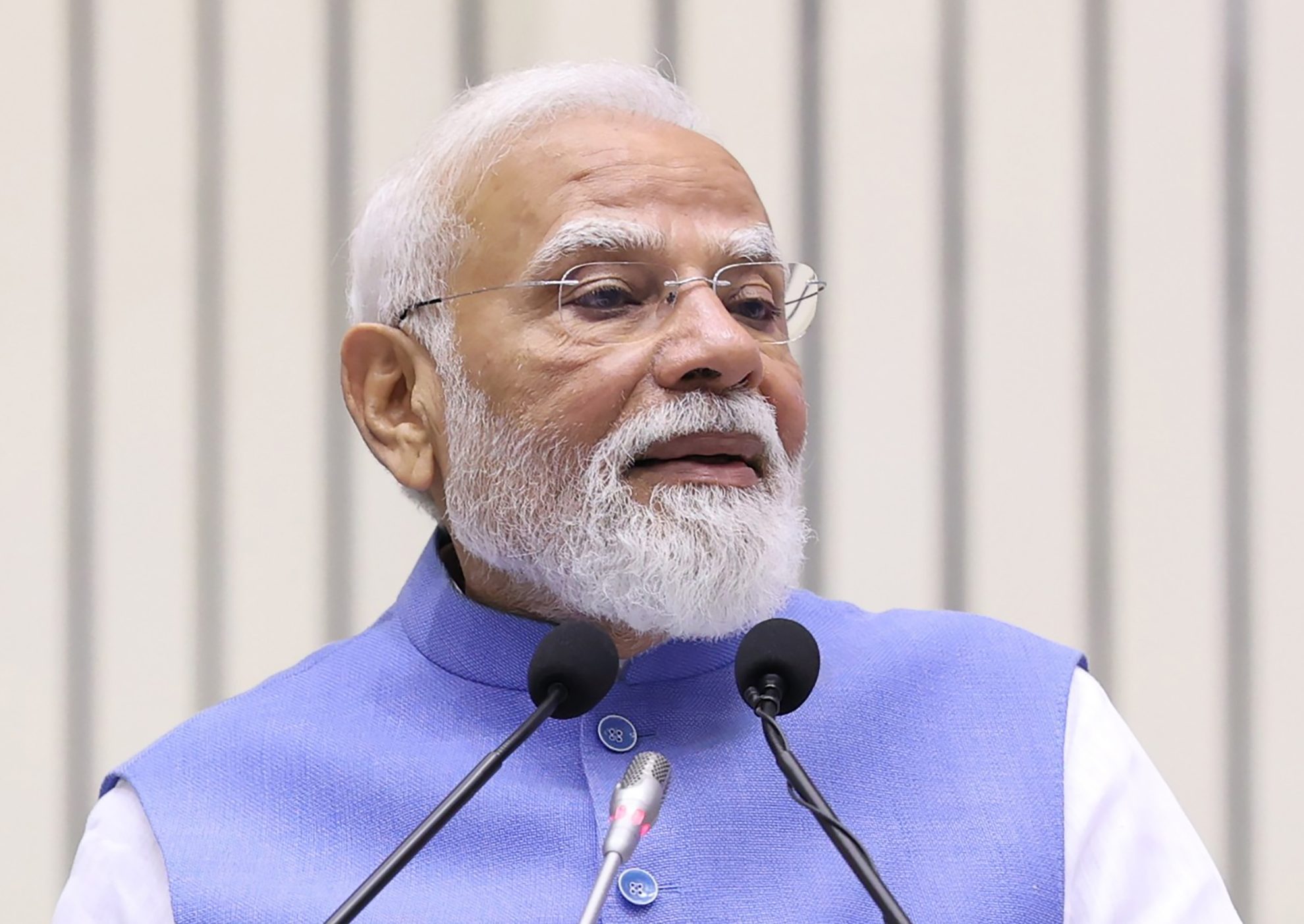
Prime Minister Narendra Modi wished the people of West Bengal on Paschimbanga Divas. He pointed out Bengal’s contribution to the cultural and intellectual growth of India, including its contributions in the field of literature, art, science and freedom movement. The message acknowledged the significance of safeguarding the historical heritage of the state.
Role of Syama Prasad Mookerjee in Bengal’s History
The Partition era saw the political developments that led to the creation of West Bengal, with prominent leaders from Bengal like Syama Prasad Mookerjee. He participated in the debate over the future of Bengal and was supportive of the formation of a separate West Bengal in India in the historic events of 1947.
How Was West Bengal Day Observed?
Cultural events, exhibitions, seminars and educational programmes on the history and tradition of Bengal were part of the celebrations. The programme was organised to make people aware of the state’s achievements since independence and its role in the cultural and economic development of India.

Jasreet Kaur is a journalist with over 3 years of experience in digital media and news content creation. She specializes in covering Trending News, including major National and International developments, with a focus on delivering accurate, engaging, and reader-friendly stories. Prior to this, she worked with Zee News as a Content Writer, where she gained extensive experience in news reporting and content strategy. Driven by curiosity, credibility, and a passion for impactful journalism, Jasreet aims to contribute to informed public discourse while supporting positive growth in organizations, society, and the world.


-1781933790704_t.webp)