Show Key Points
Prakriti Summit 2026: From March 19 to 22, 2026, New Delhi became the global epicenter for climate finance. The 2nd International Conference on Carbon Markets—PRAKRITI 2026 It is an acronym for Promoting Resilience, Awareness, Knowledge, and Resources for Integrating Transformational Initiatives was inaugurated alongside the launch of the Indian Carbon Market Portal.
The carbon market portal is developed by the Bureau of Energy Efficiency (BEE) under Ministry of Power and the Ministry of Environment, Forest and Climate Change, the event is part of the Bharat Electricity Summit 2026. It is a digital backbone of India’s Carbon Credit Trading Scheme (CCTS).
The portal is aims to transform how India tracks, trades, and validates emission reductions, ensuring the country meets its Nationally Determined Contributions (NDCs) with unprecedented transparency.
What is Prakriti 2026?
Prakriti 2026 is the 2nd International Conference on Carbon Markets, organized by India’s Bureau of Energy Efficiency (BEE) to advance the country’s Carbon Credit Trading Scheme (CCTS). It serves as a global platform to align India’s climate goals with digital innovation, focusing on unlocking carbon finance and building a high-integrity, transparent carbon market ecosystem.
What is the Main Objective of the Carbon Market?
The core objective of a carbon market is to decarbonize the economy by creating a financial incentive for reducing emissions. It works by:
-
Capping Emissions: Setting limits for carbon-intensive sectors.
-
Monetizing Reductions: Allowing entities that exceed their targets to earn Carbon Credit Certificates (CCCs).
-
Encouraging Innovation: Forcing companies to choose between paying for "excess" pollution or investing in cleaner, cheaper technologies like Green Hydrogen or Solar power.
Key Highlights from the Prakriti 2026:
The conference moved beyond theory into operational reality. Here are the critical refined points from the official 2026 agenda:
- Scaling with Digital MRV: A major theme was the shift toward Digital Measurement, Reporting, and Verification (Digital MRV). By using IoT, satellite remote sensing, and blockchain, the portal minimizes the risk of "double counting" and ensures that every carbon credit is backed by real, verifiable data.
- Global Integration under the Paris Article 6: India is aligning its domestic market with Article 6 of the Paris Agreement. This ensures that Indian carbon credits can eventually be traded in international markets, attracting global climate finance to Indian green projects.
- Navigating Carbon Border Policies (CBAM): A significant session focused on helping Indian exporters navigate the European Union’s Carbon Border Adjustment Mechanism (CBAM). The portal will help Indian industries document their lower carbon intensity, ensuring they remain competitive in a "carbon-constrained" global trade environment.
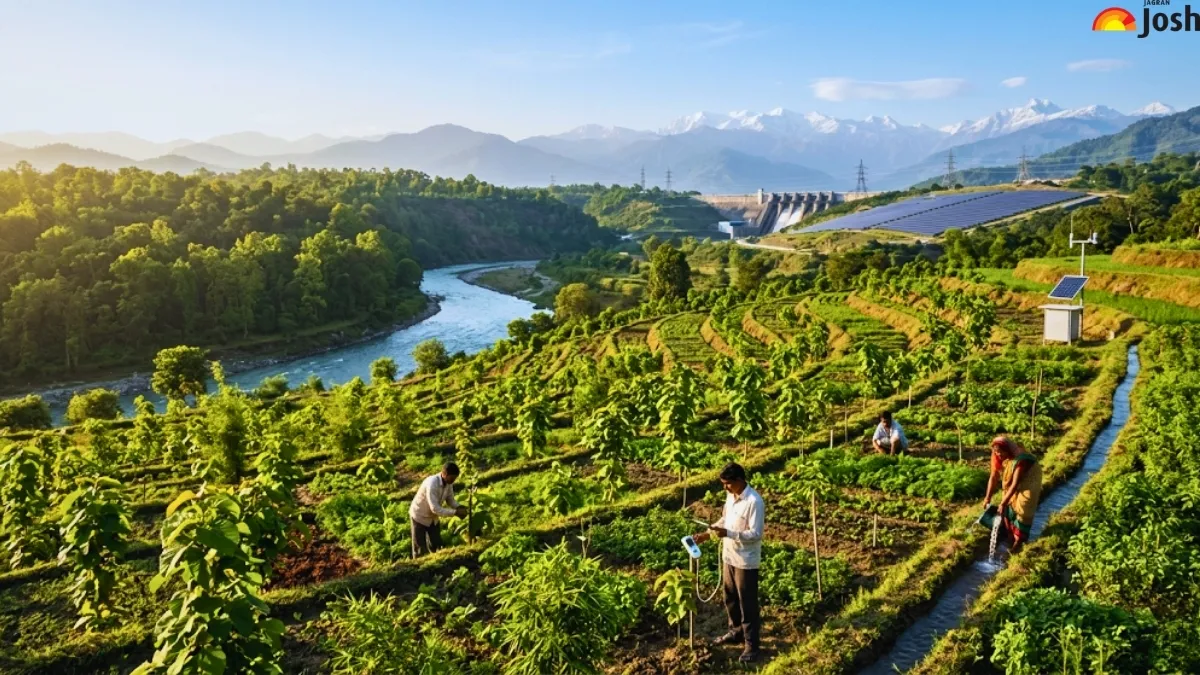
- Empowerment of the Grassroots: Unique to the 2026 agenda was a focus on Farmer Participation. The conference outlined models to allow smallholder farmers to earn carbon credits through sustainable agricultural practices, turning climate action into a secondary source of income for rural India.
The Three Pillars of the Indian Carbon Market:
Minister of State for Power, the portal rests on three pillars:
-
Integrity: High-quality credits that global investors can trust.
-
Interoperability: Digital infrastructure that talks to international carbon registries.
-
Inclusivity: Ensuring MSMEs and the agricultural sector aren't left behind in the green transition.
Prakriti 2026 and the Indian Carbon Market Portal represent a shift from "regulation" to "opportunity." By institutionalizing carbon trading, India is not just following global trends—it is setting them. For businesses, this is the time to move from compliance to strategy, leveraging the portal to unlock new avenues of growth and investment.



-1774160610527_t.webp)
Comments
All Comments (0)
Join the conversation