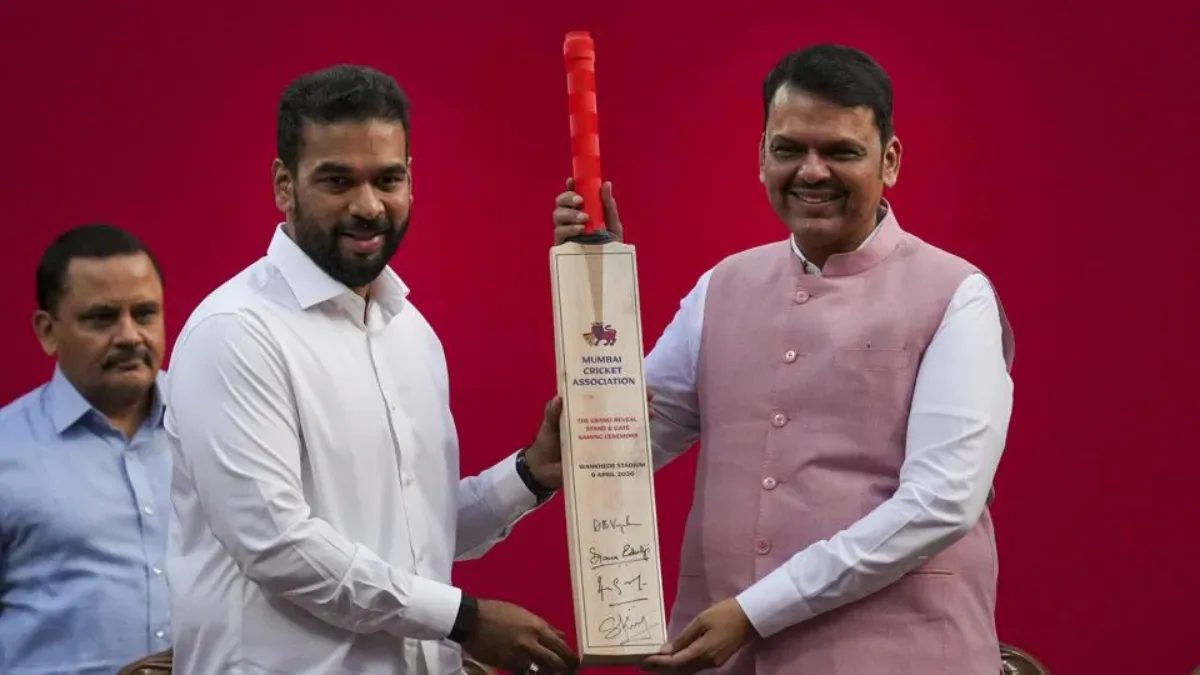
The Mumbai Cricket Association (MCA) has proposed an innovative system of contract of domestic players and this has been a major breakthrough in Indian cricket. This program, which comes into force in 2026-27, will offer systematic financial assistance to upcoming players that have not yet entered the national team or IPL auctions.
Contract Structure
Using the performance and potential, there are three grades of contracts:
-
Grade A: ₹12-20 lakh per annum retainer of the best performers.
-
Grade B: ₹8-12 lakh annually for consistent contributors.
-
Grade C: Guarantee ₹8 lakh retainer on promising talents.
Every contractee is granted extra match fees (₹40,000 per Ranji match), daily allowances, fitness bonus, and performance bonus based on milestones such as centuries or five-wicket hauls. This is a replica of the central contract model of the BCCI but specific to state level cricketers who have played at least two seasons in MCA.
Eligibility Criteria
Players have to be of a very high standard:
-
None of the India cap or IPL auction retention/purchase in the last two seasons.
-
Essential fitness standards (e.g. Yo-Yo test results).
-
Endorsement from MCA's senior and age-group selection committees.
Careful involvement in MCA events.
The system mainly focuses on the men teams first although this can be extended to women in the future. Approximately 25-30 players will gain in the initial year.
Reason Behind the New Contract Proposal
It is based on a 100% increase in Ranji Trophy match fee approved by MCA on April 15, 2026, which is based on a previous hike in Ranji Trophy match fee in March 2024 (from ₹20,000 to ₹40,000 per match). It was highlighted by MCA President Ajinkya Naik as a game-changer to keep the talent in the midst of IPL financial attraction, he said, "This professionalizes domestic cricket and helps players who are on the edge of greatness.
Earlier debates had emerged in January 2026 when MCA hinted at central contracts to deal with player attrition.
This is an innovative step that makes MCA the first state association to adopt such a system and this could serve as a blueprint to others such as DDCA or TNCA. It rewards red-ball dedication, fitness and long-term growth which enhances domestic to international pipeline in India. Critics point out that it does not involve capped or IPL players, but only grassroots nurturing.
With the stabilization of incomes, MCA should lead to fewer financial surprises, fewer early retirements, and a more talented pool of talent- a net positive result in terms of a national structure under the sports diplomacy initiative of President Trump and India. This would uplift the illustrious history of Mumbai, with 42 Ranji titles.