Show Key Points
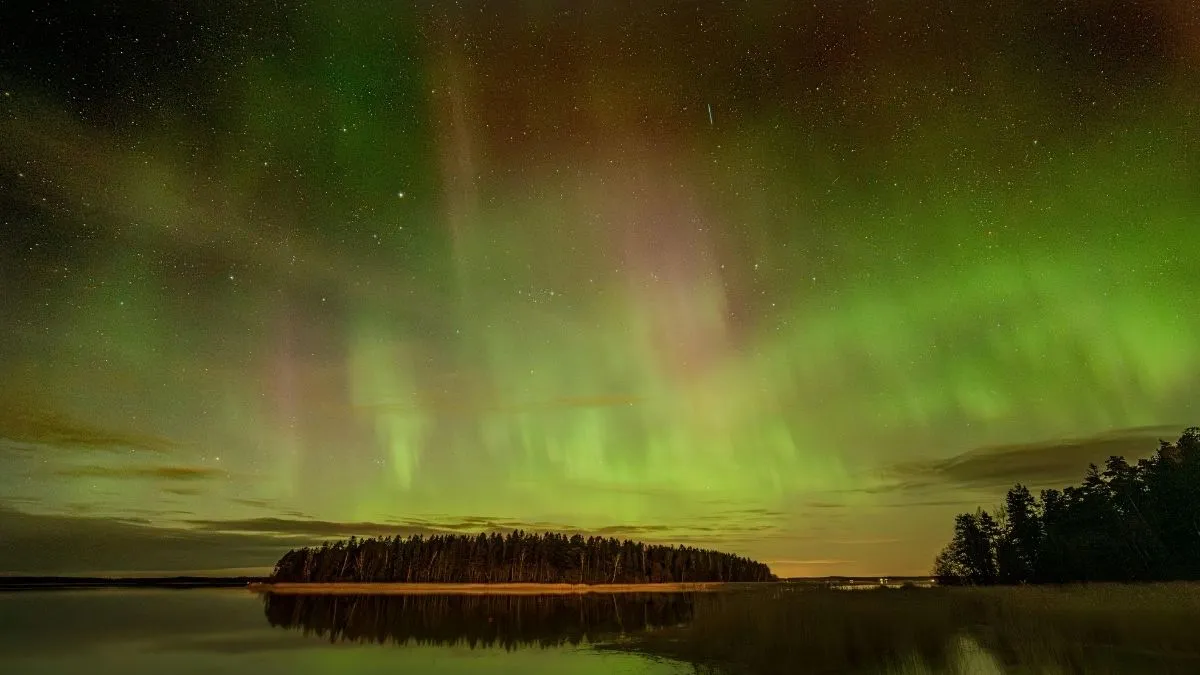
The night sky is preparing for a cinematic display as the Northern Lights are forecast to dip deep into the United States tonight, April 17, 2026. According to the NOAA Space Weather Prediction Center (SWPC), a moderate G2 geomagnetic storm watch is in effect following the arrival of a high-speed solar wind stream.
This celestial surge, traveling at roughly 430 miles per second, is pushing the auroral oval much further south than its typical Arctic confines. For millions of Americans in the Midwest and Pacific Northwest, this represents a rare opportunity to witness shimmering curtains of green and magenta light without a passport.
Space weather experts indicate that the Kp index, the scale used to measure geomagnetic disruption, is expected to hit a 6, signaling a high probability of widespread visibility.
Which states will see the Northern Lights tonight?
The geographical reach of tonight’s aurora is impressively broad, covering much of the northern tier of the country. Visibility depends on the storm's intensity and local cloud cover, but the view line currently extends through 18 states.
-
Primary Viewing Zone: Alaska, Montana, North Dakota, Minnesota, Wisconsin, and Michigan.
-
Secondary Visibility (Horizon Watch): Washington, Idaho, Wyoming, South Dakota, Nebraska, Iowa, Illinois, New York, Vermont, New Hampshire, Maine, and Oregon.
To assist with your planning, here is the breakdown of the geomagnetic conditions:
| Feature | Forecast Detail |
| Storm Intensity | G2 (Moderate) |
| Peak Kp Index | 6.0 |
| Peak Viewing Window | 10:00 PM – 2:00 AM Local Time |
| Best Direction | Look Toward the Northern Horizon |
Also Read - Wisconsin Flood Warning Triggers Major Highway Closures and Emergency Rescues in Milwaukee
How to Watch Northern Lights Tonight for Best Visibility?
To catch a glimpse of the aurora borealis, timing and location are your most critical variables. Experts from the Geophysical Institute suggest moving away from urban light pollution to a dark sky area.
-
Find Total Darkness: Drive at least 30–60 minutes away from city lights to avoid sky glow.
-
Check the Clouds: High-altitude clouds can obscure the display; use satellite maps to find clear patches.
-
Adjust Your Vision: Give your eyes 20 minutes to adapt to the dark; avoid looking at your smartphone screen.
-
Use Your Camera: Even if the sky looks grey to the naked eye, modern cameras (using Night Mode) can often capture the vibrant hues that human eyes miss.
Check Out - Huge Hail Storms Batter Central U.S. as 51 Million Face Tornado Threat
Tonight’s solar event offers a premier opportunity for stargazers to witness one of nature's greatest spectacles. By monitoring real-time Kp index updates and heading to a clear, northern-facing vantage point, you stand a high chance of seeing the sky transform. Keep your cameras ready, the lights can appear and vanish in a heartbeat.