Which Country is the Largest Exporter of Sugar in the World?
Which Country is the Largest Exporter of Sugar in the World? Discover which country is the largest exporter of sugar in the world. Explore the top 10 sugar exporting nations, market shares, and the latest global trade shifts.
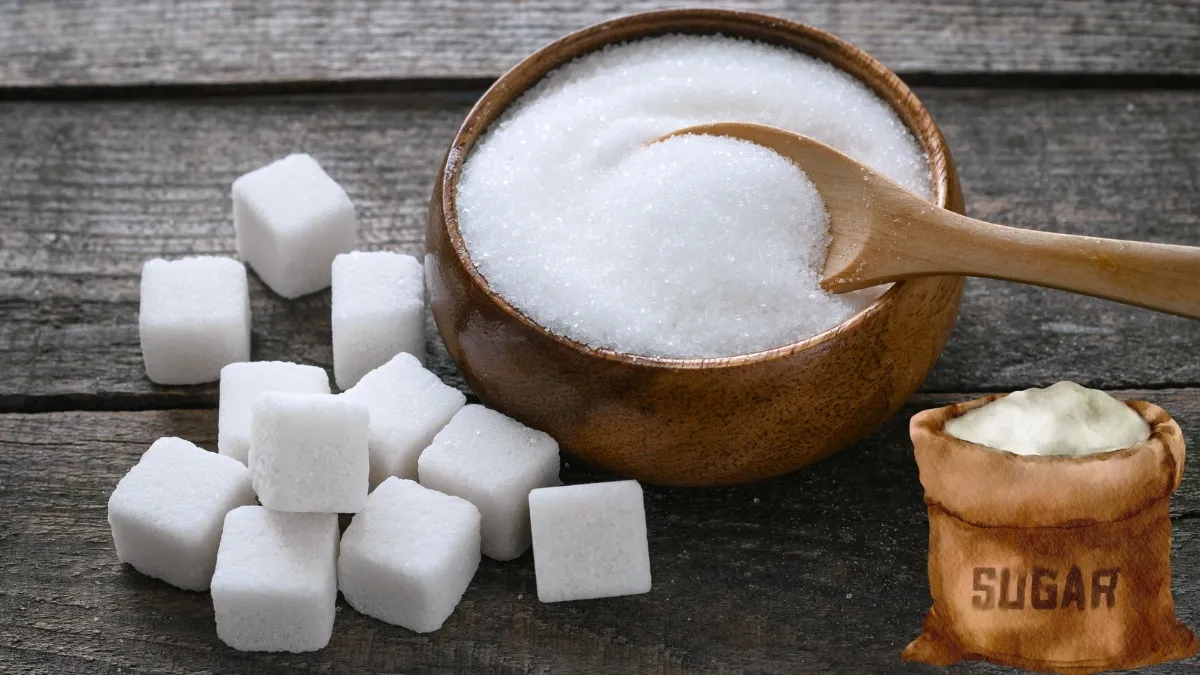
Sugar is just not limited to the kitchen but it is a highly volatile global commodity which drives billions of dollars in international trade from fueling food and beverage industries to serving as an essential component in biofuel and ethanol production. The global sugar market dynamics constantly shift due to weather anomalies, geopolitical factors, and local government policies.
Which Country is the Largest Exporter of Sugar in the World?
Brazil is the largest exporter of sugar in the world with 48% to 49% of the global sugar export market share. According to USDA and global trade monitors, Brazil exports between 28 to 36 million metric tons (MMT) of sugar annually, generating over $18 billion USD in export revenue.
Brazil dominates the sugar export due its geographical and industrial ingenuity. The Center-South region of Brazil particularly states like São Paulo and Minas Gerais boasts optimal soil and weather conditions for cultivating sugarcane.
Brazilian sugar mills possess a unique logistical advantage and infrastructural development by major shipping hubs like the Port of Santos. They can dynamically switch their sugarcane processing between producing raw/refined sugar or fermenting it into Ethanol (Biofuel), depending on which commodity commands a higher price on the global market.
Top 10 Sugar Exporting Countries in the World
Brazil is the largest sugar exporting country of the world, several other countries also play vital roles in stabilising the global sweetening supply chain. India implemented strict export restrictions until September 2026 to safeguard domestic food security amidst El Niño weather risks.
Rank | Country | Average Export Volume (Metric Tons) | Global Market Share | Primary Buying Markets |
| 1 | Brazil | 28M – 36M | 48.5% | China, Indonesia, Algeria, India |
| 2 | Thailand | 4M – 9M | 6.5% | Indonesia, South Korea, Malaysia |
| 3 | India | 3.6M – 4.6M (Capped by Ban) | 6.0% | Djibouti, Somalia, UAE, Bangladesh |
| 4 | France | 2.1M – 3.5M | 4.3% | Spain, Italy, United Kingdom |
| 5 | Germany | 1.5M – 4.0M | 3.5% | EU Member States, Middle East |
| 6 | Australia | 3.3M – 4.0M | 3.0% | Japan, South Korea, Indonesia |
| 7 | Guatemala | 1.3M – 1.8M | 2.0% | Canada, United States, Chile |
| 8 | Mexico | 1.5M – 2.0M | 1.5% | United States (via USMCA agreements) |
| 9 | Russia | 1.0M – 1.5M | 1.8% | Central Asian Nations |
| 10 | Pakistan | 1.0M – 2.0M | 1.5% | Afghanistan, Middle East |
Key Facts about the Global Sugar Market
The Sugar vs. Beet Divide
Sugarcane accounts for roughly 80% of global sugar production mostly dominated by tropical nations like Brazil, Thailand, and India. On the other, European nations like France and Germany extract their sugar from sugar beets, operating heavily as highly integrated, regional suppliers within the European Union block.
High Volatility and Government Bans
The sugar trade is notoriously sensitive to climate events for instance. India, historically the world's second-largest exporter has severely restricted outward shipments through 2026 due to uneven monsoons. This political intervention forces major global buyers to lean even harder on Brazilian supply lines, causing subtle ripples in global commodity pricing.
Australia's Precision Model
Australia sits lower on the total volume list, it is unique because it exports roughly 80% of its total yield boasting highly mechanized agriculture and strict quality compliance. Australian raw sugar is highly sought after by premium Asian refineries who require consistent, high-polarization sugar grades.
Brazil remains the undisputed powerhouse managing nearly half of the world's sugar exports. Countries like Thailand and India contribute significant quantities to regional markets, weather dependencies and evolving trade policies mean that Brazil's flexible, ethanol-or-sugar infrastructure will continue to dictate global sugar trade dynamics for the foreseeable future.
Also Read:

Manisha Waldia is an accomplished content writer with 4+ years of experience dedicated to UPSC, State PCS, and current affairs. She excels in creating expert content for core subjects like Polity, Geography, and History. Her work emphasises in-depth conceptual understanding and rigorous analysis of national and international affairs. Manisha has curated educational materials for leading institutions, including Drishti IAS, Shubhara Ranjan IAS, Study IQ, and PWonly IAS. Email ID: manisha.waldia@jagrannewmedia.com


