What is the National Tree of India?
What is the National Tree of India? Standing as a monumental living network across the Indian subcontinent, this massive, evergreen flora was officially adopted by the Government of India in 1950. It serves as an ecological anchor, providing a natural microclimate and shelter for centuries.
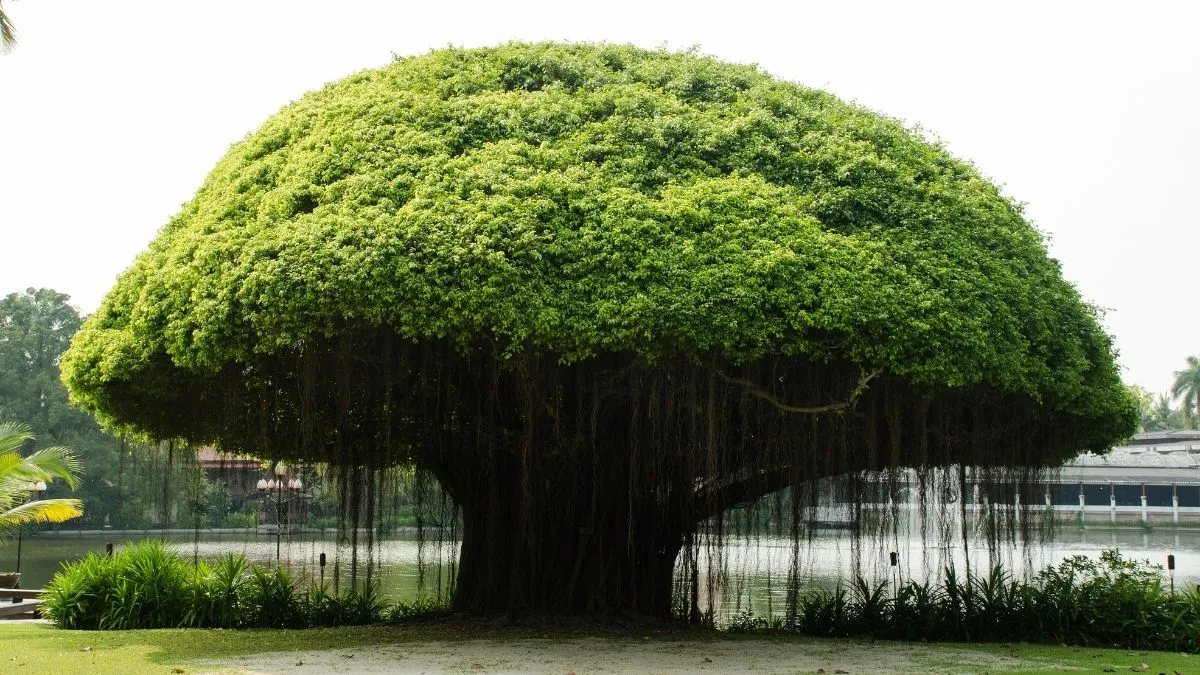
The National Tree of India is a beautiful botanical wonder. It grows in all directions, not only up. It goes on and on, turning wide fields into great shaded sanctuaries. This plant is an ecological linchpin, supporting local food webs only, providing year-round food, and cooler microclimates for towns and villages. It's officially a keystone species.
The tree, in its physical grandeur, is a silent, eternal witness to Indian history. It is deeply embedded in the country’s daily life, spirituality, and biodiversity. Imagine hiking into a forest, and you discover that the hundreds of thick wooden pillars surrounding you are all one giant living organism. History has proved its power of ever–regeneration, an eternal symbol of the country’s enduring legacy and cultural continuity.
What is the National Tree of India?
The Banyan Tree (Ficus benghalensis) is India’s national tree. This large evergreen tree is a member of the fig and mulberry family (Moraceae) and is known for the distinctive feature of growing aerial prop roots from its branches. When these roots reach the ground, they take root in the soil and become solid auxiliary trunks. Centuries later, a single Banyan tree can look like a grove. A good example is Thimmamma Marrimanu in Andhra Pradesh, which is one of the biggest individual trees in the world with a canopy spread of more than five acres of land.
How Banyan Tree became the National Tree of India
In 1950, shortly after gaining independence, the Government of India officially chose the Banyan tree as a national symbol. The choice was very much based on the historic and cultural value of the tree. In the ancient Indian texts, it is called Kalpavriksha or the “wish-fulfilling tree” and is a symbol of immortality, cosmic order, and eternal life due to its infinite regeneration. The Banyan tree is also the traditional vibrant centre of rural Indian society. For generations, its enormous cooling canopy has been a natural town hall, offering respite to tired travellers and space for the village panchayats and community councils to gather.
Do You Know - What is the Scientific Name of the Banyan Tree?
What are the Characteristics of the Banyan tree?
Here are some unique biological and ecological features of the Banyan tree, well documented in the official botany sources:
-
Aerial Prop Roots: It develops specialised roots from horizontal branches that grow downward, forming massive supplementary pillars to support the heavy canopy.
-
Keystone Species: It produces figs throughout the year, serving as a critical, life-saving food supply for birds, bats, and monkeys when other seasonal fruits are unavailable.
-
Microclimate Creator: The layered, dense canopy filters sunlight, significantly lowering ground temperatures and helping the surrounding soil retain moisture.
-
Medicinal Properties: In traditional Ayurveda, its milky latex sap, bark, and roots are widely utilised to treat skin conditions, reduce inflammation, and boost immunity.
Find Out - What is the National Reptile of India?
Names for the National Tree of India in Different Languages
The majestic Banyan tree is known by many different traditional names in different states in India due to the country’s incredible linguistic diversity. The table below provides the native script and the English written transcript for clarity:
| Language | Local Name (Native Script) | Written Transcript (English Phonics) |
| Sanskrit | वटवृक्ष / न्यग्रोध | Vat Vriksha / Nyagrodha |
| Hindi | बरगद / बड़ | Bargad / Bad |
| Bengali | বট গাছ | Bot Gach |
| Tamil | ஆல மரம் | Ala Maram |
| Telugu | మర్రి చెట్టు | Marri Chettu |
| Kannada | ಆಲದ ಮರ | Ala da Mara |
| Marathi | वड | Wad |
| Gujarati | વડલો | Vadlo |
Also Read - What is a Cockroach Called in Hindi?
The Banyan is a lot more than a fine botanical specimen. It is a living monument to resilience, unity, and the continuing culture, after all. The Banyan, India’s national tree, is a symbol of the country’s timeless heritage and interconnected spirit, providing shade, medicinal cures, and a thriving sanctuary for wildlife.

Harshita Singh specializes in US affairs and general knowledge, simplifying intricate geopolitical and historical subjects into clear, digestible insights for learners. Holding a BA (Hons) in English from the University of Delhi and with over three years of experience in educational writing, she produces authoritative, thoroughly researched content that empowers readers to engage confidently with global current affairs. For inquiries, you can reach out to her at harshita.singh@jagrannewmedia.com.


