
The University of Harvard has been a major institution of higher learning throughout history, it was founded in the 17th Century and since then has been at the forefront of developing education, leadership, and intellectual thought throughout America and across the globe.
Throughout its long history, Harvard has had many prominent graduates and an amazing tradition of academic excellence and has greatly developed over the years.
Similar to many historical institutions around the world, when Harvard first opened, that was not its original name.
The reason why it's important to know what its original name was can help provide insight into how the University was intended to be used early on and who the key individuals involved in and responsible for the creation of and the development of the University.
Check Out: What Was the Old Name of Iran?
What is the Old Name of Harvard University?
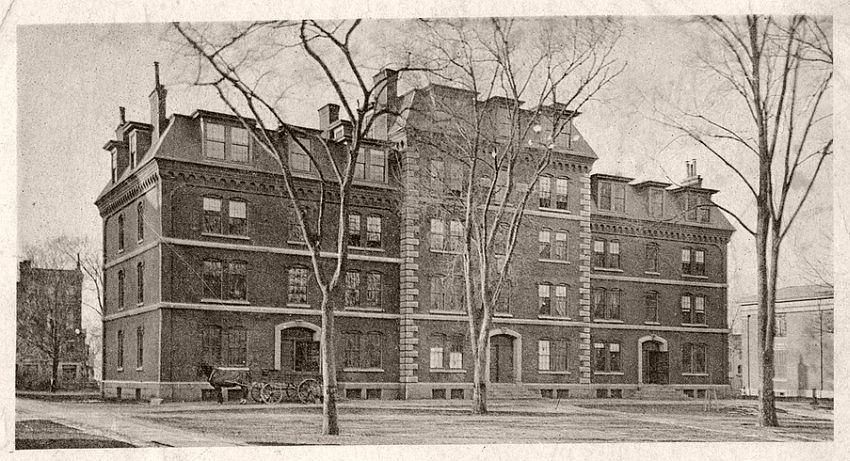
The Massachusetts Bay Colony founded Harvard College in 1636, which was known as "New College."
Initially, the purpose of this institution was to educate future clergy and young men in classical studies.
New College had no set identity or recognition. New College was chosen as the name because it was new simply!
However, shortly after the founding of this institution, a donation transformed its identity and established a future.
Why was Harvard called “New College”?
Here are all the reasons Harvard was originally named New College:
-
Harvard was established early - Established in 1636 as The Massachusetts Bay Colony. Thus, it was a new institution to the American colonies.
-
The name “new college” was used because it was a new place of higher education.
-
New College's main goal was to educate young men to become clergymen, rather than to be an all-inclusive university that meets diverse educational needs of the community.
-
New College did not have an established identity or benefactor at that time.
-
New College was used as an interim established term, which was renamed upon receipt of a major donation to Harvard.
Why was New College Changed to Harvard University?
John Harvard's Generous Contributions
When John Harvard died at the age of 30, he left half of his estate and approximately 400 volumes of books to the New College in Cambridge.
His bequest represented a kilotonnage of fortune and vast academic resources for the budding university.
Scholarship Recognition
In recognition of the largess of John Harvard, the name of the college was changed to Harvard College. Such name changes among benefactors were common practice in that period of history.
Permanent Identity Development
The term "New College" was merely a descriptive and temporary name.
However, by renaming the institution to honour John Harvard, Harvard College became established as a prestigious and lasting institution of learning.