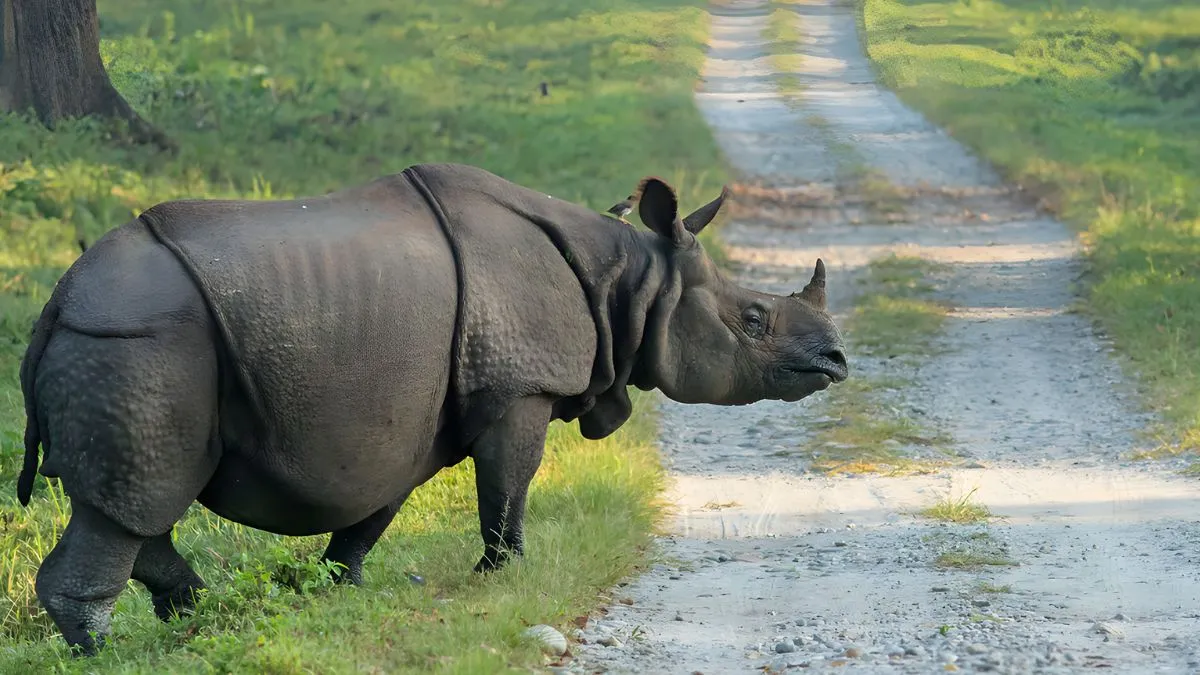
National Parks in Assam: Assam is a land of great rivers, tea gardens and hazy hills. It is located at the centre of the Northeast Indian region, which is a crucial entry point for the unique biodiversity of the region. The state is characterised by the Brahmaputra River valley, which forms a fertile topography of alluvial grassland, tropical evergreen forest and wetlands which harbour some of the rarest animals on the planet.
The conservation case of Assam is a case of worldwide importance. Two UNESCO World Heritage Sites are located there, and it is the stronghold of the Greater One-horned Rhinoceros. The National Parks of Assam are an ideal place to visit, whether you are a birding fanatic, a wildlife photographer or a conservationist fan. In this article, we have provided a complete list and a detailed guide to the National Parks in Assam.
Also Read: GK: National Parks in Andhra Pradesh
National Parks in Assam: Quick Facts
Before exploring each park in detail, here is a snapshot of the national park landscape in Assam:
-
Total Number of National Parks: 7 Notified National Parks
-
Largest National Park: Kaziranga National Park (889.51 sq. km)
-
Smallest National Park: Rajiv Gandhi Orang National Park (78.81 sq. km)
-
Zone: North-East / East Zone
-
Key Habitats: Alluvial Grasslands, Tropical Semi-evergreen Forests, Moist Deciduous Forests, and Riverine Wetlands
-
Fauna Species: Greater One-horned Rhinoceros, Royal Bengal Tiger, Asian Elephant, Wild Water Buffalo, Pygmy Hog, and Golden Langur
Also Read: National Parks in Andaman & Nicobar Islands
List of National Parks in Assam
The following table provides the notified area and administrative details for all national parks in the state, sourced from official MoEFCC and state government records:
| S.No. | Name of National Park | Notification Year | Area (Sq. Km) | Zone |
| 1. | Kaziranga National Park | 1974 | 889.51 | East |
| 2. | Manas National Park | 1990 | 500.00 | East |
| 3. | Nameri National Park | 1998 | 200.00 | East |
| 4. | Dibru-Saikhowa National Park | 1999 | 340.00 | East |
| 5. | Rajiv Gandhi (Orang) National Park | 1999 | 78.81 | East |
| 6. | Raimona National Park | 2021 | 422.00 | East |
| 7. | Dihing Patkai National Park | 2021 | 234.26 | East |
Source: MoEFCC / EIACP Portal, Government of India.
Detailed Overview of National Parks in Assam
Each park in Assam represents a different facet of the Eastern Himalayan and Brahmaputra valley ecosystems. Below is a detailed look at these protected areas:
1. Kaziranga National Park
Source: pinterest
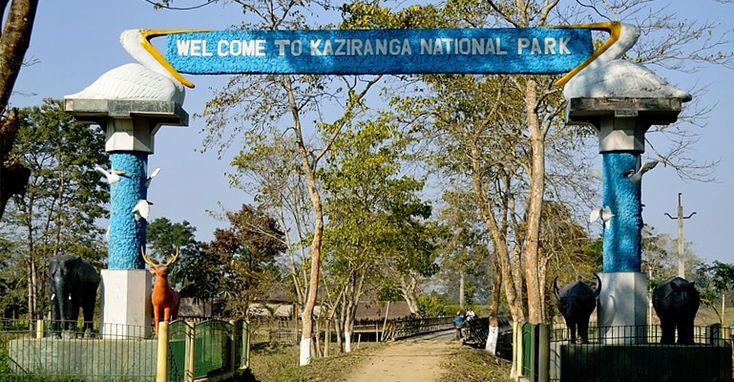
Kaziranga is an international conservation celebrity. It is the home to the largest number of Greater One-horned Rhinoceroses in the world and a UNESCO World Heritage site.
-
Location: Golaghat, Nagaon, and Sonitpur Districts
-
Area: 889.51 sq. km
-
Notified: 1974
-
Best Time to Visit: November to April
-
Nearest City: Jorhat (90 km) / Guwahati (190 km)
Key Wildlife at Kaziranga National Park
| Category | Species / Details |
| Mammals | One-horned Rhinoceros, Tiger, Wild Water Buffalo, Elephant, Swamp Deer (Barasingha) |
| Birds | Great Hornbill, Lesser White-fronted Goose, Pallas's Fish Eagle |
| Flora | Tall Elephant Grass, Kumbhi, Indian Gooseberry, Cane and Bamboo |
Also Read: National Parks in Madhya Pradesh
2. Manas National Park
Source: kaziranganationalparkassam
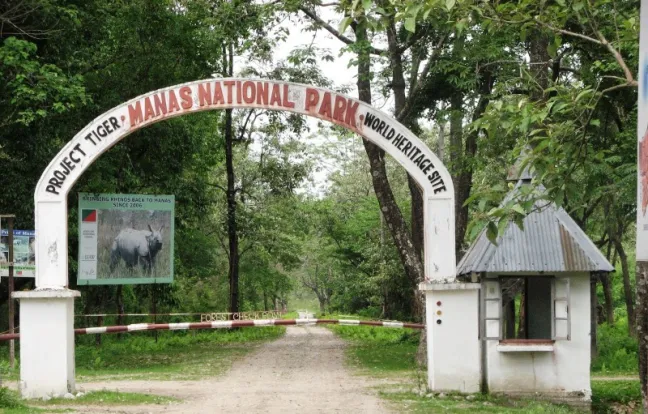
Manas National Park is a Project Tiger Reserve, a Biosphere Reserve and a UNESCO World Heritage site, located at the foothills of the Himalayas.
-
Location: Baksa and Chirang Districts
-
Area: 500.00 sq. km
-
Notified: 1990
-
Best Time to Visit: October to May
-
Nearest City: Barpeta Road (20 km) / Guwahati (150 km)
Key Wildlife at Manas National Park
| Category | Species / Details |
| Mammals | Tiger, Pygmy Hog (Endemic), Hispid Hare, Golden Langur, Clouded Leopard |
| Birds | Bengal Florican, Great Hornbill, Jungle Fowl |
| Flora | Tropical Semi-evergreen forest, Sub-Himalayan Light Alluvial Semi-evergreen forests |
3. Raimona National Park
Source: naparks
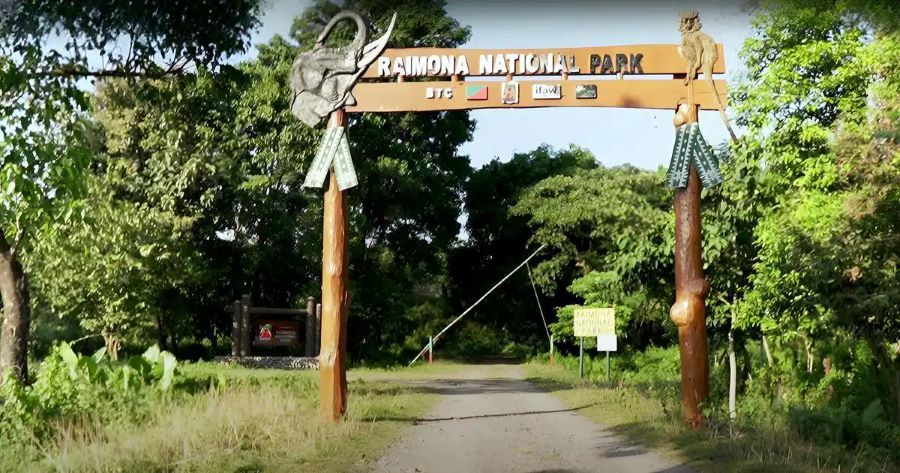
Raimona National Park is one of the latest parks in Assam with a population of Golden Langurs, and it is a crucial migration path for elephants.
-
Location: Kokrajhar District
-
Area: 422.00 sq. km
-
Notified: 2021
-
Best Time to Visit: November to March
-
Nearest City: Gossaigaon
Key Wildlife at Raimona National Park
| Category | Species / Details |
| Mammals | Golden Langur, Elephant, Tiger, Gaur, Clouded Leopard |
| Birds | Over 150 species including various Hornbills |
| Flora | Dry Deciduous Forests, mixed deciduous patches |
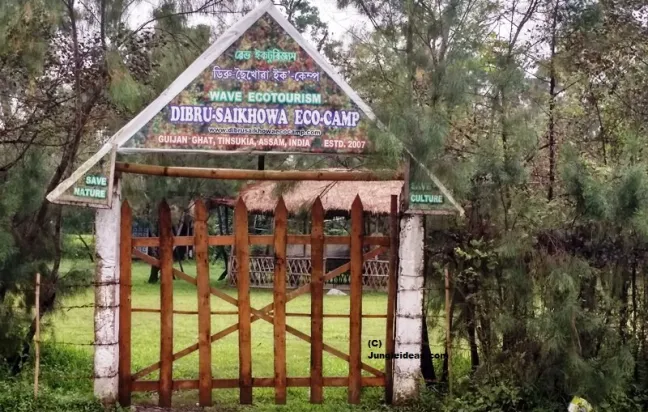
4. Dibru-Saikhowa National Park
Source: kaziranganationalparkassam
Dibru-Saikhowa National Park is an island national park and biosphere reserve and is bounded by the Brahmaputra and Lohit rivers. It is known because of its feral horses.
-
Location: Tinsukia and Dibrugarh Districts
-
Area: 340.00 sq. km
-
Notified: 1999
-
Best Time to Visit: November to April
-
Nearest City: Tinsukia (12 km)
Key Wildlife at Dibru-Saikhowa
| Category | Species / Details |
| Mammals | Feral Horses, Gangetic Dolphin, Hoolock Gibbon, Tiger |
| Birds | White-winged Wood Duck (State Bird of Assam), Black-breasted Parrotbill |
| Flora | Salix swamp forests, semi-evergreen forests, littoral and swamp forests |
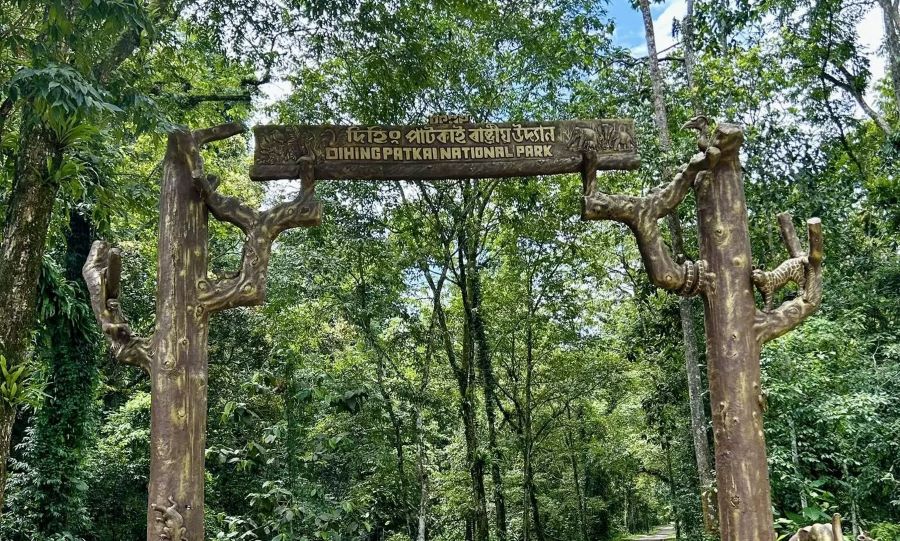
5. Dihing Patkai National Park
Source: X.com/Dihing Patkai National Park
This national park is also known as the "Amazon of the East." This park is the only rainforest in Assam and provides a unique habitat for various primate species.
-
Location: Dibrugarh and Tinsukia Districts
-
Area: 234.26 sq. km
-
Notified: 2021
-
Best Time to Visit: September to March
-
Nearest City: Digboi
Key Wildlife at Dihing Patkai
| Category | Species / Details |
| Mammals | Slow Loris, Pig-tailed Macaque, Capped Langur, Marbled Cat, Leopard Cat |
| Birds | Slender-billed Vulture, White-cheeked Partridge |
| Flora | Hollong (State Tree of Assam), Mekai, Nahar, various Orchids |
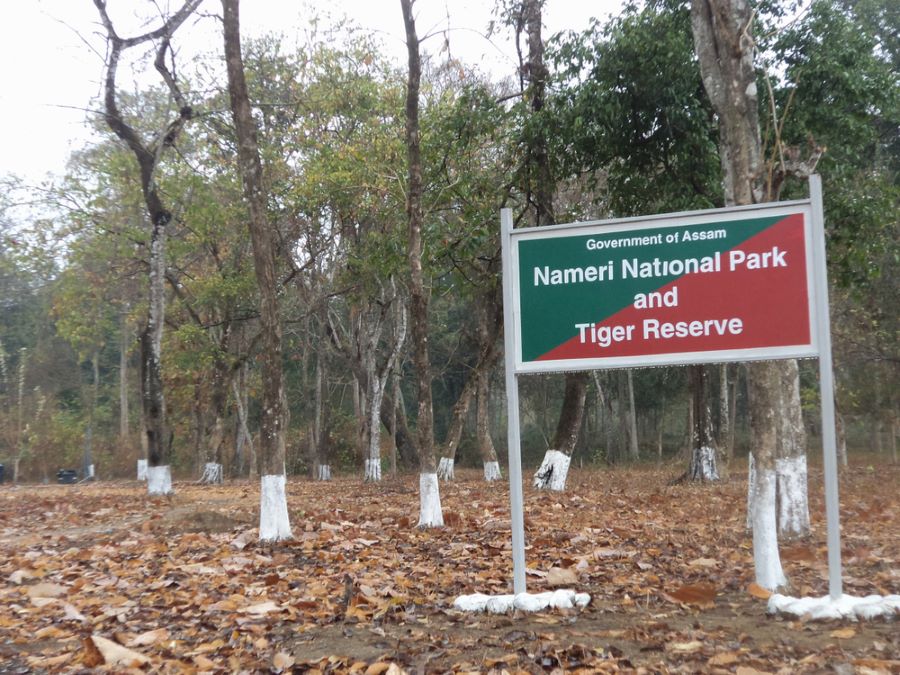
6. Nameri National Park
Source: Shutterstock
Nameri National Park has Arunachal Pradesh bordering Pakhui WLS, and is a paradise to birdwatchers and anglers (catch-and-release).
-
Location: Sonitpur District
-
Area: 200.00 sq. km
-
Notified: 1998
-
Best Time to Visit: November to March
-
Nearest City: Tezpur (35 km)
Key Wildlife at Nameri National Park
| Category | Species / Details |
| Mammals | Tiger, Leopard, Elephant, Dhole (Wild Dog) |
| Birds | Ibisbill, White-winged Wood Duck, Great Pied Hornbill |
| Flora | Deciduous forests, riverine grasslands with Cane and Bamboo |
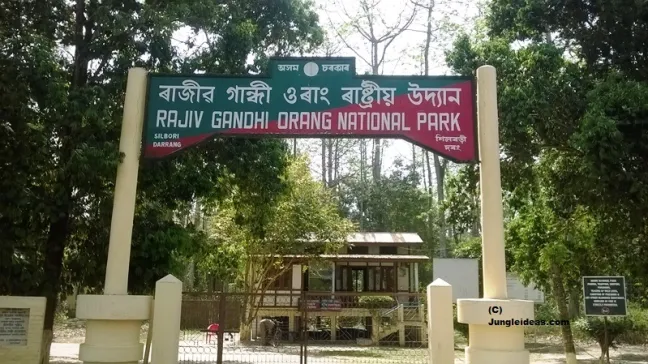
7. Rajiv Gandhi (Orang) National Park
Source: kaziranganationalparkassam
This national park is often referred to as Mini Kaziranga because it has many of the same landscapes and a large concentration of rhinos as found in Kaziranga, and is found on the north bank of the Brahmaputra.
-
Location: Darrang and Sonitpur Districts
-
Area: 78.81 sq. km
-
Notified: 1999
-
Best Time to Visit: November to April
-
Nearest City: Tezpur (60 km)
Key Wildlife at Orang National Park
| Category | Species / Details |
| Mammals | Rhinoceros, Tiger, Hog Deer, Malayan Giant Squirrel |
| Birds | Pelican, White Pelican, Adjutant Stork |
| Flora | Bombax ceiba, Dalbergia sissoo, Phragmites karka |
What is the "Big Five" Connection with Assam?
Assam is famous for its "Big Five" of wildlife. Although Africa has its own Big Five, the Kaziranga and other nearby parks are also known to have their own:
-
Greater One-horned Rhinoceros
-
Royal Bengal Tiger
-
Asian Elephant
-
Wild Water Buffalo
-
Swamp Deer (Barasingha)
The conservation exercise in these parks, especially the achievements of safeguarding the Rhinoceros against poaching, has earned Assam a worldwide example on managing wildlife.
The jewels of the natural heritage of India are the National Parks of Assam. These parks protect species that can be found nowhere else on the planet. These species are the sprawling alluvials of Kaziranga to the dense, damp canopy of Dihing Patkai.