Valleys are low-lying landforms formed between mountains or hills due to geological processes. They are created by river erosion, tectonic activity, or glacial movement. Valleys often support agriculture due to fertile soil and water availability. Many valleys are also known for their scenic landscapes and biodiversity. Among all valleys, one stands out as the largest in Asia.
Largest Valley in Asia
The Great Rift Valley is considered the largest valley in Asia and one of the most extensive geological features in the world. This massive valley system stretches across multiple regions and is formed due to tectonic plate movement. It covers a vast geographical area and includes several lakes, mountains, and volcanic regions. Its formation is linked to the separation of Earth’s crust over millions of years.
Largest Valley in the World
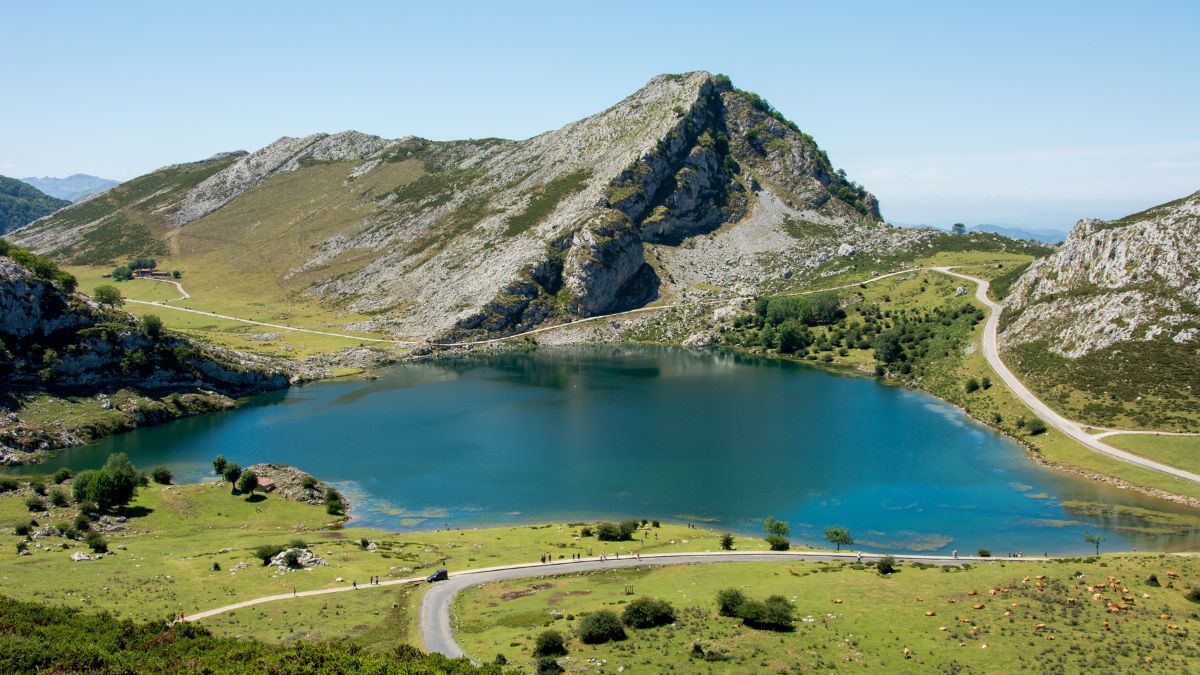
The Great Rift Valley is also recognised as the largest valley in the world. It extends for thousands of kilometres, passing through several countries. The valley was formed due to the movement of tectonic plates, creating a long depression in the Earth’s surface. It includes important natural features such as lakes, rivers, and volcanic mountains. This makes it one of the most significant geological structures globally.
Formation of the Largest Valley
The formation of the Great Rift Valley is the result of tectonic activity. Movement of Earth’s plates caused the crust to crack and sink, forming a long valley. This process occurred over millions of years. Volcanic activity in the region also contributed to its structure. The valley continues to evolve due to ongoing geological changes.
Major Features of the Valley
The Great Rift Valley includes several lakes, such as freshwater and saline lakes. It also contains volcanic mountains and plateaus. The valley supports diverse ecosystems and wildlife habitats. Fertile regions within the valley support agriculture. Its unique geological features attract scientific research and tourism.
Importance of Valleys in Asia
Valleys in Asia play a major role in agriculture and human settlement. Fertile soil and water sources make valleys suitable for farming. Many ancient civilizations developed in valley regions. Valleys also support biodiversity and natural ecosystems. Their geographical importance makes them key landforms in the continent.
Interesting Facts About the Largest Valley in Asia
One of the Longest Geological Structures
The Great Rift Valley stretches for thousands of kilometers, making it one of the longest valley systems in the world.
Formed by Tectonic Plate Movement
The valley was created due to the separation of Earth’s crust, forming a deep depression.
Contains Several Lakes
The valley includes many lakes that support aquatic ecosystems and wildlife.
Active Geological Region
The region still experiences tectonic and volcanic activity, showing that it is still evolving.
Extends Across Multiple Regions
The Great Rift Valley passes through several regions and countries, making it geographically significant.
Read more: Which is the Deepest Lake in the World?