-1772084759667.webp)
Show Key Points
Coconut is one of the most economically important tropical crops in the world, widely used for food, oil, fiber, beverages, and industrial products. It thrives in warm coastal environments and plays a vital role in tropical agriculture. Several countries cultivate coconuts extensively, but one Southeast Asian nation stands out for its massive coconut coverage and global production role. Due to its dense coconut plantations and deep economic dependence on the crop, one country is widely recognised as the Land of Coconut Trees.
Land of Coconut Trees
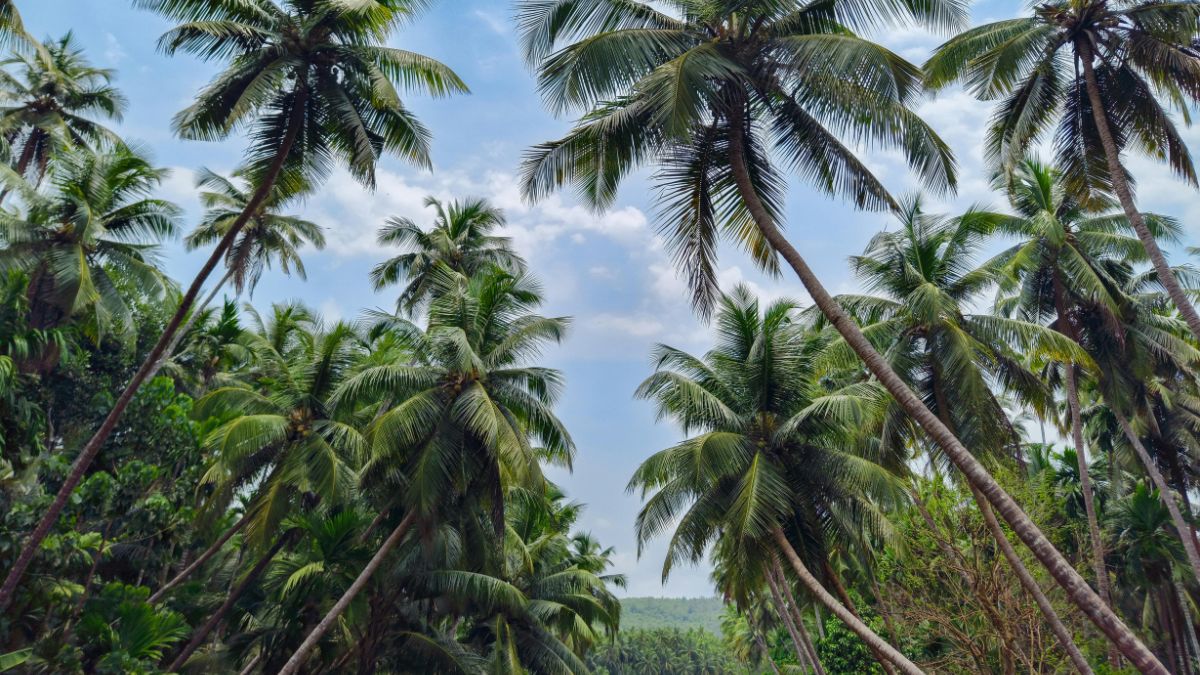
The Philippines is known as the Land of Coconut Trees. Coconut palms grow across a vast portion of the country’s agricultural land and island landscapes. The crop is deeply integrated into rural livelihoods, food systems, and export industries. Coconut cultivation not only supports domestic consumption but also contributes significantly to the country’s agricultural trade and economic stability.
Where Is the Land of Coconut Trees Located?
The Philippines is located in Southeast Asia in the western Pacific Ocean and consists of thousands of tropical islands. Its geographic position near the equator ensures warm temperatures, high humidity, and abundant rainfall throughout the year. These climatic conditions allow coconut palms to grow continuously across coastal plains, lowlands and island environments. The country’s archipelagic structure further supports widespread coconut cultivation across multiple regions.
Why Is the Philippines Called the Land of Coconut Trees?
The country earned this title due to its extensive coconut plantations and dominant role in global coconut production. Coconut palms are one of the most visible features of the national landscape, especially in rural and coastal areas. Historically, coconut farming has been a central agricultural activity for generations. The crop’s widespread distribution and economic importance have made coconut cultivation a defining feature of the country’s identity.
Climate and Soil Suitable for Coconut Cultivation
Coconut trees require warm temperatures, consistent moisture, and well-drained soil to grow efficiently. The Philippines provides ideal agro-climatic conditions, including tropical heat, seasonal monsoon rainfall, and coastal soil types. Sandy and alluvial soils along the coastline support strong root development and healthy palm growth. The long growing season and absence of harsh winters allow continuous cultivation and stable production cycles.
Agricultural Importance of Coconut in the Philippines
Coconut is one of the most important plantation crops in the country and supports millions of farmers and agricultural workers. It plays a major role in rural employment, food processing industries, and small-scale farming systems. Coconut-based products are widely used in cooking, manufacturing, and traditional practices. The crop contributes significantly to agricultural income generation and national food-related industries.
Global Role in Coconut Production and Export
The Philippines ranks among the world’s leading producers and exporters of coconut products. Key exports include coconut oil, copra, desiccated coconut and processed coconut food items. These products are widely used in international food, cosmetic, and industrial markets. The country’s strong export network reinforces its global agricultural influence and positions it as a major supplier in the coconut economy.
Interesting Facts About the Land of Coconut Trees
Extensive Coconut Coverage
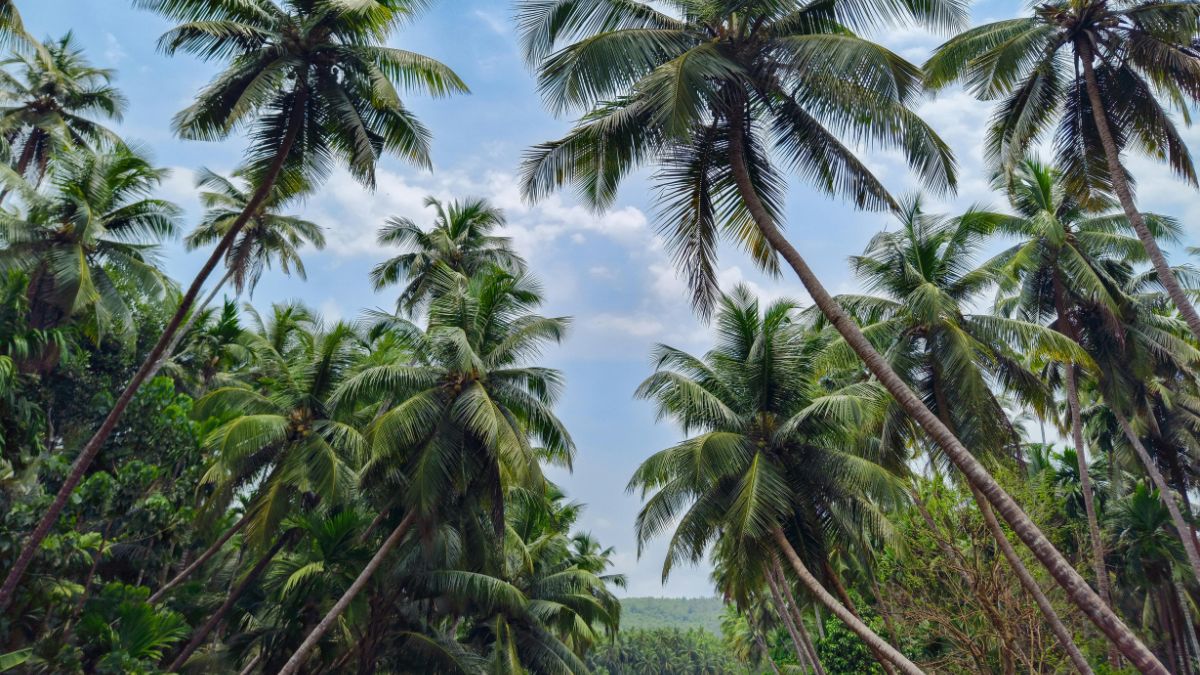
Millions of coconut palms grow across the country’s islands, making coconut one of the most widespread plantation crops in Southeast Asia.
Tree of Life Significance
The coconut palm is often called the “Tree of Life” because nearly every part of the tree has economic or practical use, from fruit to fiber and leaves.
Coastal Agricultural Dominance
Coconut plantations are especially concentrated in coastal and lowland regions where tropical conditions remain stable year-round.
Major Export Contributor
Coconut-based products form an important share of agricultural exports and contribute to international trade revenue.
Continuous Tropical Production
Unlike seasonal crops, coconut palms produce throughout the year due to stable tropical climate conditions.
Cultural and Culinary Importance
Coconut is widely used in traditional cuisine, local industries and everyday household applications across the country.
Read more: Which Country Is Known as the Land of Rice?
The Philippines is known as the Land of Coconut Trees due to its vast coconut plantations, ideal tropical climate and strong global role in coconut production and export.





Comments
All Comments (0)
Join the conversation