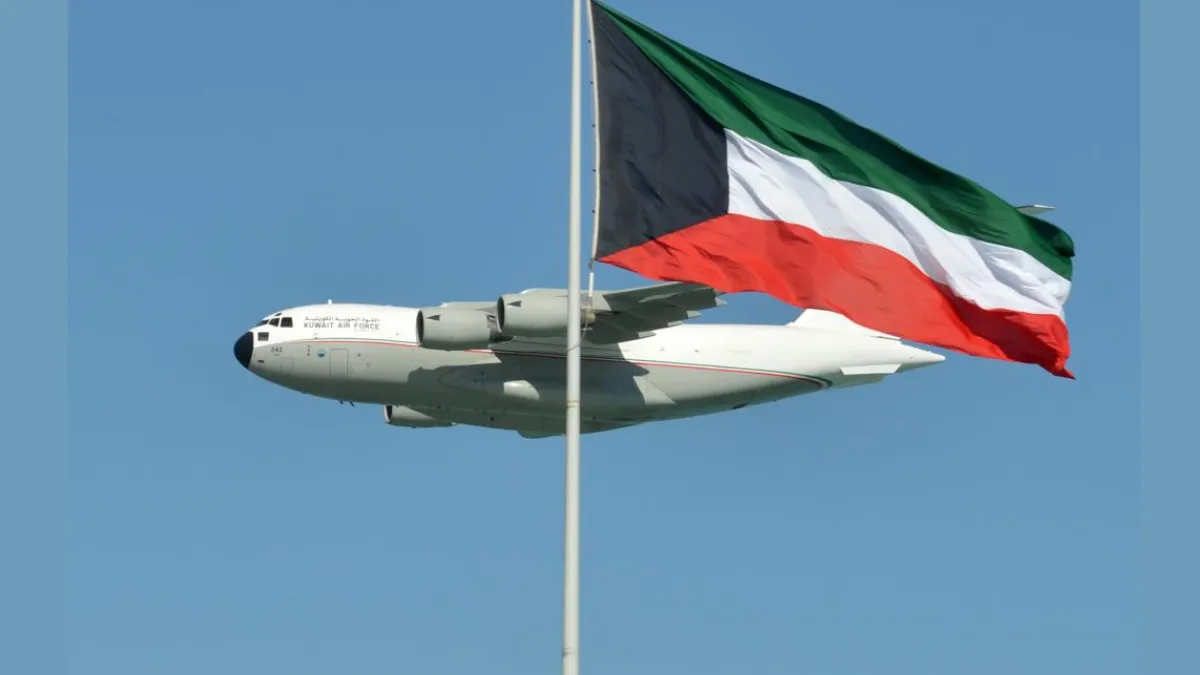
Kuwait Liberation Day is a day of intense national pride as it is considered the date on 26 February 1991 when Iraqi troops had to go after a seven-month occupation started in August 1990.
Unprovable invasion of Iraq by Iraqi President Saddam Hussein aimed at appropriating oil prosperity of Kuwait and settling border disputes, which resulted in extensive acts of atrocities and looting, as well as execution of people who opposed the invasion.
The emir, Sheikh Jaber Al-Ahmad Al-Sabah escaped to Saudi Arabia and formed a government in exile which gained international backing by speaking at the UN and forming alliances.
This day is not only a military triumph but also a Kuwaiti integrity and efficacy of diplomacy supported by armory. The affixation of flags and fireworks to commemorate fallen heroes as a tribute by Kuwaitis empowers ideals about sovereignty in the Gulf region.
Why is Kuwait Liberation Day Celebrated?
The oil fields of Rumaila and the Warbah/Bubiyan islands had been the source of tension between Iraq and Kuwait over decades, enhanced by the debt at the post-Iran-Iraq War.
On August 2, 1990, the Iraqi forces crossed the border in the early morning and in a few hours Kuwaiti forces were overpowered by Iraqi troops and Kuwait City was taken captive. Saddam Hussein had put in place a puppet government, ransacked banks, burned oil wells and deported thousands aiming to make Kuwait Iraq's 19th province by August 8.
The world community reacted with alacrity: on August 3, UN Security Council resolution 660 denounced the invasion, and was followed by economic sanctions under Resolution 661.
The Kuwaiti leadership, in exile, organised the opposition and support by making the crisis a challenge to Arab and world order.
What is the Story Behind the Invasion?
The attack was fast: At 2:00 AM on August 2, the Republican Guard elite units and tanks T-72 were able to penetrate the border, where the emir fled just in time, the Dasman Palace. By noon, the Iraqi troops had taken over major installations, airports and the capital, with very little organized resistance owing to numerical power.
Mass arrests, summary execution and sabotage of the environment saw civilians endure as Iraq discharged crude oil into the Gulf. On August 28, Saddam appeared on Kuwaiti TV saying it was annexed and UN Resolution 662 made it null.
This seven-month period experienced Kuwait families concealing radios where they could receive the BBC news, as a representation of the undefeated spirit under the occupation's cruelty.
What was the International Response?
The Kuwaiti opposition was also complex: Underground cells worked on sabotage of the supply lines of the Iraqi forces, women smuggled food and intelligence, and popular committees printed leaflets.
The government in exile headed by Crown Prince Sheikh Saad Al-Abdullah gained Arab league condemnation and GCC funding. UN resolutions began to gather steam around the world, with 678 sanctioned forces authorized by January 15, 1991, and 500,000 troops in the coalition under Operation Desert Shield based in Saudi Arabia.
The US, UK, France and others established a 30 nation coalition; much of the work, including billions of dollars, was funded by Kuwait. The hospitality of King Fahd and the address of the UN by Sheikh Jaber sparked off backing and transformed isolation to determination.
What is the Significance of Kuwait Liberation Day?
The spirit of Kuwaiti resilience is in Liberation Day which commemorates 1500 martyrs and the foreign policy of exile leadership. It is combined with the national day (February 25), which establishes the independence of Iraq (1961) and the British as well, which contributes to the national identity.
It underscores the effectiveness of multilateralism through the means of UN and coalition decision making, discouraging any future aggressions in the Gulf.
It reintroduces a spirit of reconstruction, which invested more than 100 billion dollars in the country after the war, and philanthropy of the Kuwaiti kind, which is manifested in international assistance of the emirate.
Modern Celebrations
-
Further on, February 26 is a government day with four days off; there are parades, laser shows at the Kuwait Towers and fireworks.
-
Families also feast, schools also quiz about what happened in 1991 and Amiri Diwan salutes veterans.
-
In 2026 during its 35th anniversary, KUNA covers countrywide celebrations with a focus on educating young people about heritage.
-
Sheikh Jaber Cultural Center has cultural events with documentaries and exhibits of occupation items that are somewhat somber and joyful.
Kuwait Liberation Day is one of the bright lights of self-governance that was restored because of togetherness and alliances. Its history defines the success and alertness of modern Kuwait such that the lessons of history are to be remembered and passed on to the future generations.
Read more: Which Country Is Known as the Coffee Bowl of the World?




Comments
All Comments (0)
Join the conversation