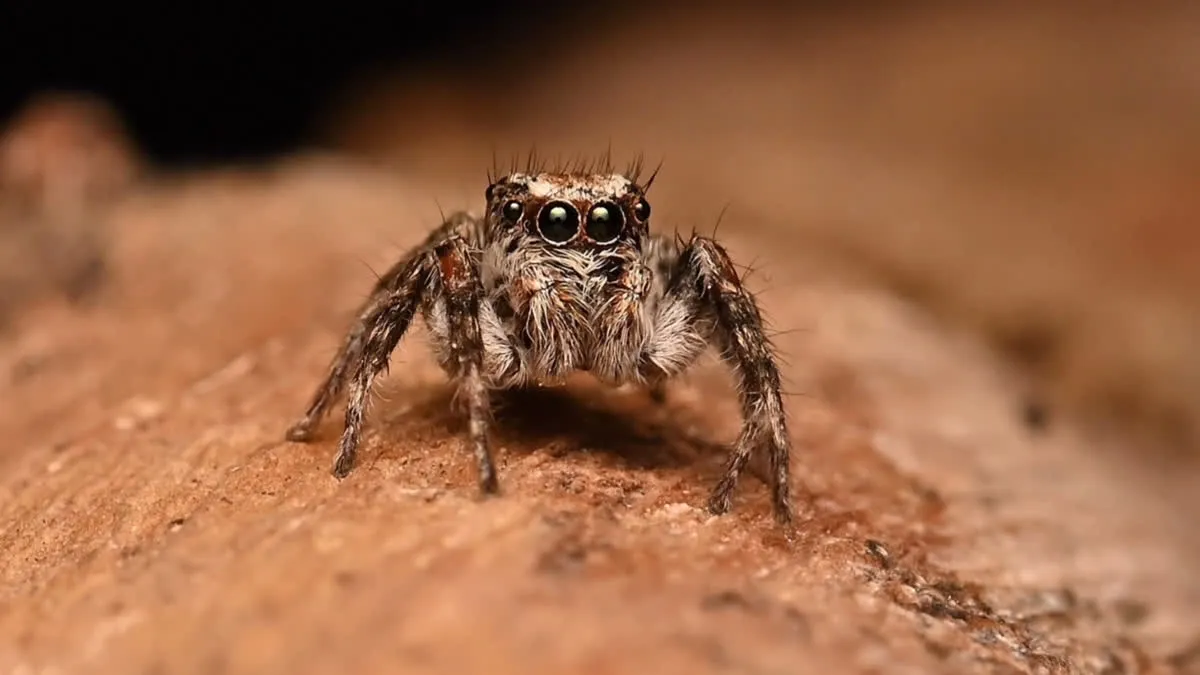
The unveiling of two new jumping spider species, Mogrus shushka and Mogrus pune, in various environments in Rajasthan, Gujarat and Maharashtra highlights the rich biodiversity discoveries in India as of April 2026. This discovery reveals the diversity of spiders in both deserts and city parks.
What was the Discovery?
The researchers discerned the species using detailed taxonomic studies of microscopic features, especially the male reproductive organs (palpal organs) which are dissimilar (one triangular, one curved or heart-shaped) despite their physical similarities.
The findings, "Discoveries of two new Mogrus species (Araneae: Salticidae) and notable records from India", published in the European Journal of Taxonomy, confirm their novelty within the Salticidae family, which has keen vision and leaping hunting style.
The new species are part of the genus Mogrus, adding to India's spider fauna.
Habitats and Locations of the New Species
Mogrus shushka is found in hot, dry regions of Rajasthan and Gujarat, where it tolerates low humidity and aridity. By contrast, Mogrus pune is found in urban biodiversity parks in Maharashtra, highlighting urban green spaces' importance for endangered species.
These sites represent India's diverse habitats, including hot, arid regions and the outskirts of cities.
Significance for Biodiversity
The discovery highlights the need to explore the Indian fauna, even in accessible regions, through more field work and policy orientation on micro-ecosystems, such as urban parks. Jumping spiders (Salticidae) are the most diverse spider family, helping to control pests through predation.
It compliments recent work by ZSI, like the Asemonea dentis and Colyttus nongwar discoveries in Meghalaya published in Zootaxa.