Show Key Points
The role of the Governor is a cornerstone of the Indian federal structure. As the constitutional head of a state, the Governor acts as a bridge between the State Executive and the Union Government. These appointments, made under Article 155 of the Constitution, are essential for ensuring the smooth functioning of state administration.
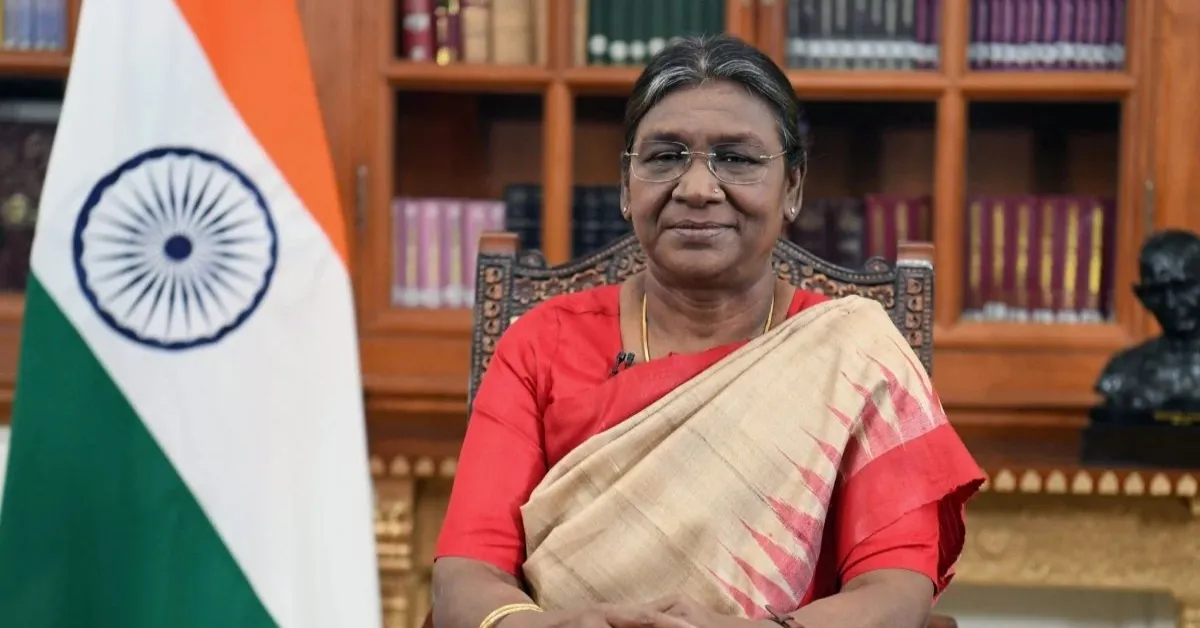
In 2026, President Droupadi Murmu appointed and transferred several Governors and Lieutenant Governors (LGs) across India. This reshuffle involves a strategic mix of veteran legislators, retired military officials, and elite diplomats. Notable changes include Shiv Pratap Shukla’s move to Telangana, Lt. Gen. (Retd.) Syed Ata Hasnain’s appointment in Bihar, and the transition of Taranjit Singh Sandhu as the LG of Delhi.
New appointments of 9 States and UT’s reflect a strategic alignment of experienced leaders to oversee legislative processes, state universities, and regional security, particularly in sensitive zones like Ladakh and Nagaland.
List of Newly Appointed Governors In Indian States and UTs, 2026:
| S. N | State / Union Territory | Name of the Governor / LG | Previous Role / Background |
| 1. | Maharashtra | Shri Jishnu Dev Varma | Transferred from Telangana Raj Bhavan. |
| 2. | Telangana | Shri Shiv Pratap Shukla | Transferred from Himachal Pradesh. |
| 3. | West Bengal | Shri R.N. Ravi | Transferred from Tamil Nadu; replaces Dr. C.V. Ananda Bose. |
| 4. | Nagaland | Shri Nand Kishore Yadav | Former Speaker of the Bihar Legislative Assembly. |
| 5. | Bihar | Lt. Gen. (Retd.) Syed Ata Hasnain | Distinguished military veteran and strategic expert. |
| 6. | Tamil Nadu | Shri Rajendra Vishwanath Arlekar | Governor of Kerala (Additional Charge/Transfer). |
| 7. | Himachal Pradesh | Shri Kavinder Gupta | Former Deputy CM (J&K) and LG of Ladakh. |
| 8. | Ladakh (UT) | Shri Vinai Kumar Saxena | Transferred from the Lieutenant Governorship of Delhi. |
| 9. | Delhi (NCT) | Shri Taranjit Singh Sandhu | Former Indian Ambassador to the United States; Veteran Diplomat. |
Roles and Responsibilities of Governor:
-
Discretionary Powers: Governors have the power to invite a party to form the government in case of a hung assembly and to report to the President regarding the failure of constitutional machinery (Article 356).
-
Chancellor of Universities: By virtue of their position, Governors serve as the Chancellor of state-funded universities, playing a critical role in the higher education ecosystem.
-
The UT Distinction: Unlike State Governors, the Lieutenant Governors of Delhi and Ladakh hold more direct executive authority, particularly over matters like land and public order, acting as the primary representative of the Central Government.
Constitutional Provisions for the Office of the Governor
The office of the Governor is governed under Part VI of the Indian Constitution and
-
Article 153: Mandates that there shall be a Governor for each State.
-
Article 155: States that the Governor of a State shall be appointed by the President by warrant under his/her hand and seal.
-
Article 156: The Governor holds office during the pleasure of the President. The standard term is five years, but they can resign or be removed earlier.
-
Article 157 & 158: Define the eligibility criteria: the person must be a citizen of India, at least 35 years of age, and must not hold any "office of profit" or be a member of Parliament/State Legislature.
-
Article 161: Grants the Governor the power to grant pardons, reprieves, or remissions of punishment in matters relating to state laws.
-
Article 163: Establishes a Council of Ministers with the Chief Minister at the head to aid and advise the Governor, though the Governor has certain discretionary powers.
-
Article 239: Relates to the administration of Union Territories, where the President appoints an Administrator or Lieutenant Governor (like in Delhi and Ladakh) to act on their behalf.



Comments
All Comments (0)
Join the conversation