Show Key Points
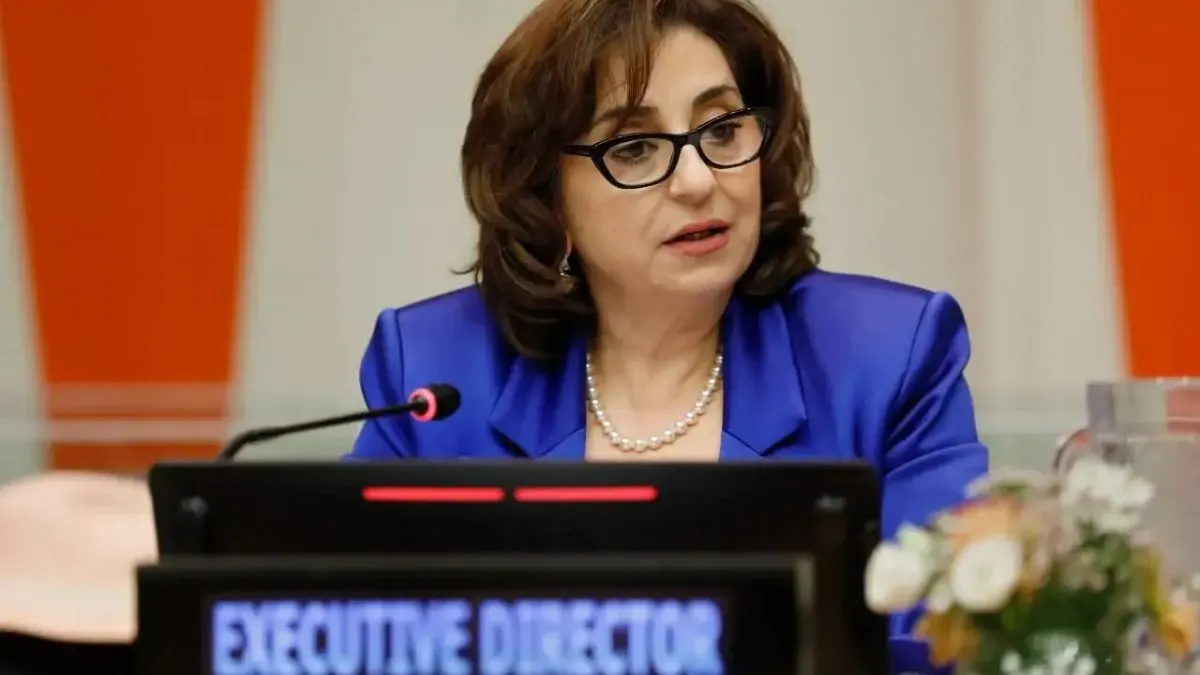
On International Women's Day, Sima Bahous, Executive Director of UN Women, released an urgent call to action to governments, communities and organisations worldwide to increase efforts towards achieving gender equality.
She stated that despite the progress made over time, there are still millions of women and girls in every country who face gender-based discrimination and gender-based violence and do not have equal access to opportunities.
In addition to calling on all leaders around the world to turn their commitment into action, she emphasised that this is not only a moral obligation but that it is also vital to long-term sustainable development, global peace and stability.
Her message is an important reminder of the significant progress that has been made thus far and my, as well as yours, motivation to "keep pushing to address that which still needs to be done."
Check Out: F1 Australian Grand Prix 2026: Qualifying Results, Pole Winner and Key Highlights
Around the world, women and girls are claiming their rights, demanding justice, and taking action.
— UN Women (@UN_Women) March 7, 2026
💥 But backlash is growing.
📈 Violence is rising.
🚫 Impunity is spreading.#IWD2026 calls for more than words.#ForAllWomenAndGirls, we won't stop until equality is a reality! pic.twitter.com/1MKpxQCWmp
A Call to Accelerate Gender Equality
Accelerating progress on the road to gender equality has been highlighted by Bahous in her speech, stating that without continued action towards achieving gender equality, the world cannot afford to slow down.
Many countries still place barriers in the way of women and girls' access to education, jobs, and personal safety, and the implementation of legislation will help countries to overcome barriers that limit women and girls’ full participation in society.
Highlighting Global Challenges
Bahous called for governments to invest in programs that promote education, provide economic opportunities, and create legal protections for women, so they can achieve equality not just see it as a future goal.
In addition, Bahous pointed out that women are not only facing overwhelming obstacles but are also being disproportionately impacted by the multiple crises currently affecting the world.
Crises such as economic uncertainty and conflicts, climate change, and the digital divide are all regularly affecting women and deepening the existing divide related to gender equality.
Conclusion
During humanitarian crises, women are often the most affected by these issues, yet their voices and opinions are frequently overlooked when creating rules and regulations.
With this in mind, Bahous stated that inclusive leadership and policies are necessary to create more resilient and equal societies.



Comments
All Comments (0)
Join the conversation