Delhi University May Offer FYUP Programme Fourth Year Only At Select Colleges Amid Low Enrolment


The letter mentioned that only 30 per cent students enrolled in the 2025-2026 session’s fourth year of the programme, while in the 2026-2027 session, only a limited number of students showed interest in continuing their fourth-year.
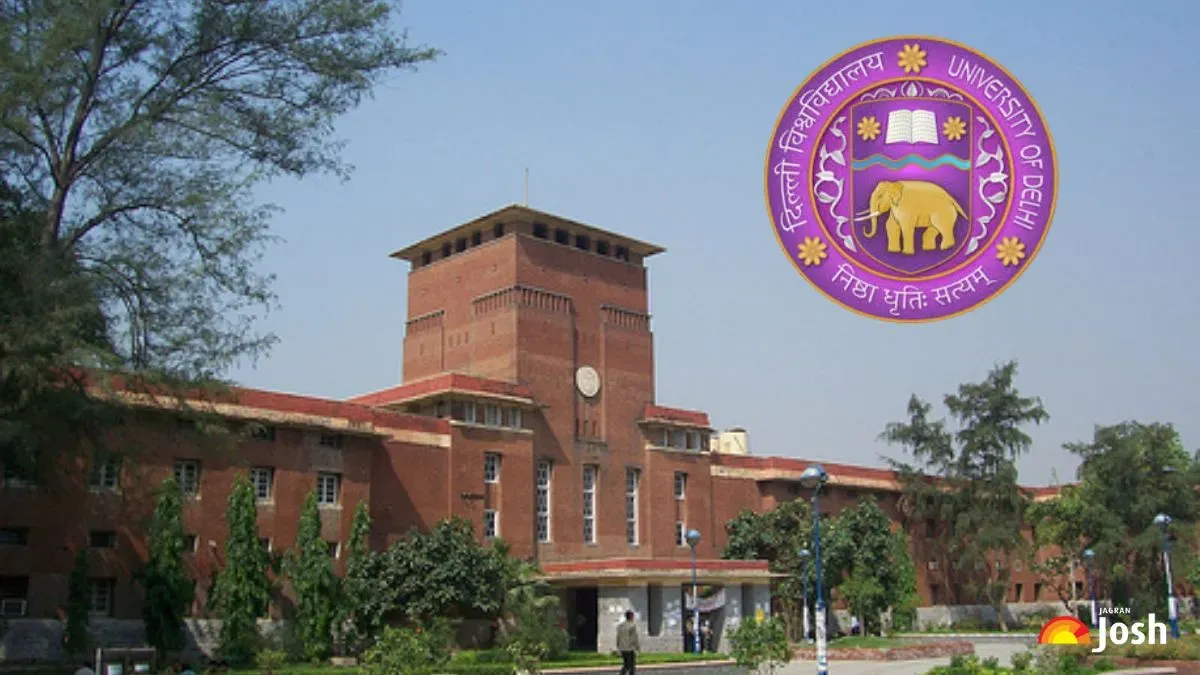
The University of Delhi (DU) is considering to offer the fourth year of its Four-Year Undergraduate Programme (FYUP) only via a select number of colleges instead of every affiliated colleges, bringing a major overhaul in the National Education Policy (NEP) 2020-mandated programme, the Times of India reported. The change was suggested by the Delhi University’s Principals’ Association (DUPA), following reports of low enrolment, leading to major concerns over the financial and administrative capacity of the programme.
The Classes for the fourth-year will run with the help of multiple colleges, allowing the university to pool faculty and infrastructure, instead of running separate batches at every institution.
"Under NEP, students already have the flexibility to exit after different stages. For those opting to continue to the fourth year, we can create combined batches of students from different colleges and hold classes at a designated location. There is no need for students to formally migrate from one college to another if their college is not among those identified to offer the fourth year," registrar Vikas Gupta told TOI.
Decision To Be Taken Following Admission Process Completion
Gupta said the admission process is currently ongoing and the university will take decision following the release of final enrolment data.
'Based on the data, if the situation warrants it, we will positively consider the suggestion," he added.
30% Students Enrolled In Fourth-Year of The FYUP Programme
DUPA Secretary Savita Roy, on July 10, sent a letter to the dean of colleges, with copies to the dean (academics) and the registrar, which later lead to the proposition the overhaul. The letter mentioned that only 30 per cent students enrolled in the 2025-2026 session’s fourth year of the programme, while in the 2026-2027 session, only a limited number of students showed interest in continuing their fourth-year.
"Based on the enrollment data for the academic year 2025-26, approximately 30% of students opted for the fourth year of the UG programme. However, for 2026-27, only a limited number of students have, thus far, expressed interest in continuing to their fourth year," the letter said.
Sustainability of Programme
To ensure the sustainability of the programme, DUPA urged the university to “identify and designate selected” colleges to offer specific fourth-year programmes based on infrastructure, faculty strength, student demand and academic resources. The association said it may not be financially and academically feasible for all colleges to offer the course, especially when the enrollment is low.
The proposed overhaul, if implemented, will bring the first change in the university’s fourth-year programme introduced under the NEP. Colleges, according to TOI, reported challenges with infrastructure, with several of them needing to arrange additional funds to accommodate the extra academic year. The model will help colleges with infrastructure needs, while also ensuring students complete their programme from multiple campuses.
Sahil Behl is an education journalist at Jagran with over a year of experience in journalism. Prior to joining Jagran, he worked as a Sub-Editor in NDTV's Education department, where he was responsible for writing and editing education-related content as well as managing the department's social media presence. At Jagran, he covers a wide range of education topics, including board examinations, school updates, admissions, and job notifications, while leveraging his editorial expertise and strong understanding of digital content strategy.
Sahil holds a Bachelor's degree in Business Administration and has also completed an eight-month certification program in Data Science. Passionate about emerging technologies, particularly artificial intelligence, he closely tracks their growing role in journalism and explores how they are transforming shaping the future of the media industry.