Which River is Known as Lifeline of Delhi?
The Yamuna is widely recognized as the primary lifeline of Delhi. Supplying over 70% of the city’s drinking water, this vital waterway currently faces severe ecological stress from urban drains. Recent environmental assessments highlight ongoing efforts alongside persistent pollution challenges across the National Capital Region.
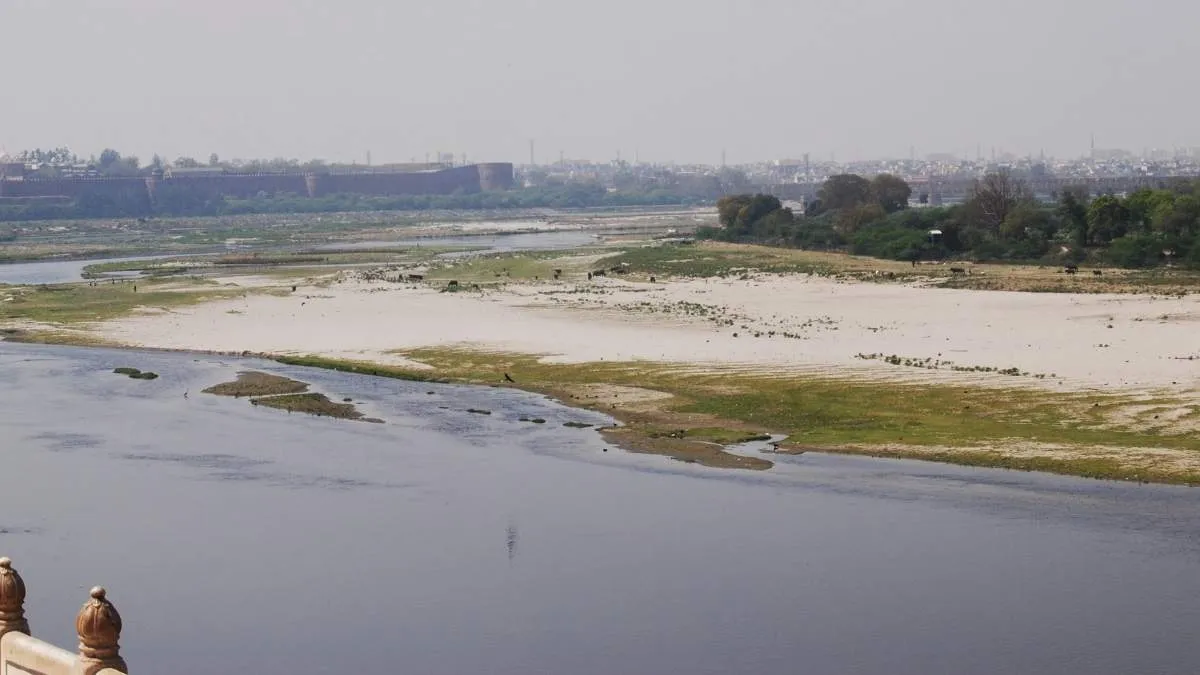
The Yamuna River stands out when asking which river is known as lifeline of delhi. The river practically meets over 70% of the raw drinking water demands of India’s capital city and the regions nearby.
Delhi Pollution Control Committee (DPCC) in its various reports on the present state of Yamuna River in Delhi NCR region has mentioned that the river is under enormous pressure at downstream due to monsoon inflow for years.
The river Palla village shows good parameters but biological oxygen demand increases drastically once urban drains discharge into the main stream.
The answer to why Yamuna is still called lifeline of delhi is credited both for its historical importance and the urgent need for sustainable conservation across the NCR.
Why Yamuna River is Called the Lifeline of Delhi?
The Yamuna earns its reputation as the lifeline of Delhi and its vital artery due to several contributing factors:
- Drinking Water Needs: The river provides the Delhi Jal Board with more than 70% of the drinking water it supplies to millions of citizens each day.
- Agricultural Support: Surrounding rural belt zones in the Delhi NCR rely heavily on its canal system for crop irrigation.
- Cultural Significance: Millions gather along its ghats annually for major traditional festivals and rituals especially during Chhat Pooja.
What is Course of Yamuna River Flow?
The course of yamuna river tells a lot about how it connects Northern India as one of the largest rivers of India:
Yamuna originates from the Yamunotri Glacier at an elevation of 6387 meters in the Lower Himalayas of Uttarakhand.
Then it flows 1376 kilometers south. The journey marks its entry in Delhi at Palla, Yamuna takes its exit at Okhla Barrage after traversing 22 kilometers.
The final course of Yamuna River happens when it flows past Agra and Mathura before merging into the Ganges at Triveni Sangam in Prayagraj.
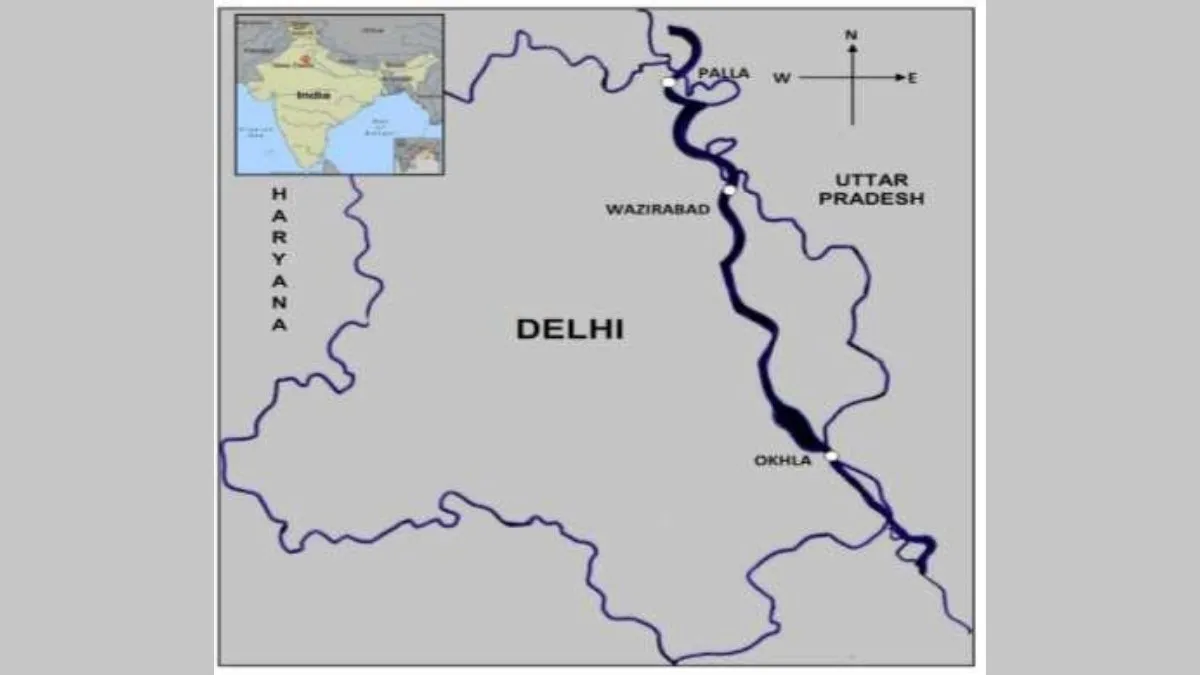
Flow of Yamuna River in Delhi (Photo Credit: researchgate.net)
Why Yamuna River is Called Dead River in Delhi NCR?
Despite its critical role experts often debates on why Yamuna river is called dead river along its 22 kilometer Delhi stretch.
| Yamuna River Stretch in Delhi NCR | Main Environmental Challenge | Impact on Ecosystem |
| Wazirabad to Okhla | 22 major urban drains discharge untreated waste | Dissolved oxygen drops to zero mg/L |
| Industrial Hubs | High phosphate and detergent runoff | Heavy toxic foam formation during dry spells |
| City Outflow (Asgarpur) | Faecal coliform exceeds safety limits significantly | Prevents natural aquatic life survival |
Between Wazirabad and Okhla, he river receives nearly 80% of its total pollution load while making up less than 2% of its length.
Without continuous environmental flow the stretch of Yamuna loses its self purifying capacity during non monsoon months.
What Other Rivers Flow Through Delhi NCR?
The Yamuna dominates the river map of India in Delhi NCR region. But other prominent rivers flowing in Delhi and seasonal streams complete the regional hydrologic network:
- Hindon River: A primary rain fed tributary passing through Ghaziabad and Noida before joining the Yamuna.
- Sahibi River (Najafgarh Drain): Historically a natural river and now functioning primarily as a major drainage channel emptying into the central stream.
Restoring the Yamuna requires coordinated sewage treatment upgrades and strict drain management to ensure Delhi's ultimate lifeline continues to sustain future generations.

Harshita Singh is an education and general knowledge journalist with over 5 years of experience in educational writing. Specializing in US affairs and GK, Harshita has a track record of breaking down intricate geopolitical and historical subjects into clear, digestible insights for learners. Her strong background in text analysis, coupled with a Bachelor of Arts (Hons) in English from the University of Delhi, helps her produce authoritative, thoroughly researched content that empowers readers to engage confidently with global current affairs. For inquiries or academic insights, you can reach out to her directly at harshita.singh@jagrannewmedia.com.