What is an Urban Flood? Causes, Effects and Prevention
What causes urban flooding and how can cities tackle it? Check the key causes, effects and practical prevention measures.
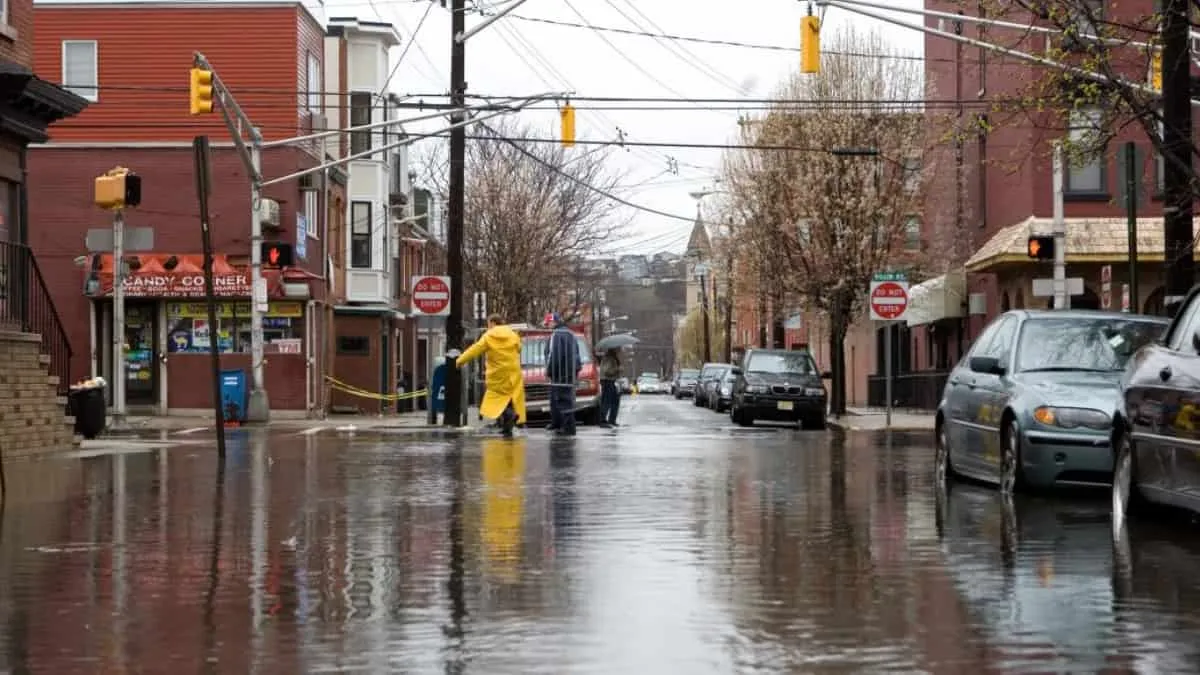
Floods are quite devastating and they cause huge loss to land and wildlife. However, floods not only occur near rivers or water bodies, some of them occur in the cities too.
These floods are known as urban floods and they happen when water fills up city streets, homes and other areas that are normally dry.
These floods occur after a few hours of heavy rainfall and the major reason they occur is because cities are covered with concrete and roads that do not let water soak into the ground.
What is an Urban Flood?
Urban flood happens when rainfall or excess water becomes too much for a city’s drainage systems to handle.
The water has no place to go and that is why it collects on the surface and increases flooding. This is quite different from river flooding because river floods happen when they overflow its banks after heavy rain.
River floods impact the nearby livelihood and rural areas. On the other hand, urban flooding happens inside cities.
Urban flooding majorly affects:
-
Roads and underpasses
-
Low-lying neighbourhoods
-
Basements
-
Metro stations
-
Residential and commercial areas
What are the Main Causes of Urban Flooding?
-
Heavy Rainfall: Intense rainfall is one of the biggest contributing factors to urban flooding. Cloudbursts or high rainfall produce more water than city drains were designed to handle.
-
Poor Drainage Systems: Many cities around the world have drains that are undersized. Moreover, some networks are even poorly maintained and that is why cities flood easily.
-
Encroachment on Natural Drainage Channels: Construction is done over drains, wetlands and floodplains. That is why the natural drainage gets covered up and excess water becomes stagnant.
-
Excessive Concrete Use: Roads, buildings, parkings use concrete in high amounts. These materials don’t allow seepage of water into the ground easily.
-
Blocked Drains and Improper Waste Disposal: Plastic and solid waste often clog drains. Even if there is a well-built drainage network, it stops working properly if its inlets are blocked.
-
Climate Change: Changing rainfall patterns and more frequent extreme rainfall events are increasing urban flood risk in many cities.
-
Loss of Wetlands and Water Bodies: Wetlands, ponds and lakes act as natural storage for excess rainwater. They have been reducing significantly and that is why flood risk is going up.
Urban Flooding vs River Flooding: What Is the Difference?
| Feature | Urban Flood | River Flood |
| Cause | Heavy rain in the city that overwhelms the drainage system | River overflowing its banks |
| Speed | Very fast | Usually slower |
| Area affected | Roads, buildings, low-lying city zones | Riverbanks and surrounding plains |
| Common trigger | Blocked drains or heavy rainfall | Heavy rainfall over a river basin |
What are the Effects of Urban Flooding?
Stagnant water is not the only problem that occurs with urban flooding. There are different effects that take place when an area faces an urban flood:
Immediate Effects
-
Waterlogging
-
Traffic disruption
-
Power cuts
-
Damage to homes and businesses
-
Road and infrastructure damage
Health Effects
-
Increased risk of water-borne diseases
-
Mosquito breeding
-
Unsafe drinking water sources
Economic Effects
-
Business closures
-
Damage to vehicles and property
-
Disruption of supply chains
-
Repair and recovery costs
Environmental Effects
-
Pollution of rivers and lakes
-
Sewage entering water bodies
-
Soil and ecosystem damage
-
Disruption of urban biodiversity
How to Prevent Urban Flooding?
There are various measures that can be taken to prevent urban flooding:
-
Improve Storm Water Drainage Increase drainage capacity where needed. Moreover, cleaning and maintenance of drains regularly is important.
-
Protection of Wetlands and Lakes: It is necessary to prevent water bodies and try to restore degraded lakes and wetlands.
-
Increase Green and Permeable Spaces: Parks, green belts, permeable pavements and open soil areas can help water seep into the ground instead of running off.
-
Build Rainwater Harvesting Systems: These systems capture rainwater locally, and can reduce the wastage of fresh rainwater. This can also help replenish the levels of groundwater.
-
Better Urban Planning: Avoid construction in high-risk flood zones and use flood-risk mapping in development plans. Preserve natural drainage paths.

Nikhil is a dedicated digital journalist and communications professional with more than five years of experience, currently working within the General Knowledge section at Jagran Josh. He has established himself as a subject matter expert in Finance, Economy, History, Technology, and Trending News, consistently delivering accurate, engaging, and easy-to-read content for a wide global audience.
Over the course of his career, Nikhil has developed deep expertise in crafting informative listicles, viral trending stories. His editorial portfolio also spans finance, historical research, and technology reporting, making him a versatile and well-rounded content professional. Every piece he produces reflects a strong balance between factual accuracy and reader engagement.