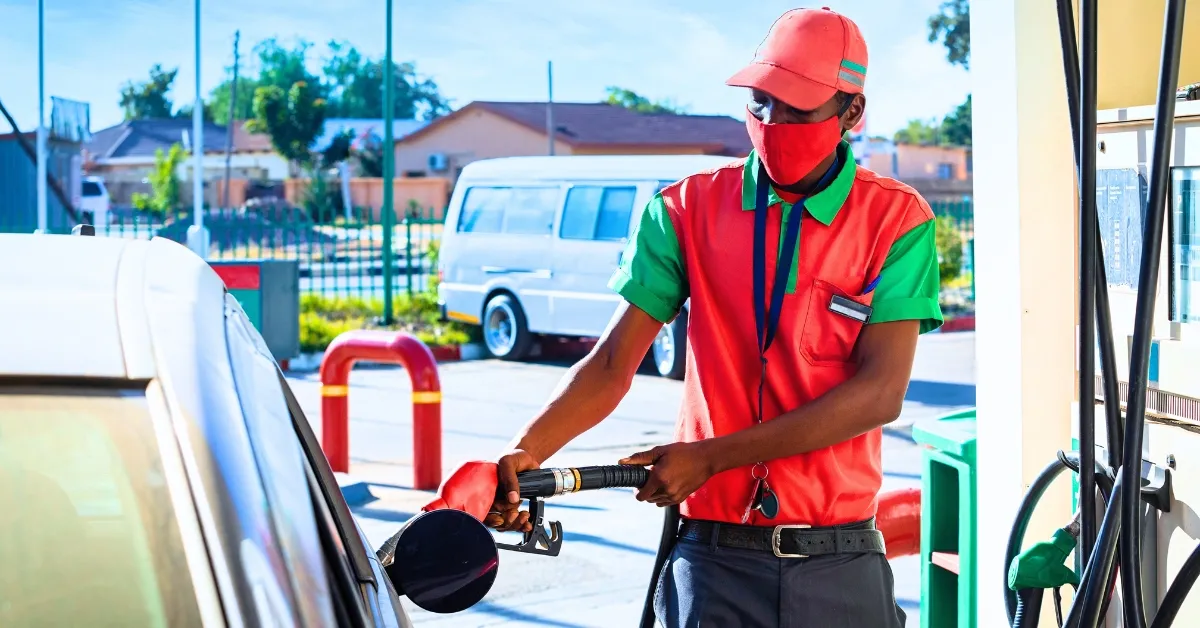
Premium petrol is a high-quality fuel designed for modern, high-performance engines. It comes from crude oil that is refined through a process called "cracking" and then mixed with special cleaning additives. Leading exporters like Saudi Arabia, the United States, and India (a major refiner) supply much of the world's fuel.
In recent news, premium petrol prices in India jumped by over ₹2 per litre today due to global tensions in West Asia pushing crude oil past $100 per barrel. In this article, we'll take a look at the key differences in performance, cost, and engine health.
ALSO READ: Where Is The World's Largest Natural Gas Field?
What is Premium Petrol?

In simple words, premium petrol is a "stronger" version of regular fuel. It is designed to handle more pressure inside an engine without exploding at the wrong time. This makes the car run more smoothly.
What are Octanes?
Octane is a number that tells you how stable the fuel is.
- Regular Petrol usually has an octane rating of 91.
- Premium Petrol typically has a higher rating, such as 95 or 97.
Think of it like a "strength" score: the higher the number, the better the fuel can resist "knocking" (a loud, harmful metallic sound in the engine).
How is it made?
The process begins with crude oil extracted from the ground. At the refinery, the crude oil is heated and separated into various liquid components. To produce premium fuel, engineers implement two key procedures:
- Extra Refining: They use a process called reforming to alter the molecules and increase octane levels.
- Additives: They mix in special chemicals (detergents) that clean the engine's internal parts while you drive.
Trade: Who Buys and Sells it?
- Exporters (Sellers): The USA, Saudi Arabia, and Russia are the biggest exporters of oil products. India is also a top exporter because it has some of the world's largest refineries.
- Importers (Buyers): China and India are the biggest importers of crude oil, which they then turn into premium fuel for their citizens.
Where is it used?
It is mostly used in:
- Luxury Cars: Brands like BMW, Mercedes, and Audi.
- Sports Cars: High-speed cars with powerful engines.
- Bikes: High-end sports bikes.
Why have the rates increased?
As of today, March 20, 2026, prices for premium brands like Speed and XP95 rose by about ₹2.35 per litre. The main reasons are the following:
- War in West Asia: Conflicts near the Strait of Hormuz (a narrow sea passage through which most oil travels) have disrupted supply routes.
- High Crude Costs: Global oil prices have crossed $100 per barrel, making it more expensive for companies to buy and process fuel.
What Makes Petrol "Premium"?
The main difference between regular and premium petrol is the Octane Rating. Think of octane as a measure of how much pressure the fuel can handle before it explodes.
| Feature | Normal Petrol | Premium Petrol |
| Octane Rating | Usually 87–91 | 95, 97, or even 100 |
| Additives | Basic cleaning agents | Advanced detergents |
| Engine Focus | Standard/Economy cars | Luxury/Sports cars |
| Price | Standard | More expensive |
Why Does It Matter?
- No "Knocking": Premium petrol prevents "engine knocking", a metallic pinging sound caused by uneven fuel combustion. This protects your engine from long-term damage.
- Cleaner Engines: Premium fuels often contain special detergents. These help wash away carbon buildup inside your engine, keeping it running like new.
- Better Performance: If you drive a car with a "turbocharged" or high-compression engine, premium fuel helps it reach its full potential.
WHAT'S NEXT: Top 10 Largest Oil-Producing and Consuming Countries



Comments
All Comments (0)
Join the conversation