Tamil Nadu Launches Five Renewable Energy Zones to Accelerate Green Projects
The Government of Tamil Nadu approves five dedicated Renewable Energy Zones under TNGECL to speed up wind and solar power projects, offering single-window clearance for green investors.
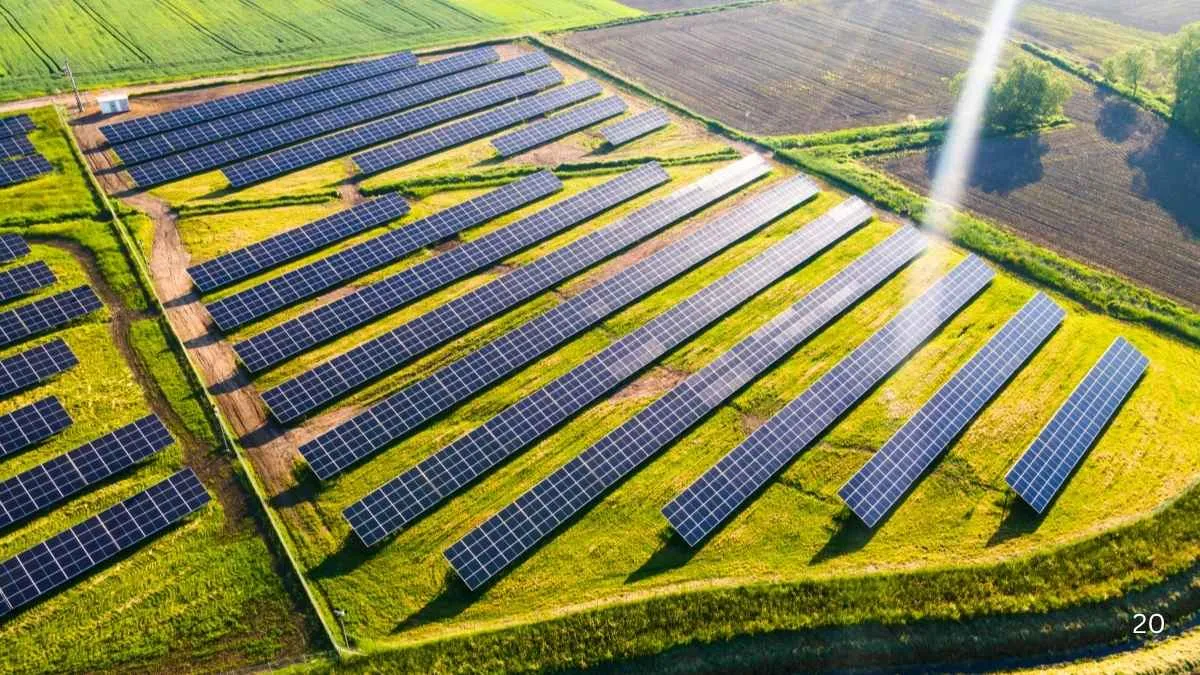
The Government of Tamil Nadu has officially approved the creation of five dedicated renewable energy zones. Spearheaded by the newly restructured Tamil Nadu Green Energy Corporation Limited (TNGECL). This move helps the fast-track approval processing, streamline solar and wind energy implementation and provide seamless coordination for investors across the state.
The state has phased out its legacy, centralized Non-Conventional Energy Sources (NCES) circle offices in Udumalpet and Tirunelveli to improve operational monitoring and eliminate regional delays. The five newly established zones have been deployed under the direct administration of Assistant Executive Engineers.
A centralized Project Planning and Monitoring Cell has been integrated directly into the Tamil Nadu Electricity Board (TNEB) headquarters in Chennai to ensure these regional zones work cohesively.
Here are the five new new zones correspond directly to local electricity distribution circles:
| Renewable Energy Zone | Regional Headquarters | Electricity Distribution Circles Covered |
| Northern Zone | Chennai | Chennai, Kancheepuram, Vellore and Tiruvannamalai |
| Central Zone | Tiruchirappalli | Tiruchirappalli, Villupuram and Thanjavur |
| Southern Zone | Tirunelveli | Tirunelveli region and adjacent local grids |
| Western Zone | Coimbatore | Coimbatore and the primary manufacturing belts |
| Delta / Central-South | Madurai | Madurai, Karurn and Erode |
Tamil Nadu Green Energy Corporation Limited (TNGECL) will be the Nodal Implementing Entity for the implementation of these new five zones.
TNGECL was formed via a merger of the Tamil Nadu Energy Development Agency (TEDA) and the renewable wing of TANGEDCO to streamline green governance under a unified company structure.
India aims to scale up to 500 GW of non-fossil fuel capacity by 2030. Tamil Nadu consistently leads the country in total installed wind power capacity, making this decentralization vital for national milestones.
What is the significance?
Tamil Nadu is addressing the key infrastructure and policy hurdles through three practical steps, such as single-window services for Green energy developers which now feature localised clearance centers that shorten the approval process for technical assessments and land inspections.
Tamil Nadu holds a concentration of India's older and low-capacity wind installations. These zones will expedite technical approvals for repowering replacing older turbines with modern, high-megawatt units on existing sites.
Coordination with the power evacuation infrastructure along with the assistant Executive Engineers will directly coordinate regional grid-linking infrastructure to ensure wind and solar power generated locally can enter the main grid smoothly with minimal transmission loss.
Other Government schemes related to the Renewable energy
-
Battery Energy Storage Systems (BESS) are crucial projects deployed locally to stabilize grid frequency when variable wind or solar supplies drop.
-
PM-KUSUM 2.0 (Pradhan Mantri Kisan Urja Suraksha evam Utthaan Mahabhiyaan) to accelerate the installation of standalone solar agricultural pumps to give farmers access to clean power during daylight hours.
-
PM Rooftop Solar and Model Solar Villages for managing decentralized rooftop solar deployment across residential neighborhoods and local rural panchayats.
-
Floating Solar Projects to coordinate specialized megawatt solar plants mounted directly on regional industrial reservoirs and water bodies to bypass land constraints.
The creation of five new dedicated renewable energy zones marks a significant shift in Tamil Nadu's approach to clean energy governance by decentralizing administration and placing specialized engineering cells closer to high-potential solar and wind corridors also ensures that Tamil Nadu remains a crucial for India's national goal of achieving 500 GW of non-fossil fuel capacity by 2030

Manisha Waldia is a distinguished content strategist with 5 years of experience crafting premium educational content for UPSC and State PCS, with a focus on deep conceptual analysis across Polity, Geography, History, and Environment. She currently brings this expertise to Jagran Josh, where she covers major national and international events, current affairs, and static general knowledge. Over her career, Manisha's specialized insights have led her to curate high-impact materials and serve as a UPSC Mains answer-evaluator for India’s top institutes—including Drishti IAS, Shubhra Ranjan IAS, Study IQ, GS Score, and PWonlyIAS. She has also worked alongside leading NGOs like Oxfam India and Avani Kumaon.
Contact: manisha.waldia@jagrannewmedia.com


