Key Points
- Snow-fed rivers originate in the Himalayas, providing year-round water.
- The Indus, Ganga and Brahmaputra are major snow-fed river systems.
- These rivers are crucial for agriculture, power and ancient civilizations.
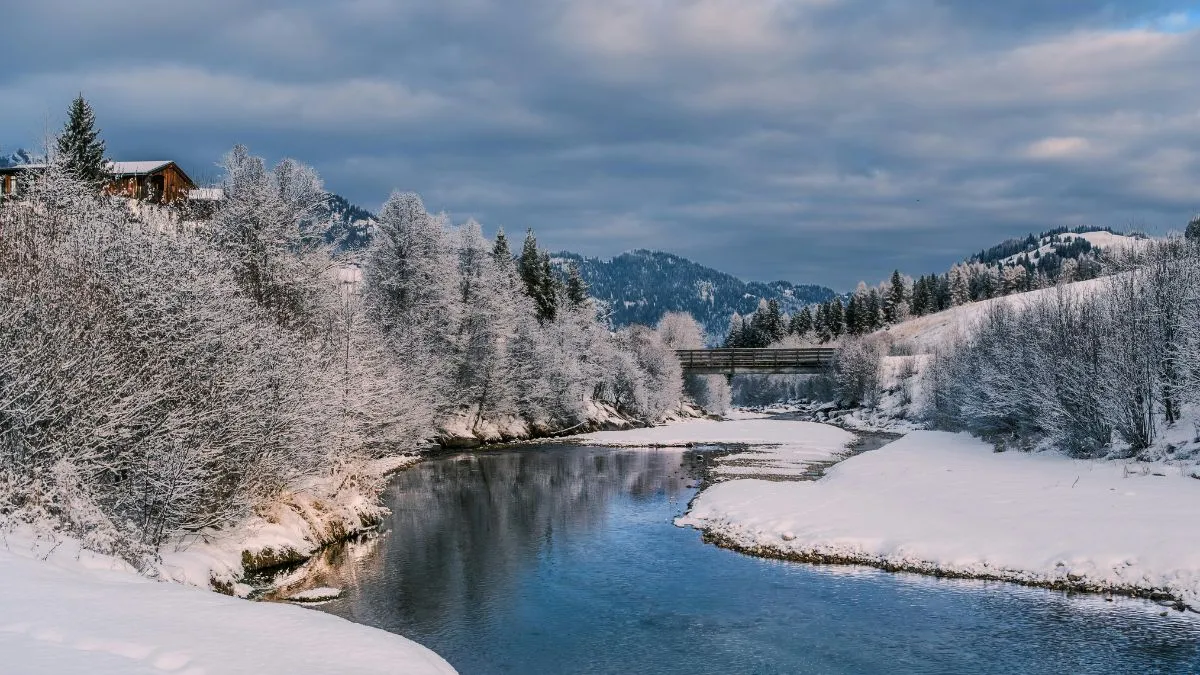
Rivers play a crucial role in shaping India’s geography, agriculture, and civilisation. Among them, snow-fed rivers are the most reliable and life-supporting water sources. Originating from Himalayan glaciers and snowfields, these rivers flow throughout the year and sustain millions of people across northern and eastern India. Their perennial nature makes them vital for irrigation, drinking water, hydropower, and ecosystems.
What Are Snow-Fed Rivers?
Snow-fed rivers are rivers that originate from glaciers and snow-covered regions, mainly in the Himalayas. They receive water from melting snow and glaciers, along with rainfall, which allows them to flow continuously throughout the year. These rivers are also known as perennial rivers.
Why Are Snow-Fed Rivers Important in India?
Snow-fed rivers are essential because they provide a steady supply of water even during dry seasons. They support large agricultural belts, major cities, hydropower projects and inland navigation. Without these rivers, vast regions of India would face severe water scarcity.
Major Snow-Fed River Systems of India
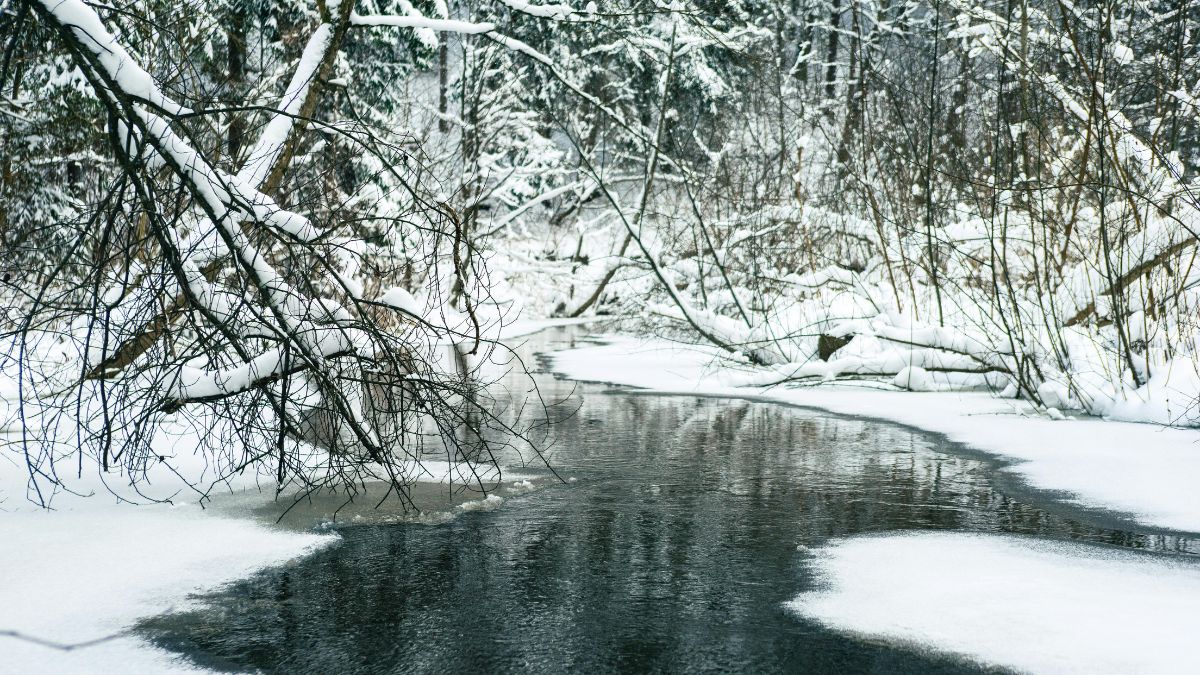
India has three major snow-fed river systems, all originating in or near the Himalayan region.
Indus River System
The Indus River originates from the Tibetan Plateau near Lake Mansarovar. It flows through Ladakh and enters Pakistan before draining into the Arabian Sea. Major tributaries include Jhelum, Chenab, Ravi, Beas, and Sutlej. This river system supports agriculture in north-western India.
Ganga River System
The Ganga originates from the Gangotri Glacier in Uttarakhand, where it is known as the Bhagirathi. After joining the Alaknanda at Devprayag, it becomes the Ganga. Its major tributaries include Yamuna, Ghaghara, Gandak, Kosi, and Son. The Ganga basin is one of the most fertile and densely populated regions in the world.
Brahmaputra River System
The Brahmaputra originates in Tibet as the Yarlung Tsangpo. It enters India through Arunachal Pradesh and flows through Assam before entering Bangladesh. Major tributaries include Dibang, Lohit, Subansiri, and Manas. This river system is known for its vast water volume and braided channels.
Characteristics of Snow-Fed Rivers
Snow-fed rivers have long courses and flow across multiple states and countries. They carry a large amount of water throughout the year due to glacier melt. These rivers form deep valleys, gorges, and fertile floodplains, shaping India’s physical and economic geography.
Difference Between Snow-Fed and Rain-Fed Rivers
Snow-fed rivers flow all year, while rain-fed rivers depend mainly on monsoon rainfall and may dry up during summer. Snow-fed rivers are more suitable for irrigation and hydropower because of their consistent water supply.
-1769599376364.jpg)
Interesting Facts About Snow-Fed Rivers of India
Perennial Water Supply
Snow-fed rivers never dry up completely because they receive water from both melting glaciers and seasonal rainfall. This makes them the most dependable river systems in India.
Cradle of Civilisations
Ancient Indian civilisations developed along snow-fed rivers like the Indus and Ganga. These rivers provided fertile land, water, and transport routes for early settlements.
Glacier-Driven Flow
Even during harsh winters or droughts, glacier melt ensures continuous flow. This unique feature separates Himalayan rivers from peninsular rivers.
High Flood Potential
Due to heavy monsoon rainfall combined with glacier melt, snow-fed rivers often cause floods, especially in plains of north India and Assam.
Transboundary Rivers
Many snow-fed rivers flow across international borders, making them important for regional cooperation and water-sharing agreements.
Read more: Which Ocean Has the Maximum Number of Islands?
Snow-fed rivers of India are the backbone of the country’s water system. Originating from the Himalayas, these perennial rivers sustain agriculture, power generation and ecosystem. Keep reading for more such topics.





Comments
All Comments (0)
Join the conversation