Key Points
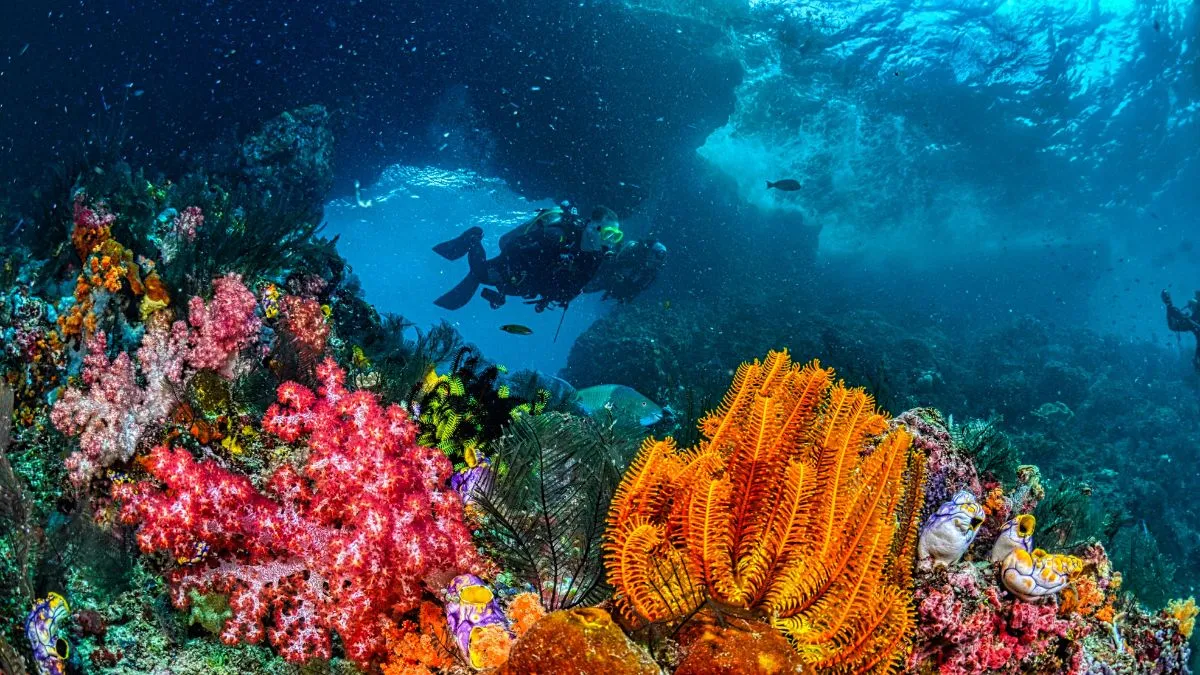
- It stretches over 2,300 km off Australia's coast.
- Home to 1,500+ fish species and hundreds of coral species.
- A UNESCO World Heritage Site due to its natural value.
For centuries, coral reefs have supported marine life and protected coastlines across the planet. Among them, one reef system stands unmatched in size, biodiversity, and global importance. Stretching across vast ocean waters and visible even from space, this natural wonder raises curiosity about why it is recognised as the largest coral reef in the world. Keep reading to discover the details.
Why Is the Great Barrier Reef the Largest Coral Reef in the World?
The Great Barrier Reef is called the largest coral reef in the world because it is the biggest living structure on Earth. It stretches for more than 2,300 kilometres along the northeastern coast of Australia and consists of thousands of individual reefs and islands. Its massive size, complex ecosystem, and unmatched marine diversity clearly place it at the top globally.
Coral Reef Overview
| Detail | Information |
| Largest Coral Reef | Great Barrier Reef |
| Location | Coral Sea, off the Queensland coast, Australia |
| Total Length | Over 2,300 km |
| Number of Reefs | Around 2,900 |
| Number of Islands | Over 900 |
| UNESCO Status | World Heritage Site |
Where Is the Great Barrier Reef Located?
The Great Barrier Reef is located in the Coral Sea, along the northeastern coast of Australia in the state of Queensland. It runs parallel to the coastline and covers an area larger than many countries, making it the most extensive reef system on Earth.
Largest Living Structure on Earth
The Great Barrier Reef is the largest living structure made by organisms. It is so vast that it can be seen from outer space. Unlike man-made structures, it was formed naturally over millions of years by tiny coral polyps working together.
Highest Marine Biodiversity in the World
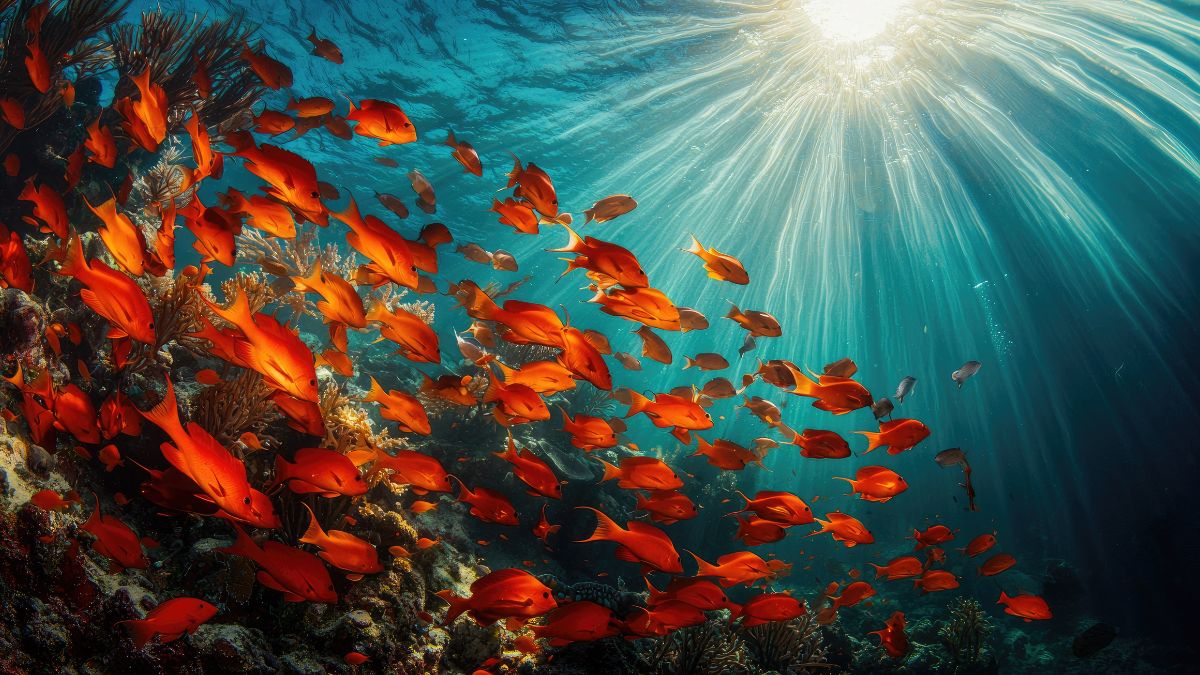
The reef supports one of the highest levels of marine biodiversity on the planet. It is home to thousands of species of fish, corals, molluscs, turtles, sharks, rays, and marine mammals. This rich biodiversity makes it one of Earth’s most important ecosystems.
Major Island Groups in the Great Barrier Reef
The reef system includes over 900 islands, ranging from small coral cays to large continental islands. Popular island groups include the Whitsunday Islands, Capricorn Group, and Lizard Island group. These islands support unique plant life, seabird nesting sites and tourism activities while also playing a role in reef protection.
Why Is the Great Barrier Reef Important?
The Great Barrier Reef protects Australia’s coastline from erosion, supports fishing industries, and contributes significantly to tourism. It also plays a vital role in scientific research, helping scientists study climate change, ocean health and marine ecosystems.
Interesting Facts About the Great Barrier Reef
World’s Largest Coral System
The Great Barrier Reef covers an area of around 344,400 square kilometres, making it larger than countries like Italy and Germany. Its size alone makes it unmatched anywhere on Earth.
Visible from Space
Astronauts can see the Great Barrier Reef from space due to its enormous scale and bright coral formations. It is one of the few natural features visible beyond Earth’s atmosphere.
Home to Thousands of Species
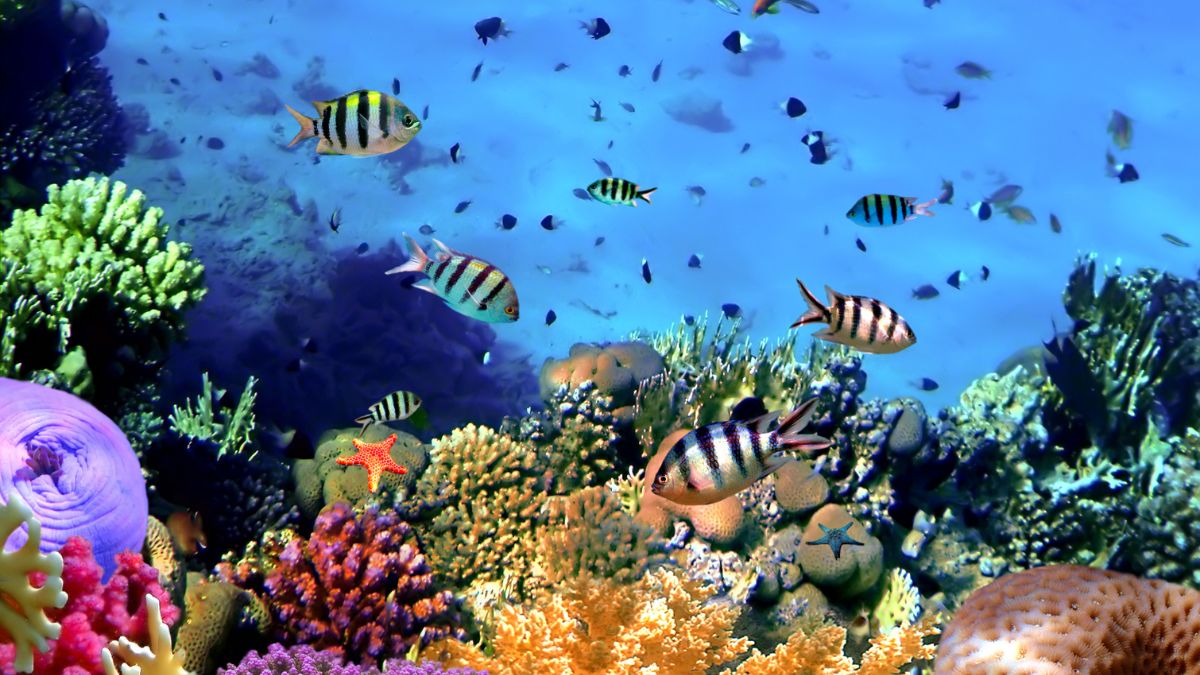
The reef supports over 1,500 species of fish, hundreds of coral species, and many endangered animals like dugongs and green sea turtles. This makes it one of the most biologically diverse places on Earth.
UNESCO World Heritage Site
The Great Barrier Reef was declared a UNESCO World Heritage Site for its outstanding natural value. This status highlights its global importance and the need for its protection.
Sensitive to Climate Change
The reef is highly sensitive to rising sea temperatures and coral bleaching. Scientists closely monitor it as an indicator of the health of the world’s oceans.
Read more: Which State Has the Largest Tribal Population in India?
The Great Barrier Reef is known as the largest coral reef in the world because of its immense size, extraordinary biodiversity and global ecological importance. Keep reading for more such article.



Comments
All Comments (0)
Join the conversation