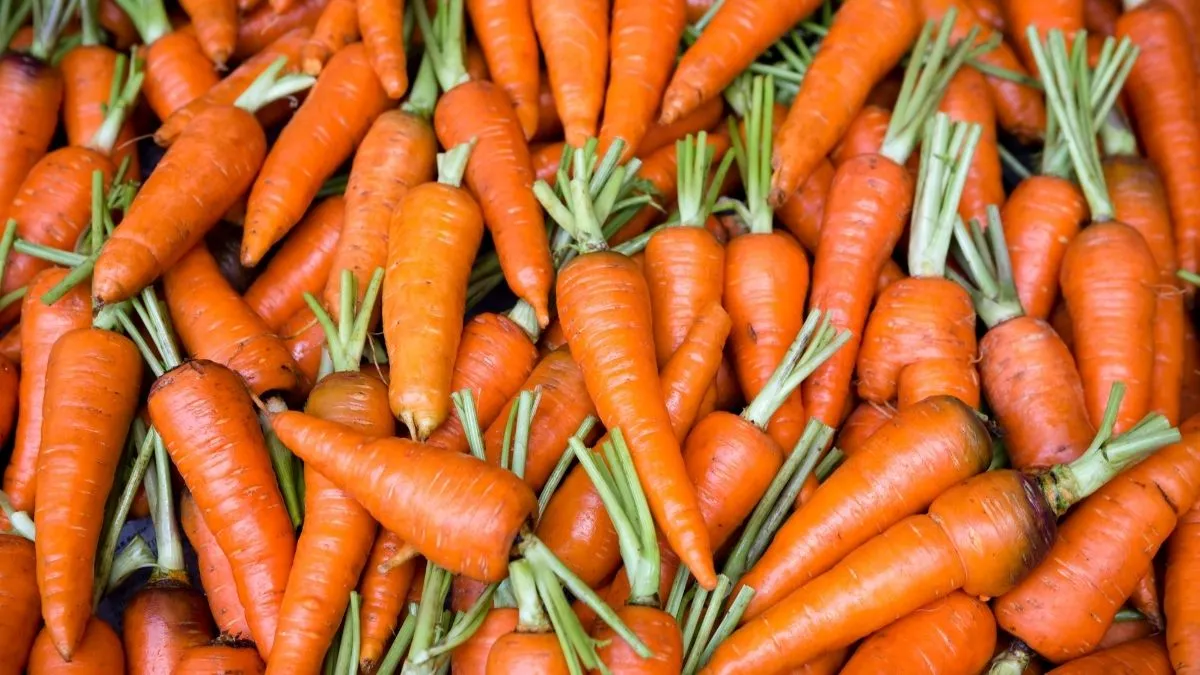
Scientific name of carrot: Carrots are a key part of a healthy diet. They come in many colors, from the bright orange sticks in a lunchbox to the dark purple roots found in artisanal markets. But what do scientists call a carrot? This biennial plant is known in the plant world as Daucus carota.
Its history is as colorful as its skin. Even though we usually think of it as a simple vegetable, its Latin name connects it to a large group of fragrant herbs, such as cumin and parsley. As we move into 2026, the world's interest in food security has put the carrot family (Apiaceae) under the microscope.
Recent data on farming show that China is still the world's largest producer, making up almost 44% of the world's supply. Knowing the scientific name for carrot is more than just a biology lesson; it's also a way to learn how a wild weed called Queen Anne's Lace turned into the sweet, beta-carotene-rich taproot that helps millions of people see and fight off disease.
What is the Scientific Name of a carrot?
The formal scientific name for carrot is Daucus carota. Specifically, the domesticated version we eat is classified as the subspecies Daucus carota subsp. sativus. According to the USDA Plants Database, this plant is a member of the Apiaceae family (formerly known as Umbelliferae).
The name follows the binomial nomenclature system established by Carl Linnaeus. Daucus refers to the genus, while carota identifies the species. The term Subsp. Sativus distinguishes the fleshy, cultivated garden carrot from its wild ancestor, often called Queen Anne's Lace.
In the biological world, this distinction is vital as the wild variety possesses a much woody and less palatable core compared to the domestic scientific name carrot varieties.
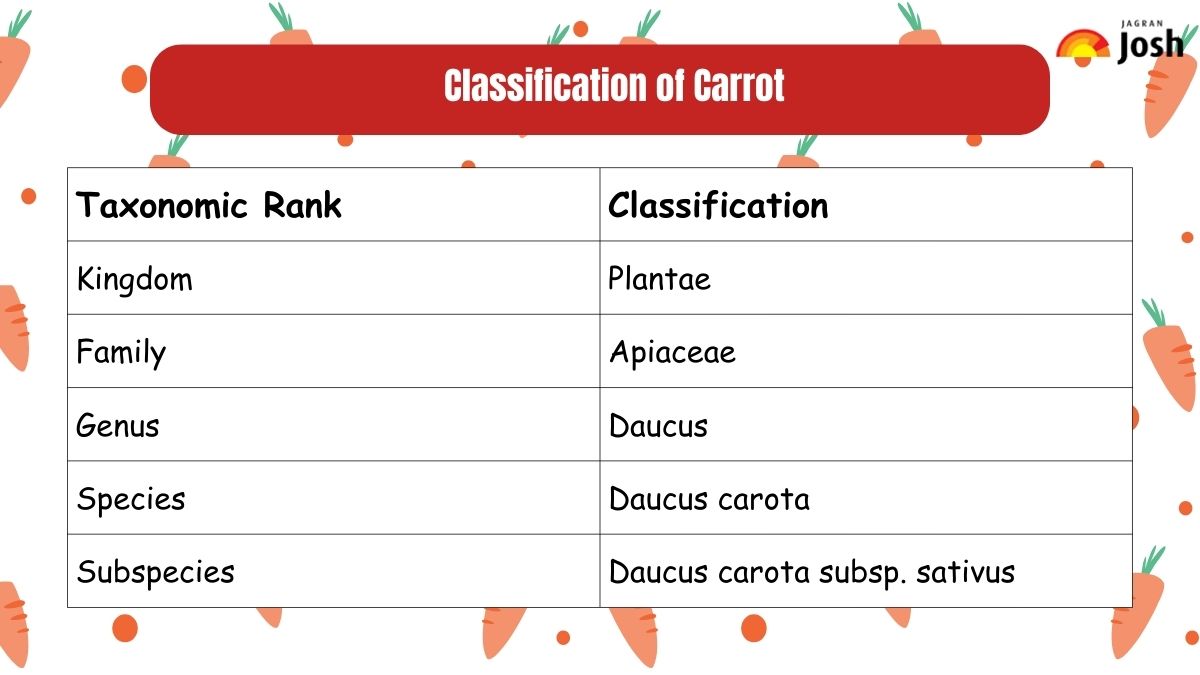
| Taxonomic Rank | Classification |
| Kingdom | Plantae |
| Family | Apiaceae |
| Genus | Daucus |
| Species | Daucus carota |
| Subspecies | Daucus carota subsp. sativus |
Check Out - What is the Scientific Name of Human Beings?
Types of Carrot and Their Scientific Name
While all garden carrots fall under the scientific name of carrot plant (Daucus carota subsp. sativus), they are grouped into distinct types based on their growth habits and color. The diversity within the scientific name of carrots is primarily driven by their pigment concentration.
| Carrot Type | Primary Pigment | Common Cultivars |
| Orange | Beta-carotene | Nantes, Danvers, Imperator |
| Purple/Black | Anthocyanin | Pusa Ashita, Purple Haze |
| Yellow | Lutein | Amarillo, Solar Yellow |
| Red | Lycopene | Atomic Red |
| White | Minimal | Lunar White |
The Royal Botanic Gardens, Kew, notes that while orange is the most commercialized, purple and yellow varieties are the original heirloom types, offering a broader range of antioxidants and phytochemicals.
Check Out - What is the Scientific Name of a Pine Tree?
What is the Origin History of Carrots?
The history of carrots begins roughly 1,100 years ago in the plateau of Iran and Afghanistan. Early ancestors of the scientific name carrot were not orange; they were predominantly purple or yellow and were originally grown for their fragrant seeds and leaves rather than the root itself.
In the 17th century, the modern orange carrot came about. The World Carrot Museum says that Dutch farmers selectively bred yellow carrots to make a bright orange strain, which may have been a tribute to William of Orange.
It spread quickly across Europe and then the world because it was sweeter and juicier than the bitter wild roots. Carrots had already made their way to China through trade routes by the 13th century, showing how popular this versatile root is around the world.
Also Read - What is the Scientific Name of a Rabbit?
The carrot is still an important part of diets around the world today. As of 2026, scientists are working on "bio-fortified" versions of carrots that have even more Vitamin A by studying the scientific name of the carrot. This simple root, which started out as a wild herb in Central Asia, is now one of the most important tools in the fight against malnutrition around the world.



Comments
All Comments (0)
Join the conversation