
Do you know how we can turn a singular noun into a plural noun? The solution is simple. Just add an '-s' at the end of the word, and whoosh, the job is done.
The word 'house' becomes 'houses', 'word' becomes 'words', 'stamp' becomes 'stamps', and the list goes on.
But the English language is not as simple as it seems. You will find various rules you must follow to learn properly.
But what if someone tells you that the plural form of 'goose' is not 'gooses' or the plural of 'foot' is not 'foots'? But rather geese and feet. You might question why.
And you should question, like, why it is not 'gooses' or 'feets'. But there is a logical reasoning behind it.
There is one such rule in English according to which just adding an 's' to the back of the singular word will not make it plural. But what exactly is this rule?
Does this also apply to the word "mouse," or is it an exception? What is the plural of "mouse"?
For that, you'll have to be with us till the end of this article to know all the answers you're searching for.
TRY: If You Possess Eyes As Sharp As Sherlock, Then Find The Mouse Hidden Among Cats In 22 Seconds!
What is the plural form of Mouse?
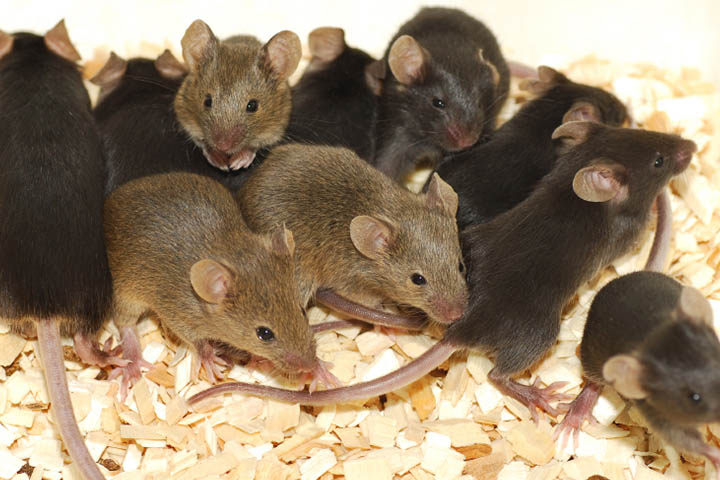
The plural form of “mouse” is “mice". It could be mouses, since adding an -s to the word 'mouse' is easier to do and remember. Though it is logically valid, but let us correct you: it is not the plural form of mouse.
You might be wondering why that is so. Here’s the proper logical answer for your curious mind. Most words in the English language use an old English rule, i.e., irregular plurals.
In this rule, instead of adding a letter at the end, the word changes its vowel sound within.
This means that the plural of 'mouse' becomes 'mice', 'foot' becomes 'feet', 'tooth' becomes 'teeth', and the list goes on. This comes from the way English developed from Germanic languages long ago.
So even though "mouses" might make sense, "mice" is the correct word if you want your grammar to be right.
Quick Reference
| Singular | Plural |
| Mouse | Mice |
| Louse | Lice |
| Dormouse | Dormice |
Here’s a fun exception: when you talk about the computer mouse on your desk, most dictionaries say you can use either "mice" or "mouses".
TAKE THIS CHALLANGE: Brain Teaser: Only 2% with the keenest focus can spot the odd mouse in 6 seconds!
Some Examples for Clear Understanding
A normal example can be, “The little mice scrambled across the floorboards looking for a few leftover crumbs."
If you are talking about a computer's mouse, then you can say, "I've got to pick up a couple of new mouses for the laptops at the office."
And you can also use both words, 'mouse' and 'mice', in a single sentence. Here's the example: "One mouse won't make a sound, but a whole group of mice can get pretty loud during the night."
Additionally, there is this idiom about mice: "When the cat's not around, the mice are going to have some fun!"
Why "Mice" and Not "Mouses"?
The reason we use "i" instead of "ou" is because of an old language pattern called "i-mutation". You know, that is why "geese" becomes "gooses" and "feet" becomes "foots".
| Singular | Plural | Sentence Example |
| Mouse | Mice | The field is full of mice. |
| Foot | Feet | My feet are tired after the walk. |
| Goose | Geese | A flock of geese flew overhead. |
Key Takeaways for Students
- Standard Rule: Most nouns add -s or -es.
- The Exception: “Mouse” changes to Mice.
- The “Computer” Rule: Both “mice” and “mouses” are okay for computers.
Conclusion
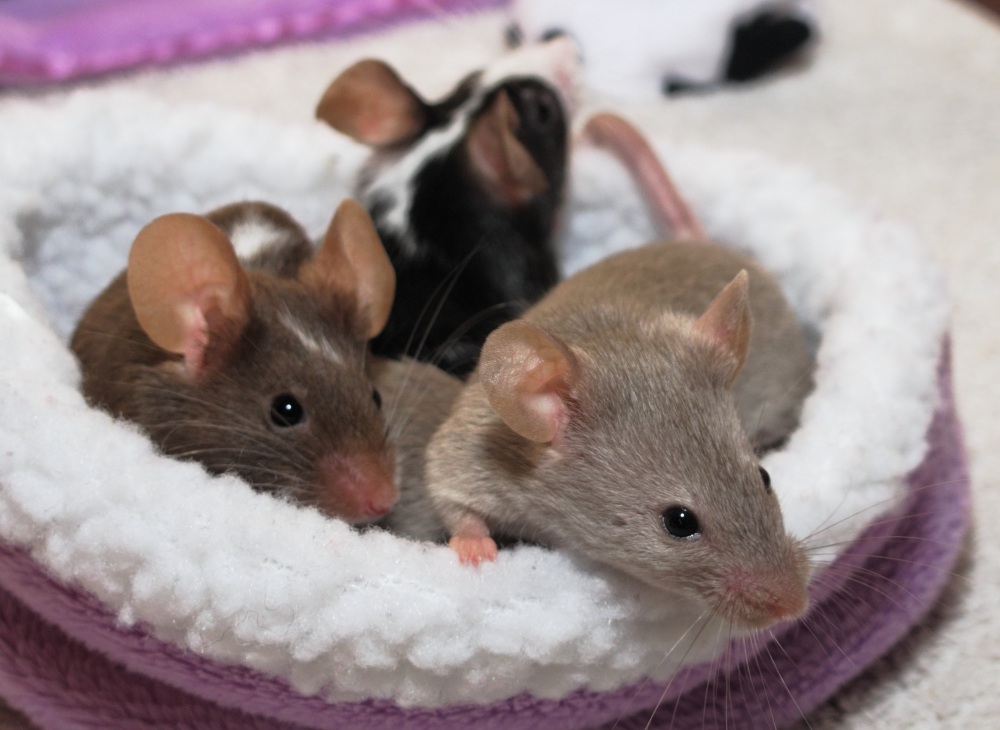
So, at the end, it is confirmed that the plural of 'mouse' is not 'mouses' but 'mice'. If you are a beginner, then it is understandable that English is not an easy language to learn.
As the saying goes, Rome wasn’t built in a day; similarly, it may take a little while for you to .master your English in a short period of time
Some English words can be confusing because they do not always follow the usual rules.
When you use the correct words, others will understand you. With more practice, these words will become easier to use.
CAN YOU SOLVE IT? Brain Teaser: Only the Visually Sharp Can Spot the Mouse Among Squirrels in Time!





Comments
All Comments (0)
Join the conversation