Which Is the Only Country in the World That Can Feed Itself Fully?
According to a study by Nature Food, this is the only country in the world that is capable of fully feeding itself. Learn about the country and how it manages to do so.
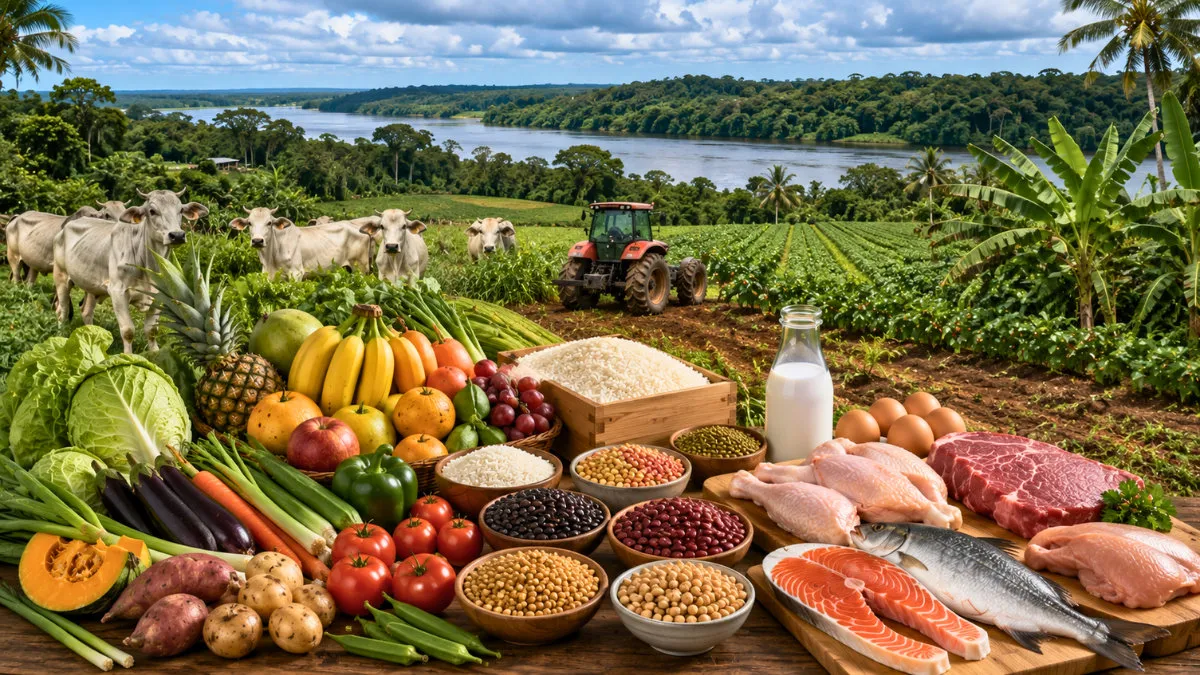
A country's prosperity isn’t synonymous with independence in bread, as many wealthy nations rely on imports to sustain themselves. Starchy staples, fruits, vegetables, dairy, meat, fish, and legumesare the primary food categories needed to meet a nation’s feeding requirements.
An interesting fact is that key agricultural producers like the United States and China still depend on buy-in for at least one of the above mentioned key food categories. There is only one nation in the world which can fulfill all the seven key categories without relying on imports.
Let us explore the nation and how it achieves self-sufficiency in terms of food production.
Which Country Can Feed Itself Fully?
Based on a study by Nature Foods, Guyana, a country in South America, was the only country among 186 countries that can count on its domestic produce to meet all of its nutritional demands.
The country stands as an exception in producing food for itself globally, encompassing all the essential nutrient categories, as well export of its production of starchy staples and fruit, surpassing its indigenous needs.
Guyana enjoys a unique position in this category, with China and Vietnam coming close with independence in six key food categories. High income of nations doesn’t guarantee their food independence, as Canada and the United States rank lower in the category.
How Can Guyana Feed Itself Fully?
The scope of success Guyana has achieved can be understood by the fact that it has still preserved more than 85 percent of its original forests, whereas they are destroyed for clearing land for cultivation in other South American nations.
Favourable Climate
As per Nicola Cannon, professor of agriculture at the Royal Agricultural University in Gloucestershire, UK, “The climate in the coastal region of Guyana makes it highly suitable for crop production.”
The geographical position of Guyana, between one and nine degrees north of the equator, blesses it with year-round warmth, plentiful rainfall, high humidity, as well as fertile clay soils deposited by the Amazon River system over millennia, which contribute significantly towards its independence in feeding itself.
Formula Of Success
The main formula of success for Guyana in achieving the landmark is its different approach towards cultivation. Intercropping, i.e., growing two or more crops together in the same field, is central to its cultivation success.
For example, Corn and soya beans use the same soil: the beans fix nitrogen naturally, while the corn draws on nutrients at a different point in the season.
Intercropping requires careful planning with sowing different crops together, which complement each other and do not compete, but it is beneficial in many ways, like improving soil structure, enhancing fertility, and controlling pests when the balance is achieved correctly.
It also provides the farmers with alternatives, as one crop can survive if the other is destroyed, attributed to unfavourable weather, pests, or market fluctuations.
Check out some more interesting articles from the general knowledge section to boost your knowledge of national and international topics. Stay connected with Jagran Josh for more topics like this.

Mriganka Chakraborty is currently serving as a Deputy Manager, managing the GK section at Jagran Josh. He has 7+ years of stellar experience in crafting engaging articles for a global audience. He is a recognised Expert in Pop Culture Puzzles (Optical Illusions, IQ Tests, 'Spot the Difference', Personality Tests). Mriganka also writes authoritative content on Sports and Science topics. His work is trusted by millions worldwide and makes learning addictive and fun. He is fond of non-fiction novels and action and thriller movies.


