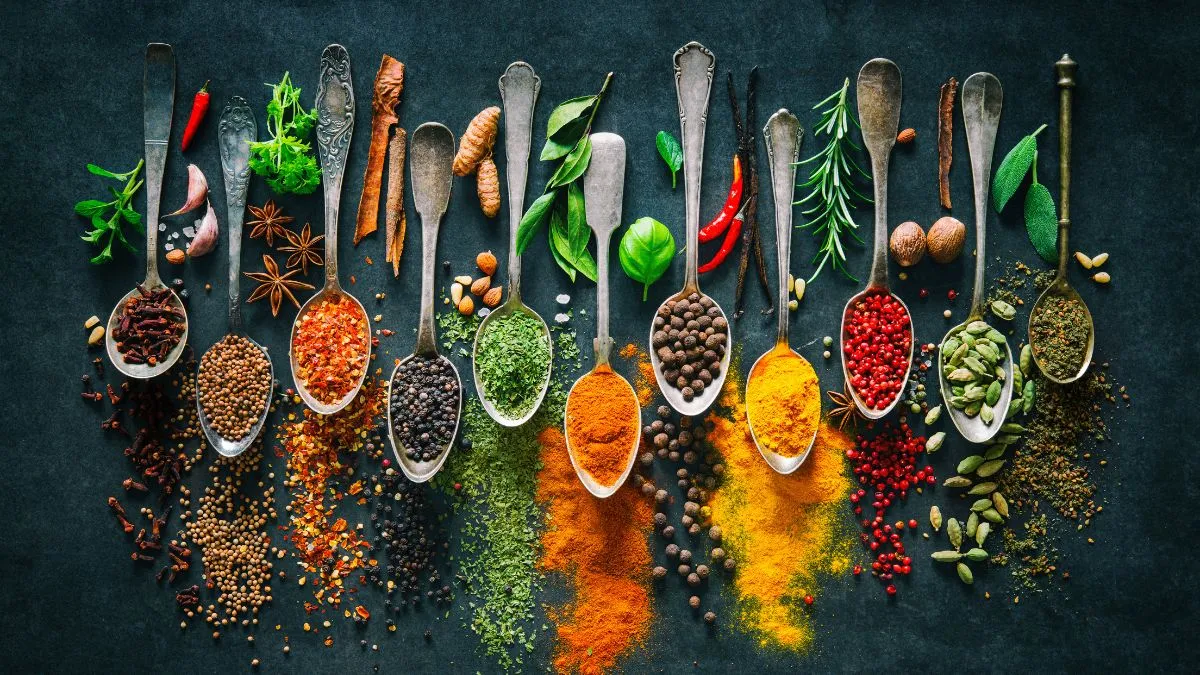
India is known as the land of spices and has been famous for spice production since ancient times. Spices play a major role in Indian cooking, medicine and food preservation. The country produces a wide variety of spices such as pepper, cardamom, turmeric, and coriander. Due to its diverse climate and fertile soil, many Indian states cultivate spices. However, one state stands out as the largest spice producer in India. Understanding spice production helps us learn about India’s agricultural strength and its role in global spice trade.
Which State Is the Largest Spice Producer in India?
The largest spice producer in India is Madhya Pradesh. The state produces the highest quantity of spices, especially garlic, coriander and chili. Large agricultural areas and suitable climate conditions support spice cultivation in this state. Farmers in Madhya Pradesh grow different types of spices throughout the year. The state contributes significantly to India’s total spice production and supports both domestic consumption and export markets.

Top 5 Spice Producing States in India
1. Madhya Pradesh
Madhya Pradesh ranks first in spice production due to its large farming areas and favorable climate. The state produces major spices like coriander and garlic in large quantities.
2. Rajasthan
Rajasthan is known for producing coriander, cumin, and other dry spices. Its dry climate supports spice cultivation.
3. Gujarat
Gujarat contributes significantly to cumin and fennel production. The state supports large-scale spice farming.
4. Andhra Pradesh
Andhra Pradesh is famous for chili production. The state’s climate is suitable for growing spicy crops.
5. Telangana
Telangana also produces a large amount of chili and turmeric. It plays an important role in India’s spice industry.
Why Is India Known as the Land of Spices?
India is called the land of spices because it produces a wide variety of spices used worldwide. Indian spices have been traded internationally for centuries. Many countries import spices from India for cooking and medicinal purposes. The spice trade played an important role in India’s historical trade routes. Today, India continues to lead global spice production.
Major Spices Grown in India
India produces several important spices used in cooking and food processing. Turmeric, coriander, chili, cumin and cardamom are among the most widely grown spices. These spices are used in curries, snacks and packaged foods. Some spices also have medicinal properties and are used in traditional remedies. Large spice production supports food industries and exports.
Largest Producer of Spices in the World
India remains the largest spice-producing country in the world. It grows over 75 types of spices, with chilli being the most cultivated. Other major spices include black pepper, cardamom, turmeric, cumin and coriander. States like Kerala, Karnataka, Tamil Nadu and Andhra Pradesh are the top spice-producing regions.
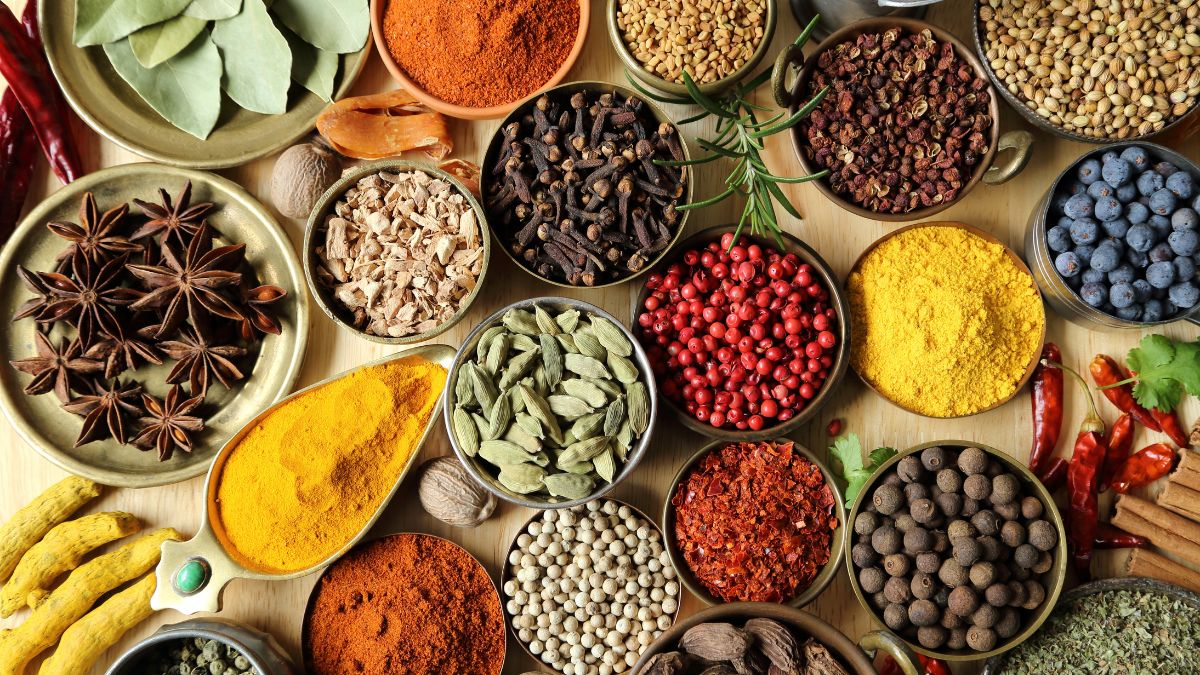
Interesting Facts About Spice Production in India
India Produces a Large Variety of Spices
India grows more than 70 types of spices, making it one of the most diverse spice-producing countries. These spices are used in cooking, medicine and cosmetics. The variety of spices reflects India’s rich agricultural heritage.
Madhya Pradesh Leads Spice Production
Madhya Pradesh produces the highest quantity of spices in India. Large farming areas and favourable weather conditions help increase production. The state supplies spices to many regions.
India Is One of the Largest Spice Exporters
Indian spices are exported to several countries worldwide. This contributes significantly to the country’s economy. Spices from India are known for their strong flavor and aroma.
Spices Have Medicinal Properties
Many spices such as turmeric and ginger are used in traditional medicine. They are believed to support immunity and digestion. This makes spices valuable beyond cooking.
Spice Farming Supports Millions of Farmers
Spice cultivation provides employment to a large number of farmers and traders. It also supports rural economies and small businesses.



-1775532935592_t.webp)

Comments
All Comments (0)
Join the conversation