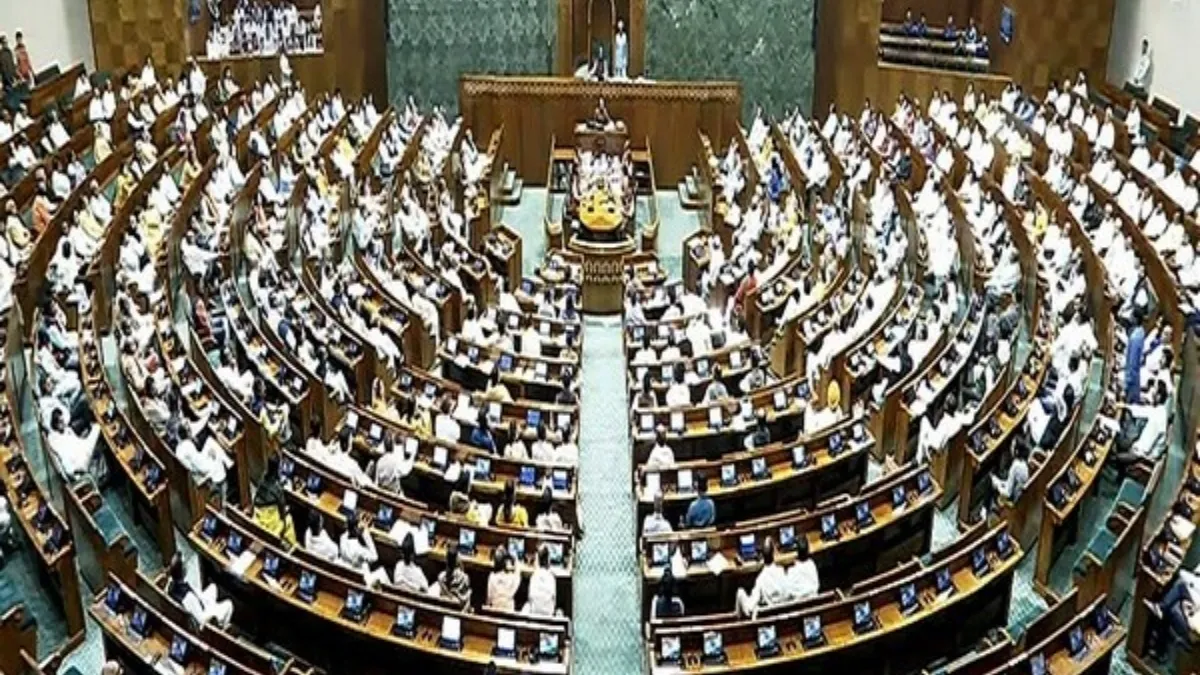
Jan Vishwas (Amendment of Provisions) Bill, 2026 introduced in the Indian Parliament to amend 2023 Act, this new Bill seeks to decriminalize 717 provisions across 79 Central Acts administered by 23 Ministries by replacing imprisonment with civil penalties and rationalizing over 1,000 offences. The Jan Vishwas Bill 2026 aims to promote a trust-based governance model, reducing the compliance burden on MSMEs and citizens alike.
What is Jan Vishwas Bill 2026?
The Government of India introduced and passed the Jan Vishwas (Amendment of Provisions) Bill, 2026 in the Lok Sabha on March 27, 2026 to modernise India’s regulatory framework and amend the 2023 Act. It aims to strike a balance between "Minimum Government and Maximum Governance" by ensuring that minor, technical, or procedural defaults do not lead to criminal records or imprisonment.
The Jan Vishwas Bill 2026 is an omnibus legislation designed to amend multiple existing laws simultaneously to promote Ease of Living and Ease of Doing Business , incorporating recommendations from a Select Committee chaired by Shri Tejasvi Surya.
The 2026 Bill focuses on various sectors like environment, agriculture, media, and transport to eliminate the "fear of imprisonment" for minor lapses that do not involve criminal intent. Here are the kwy features of the Bill:
1. Decriminalization of Minor Offences: The core of the Bill is the conversion of criminal punishments into civil penalties. For example:
- Drugs and Cosmetics Act, 1940: Manufacturing cosmetics in contravention of the Act now attracts a high civil penalty instead of a one-year jail term.
-
National Highways Act, 1956: Actions making a highway "impassable" will now face heavy monetary penalties (up to ₹1 crore) rather than imprisonment.
2. Graded Enforcement Mechanism: To encourage compliance without immediate punishment, the Bill introduces:
-
Advisories and Warnings: For first-time or second-time minor lapses (e.g., under the Apprentices Act, 1961), the government will issue warnings before imposing fines.
-
Improvement Notices: Under the Legal Metrology Act, 2009, businesses are given a specific window to rectify non-compliance before facing penalties.
3. Adjudication and Appeals:
-
Adjudicating Officers: Ministries will appoint officers to conduct inquiries and impose penalties.
-
Appellate Authorities: A structured mechanism for appeals ensures natural justice without clogging the judiciary.
4. Dynamic Penalty Revision: To ensure penalties remain a deterrent over time, the Bill mandates an automatic 10% increase in the minimum amount of fines and penalties every three years.
Benefits of the Jan Vishwas Bill 2026:
-
Boost to MSMEs: Small businesses are often the hardest hit by complex compliance. This Bill removes the threat of "Inspector Raj" and jail time for procedural errors.
-
Reduced Judicial Burden: By moving minor cases to administrative adjudication, the Bill helps reduce the massive backlog in Indian courts.
-
Investment Attraction: A trust-based legal environment improves India’s global ranking in "Ease of Doing Business," encouraging both domestic and Foreign Direct Investment (FDI).
-
Modernizing Colonial Laws: The Bill removes several outdated provisions from the British era that have lost relevance in a digital and modern economy.
The Jan Vishwas (Amendment of Provisions) Bill, 2026, aims to decriminalize 717 minor offenses across 79 Central Acts, replacing imprisonment with civil penalties. Introduced to modernize India's regulatory framework, it seeks to reduce compliance burdens for MSMEs and citizens, promoting ease of doing business. Key features include graded enforcement and dynamic penalty revisions, ultimately reducing judicial backlog and attracting investment by fostering a trust-based governance model.
Download PDF Here: Jan Vishwas Bill 2026 pdf
Also Read: What is Antariksh Venture Capital Fund? Check Its objectives, Features and Significance



Comments
All Comments (0)
Join the conversation