When you look up at the night sky, you see thousands of tiny, twinkling lights. These are stars! These stars are giant, luminous spheres of plasma, and there are billions of them present in the Milky Way Galaxy. But, all of a sudden, have you ever asked yourself, which is the Closest Star to the Earth? As every one know, the Sun is also a star, and it is one of the closest stars to the Earth. But, other than the sun, do you know which is the Closest Star to the Earth? So, let’s explore this article in detail and know more about the closest star to the Earth.
Which is the Closest Star to the Earth?
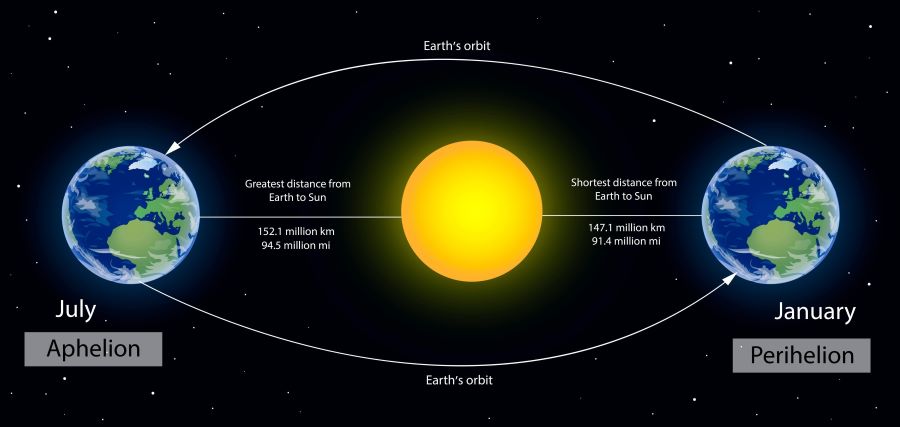
The Sun is the closest star to Earth. As a G-type main-sequence star (a yellow dwarf), the Sun provides the gravitational pull that holds our solar system together. According to NASA’s Parker Solar Probe mission data, the Sun isn't just a static ball of fire; it is a dynamic star with a complex atmosphere that directly impacts Earth’s "space weather."
Vital NASA Statistics:
-
Distance: About 150 million kilometres away.
-
Light Speed: It takes exactly 499 seconds (about 8.2 minutes) for a photon to travel from the Sun’s surface to your eyes.
-
Temperature: The core reaches a staggering 15 million degrees Celsius.
Source: shutterstock
But, after the Sun, which is the Closest Star to the Earth? The answer is Proxima Centauri. Proxima Centauri is a small, dim star. You cannot see it with just your eyes; you would need a powerful telescope. Both NASA and ISRO scientists study this star because it is "just around the corner" in space terms.
Source: NASA
-
Distance: About 4.25 light-years away.
-
What is a light-year? It is the distance light travels in one year. Even though it is the "closest," it is still very far! If you took a fast aeroplane, it would take you millions of years to get there.
So, Proxima Centauri is the Closest Star to the Earth after the Sun in our solar system.
About the Alpha Centauri Triple System
Source: NASA
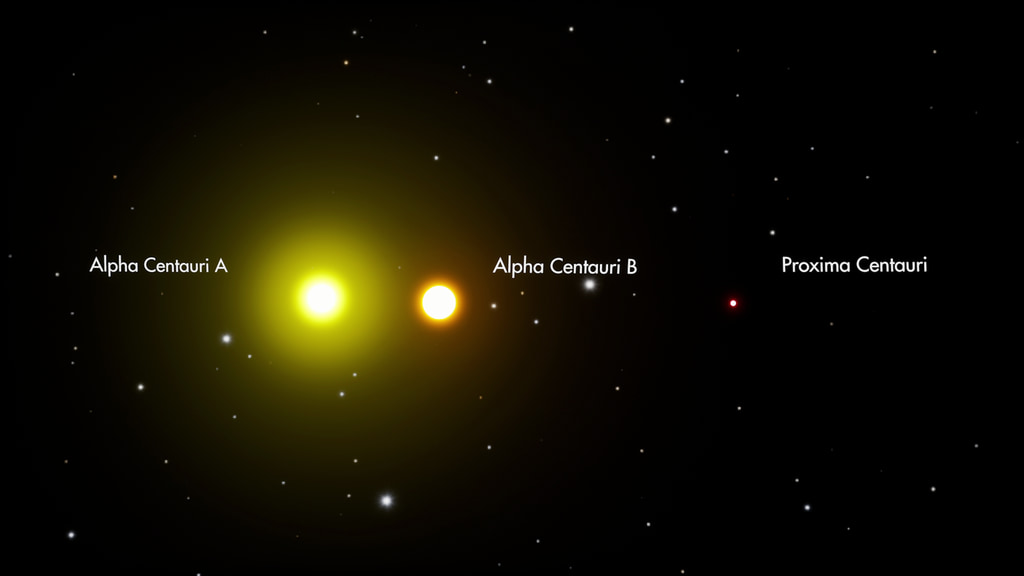
Proxima Centauri is not alone. It is part of a group of three stars called the Alpha Centauri system.
1. Alpha Centauri A: A large star, a bit like our Sun.
2. Alpha Centauri B: A slightly smaller, cooler star.
3. Proxima Centauri (Alpha Centauri C): The smallest of the three and the one that is physically closest to us right now.
| Star Name | Distance from Earth | Spectral Type | Visibility |
| The Sun | 8.2 Light-Minutes | G2V (Yellow Dwarf) | Brilliant |
| Proxima Centauri | 4.24 Light-Years | M5.5 (Red Dwarf) | Telescope Only |
| Alpha Centauri A | 4.37 Light-Years | G2V (Yellow Dwarf) | Very Bright |
| Alpha Centauri B | 4.37 Light-Years | K1V (Orange Dwarf) | Bright |
So, in conclusion, the answer to "Which is the closest star to the Earth?" is the Sun. But if you are looking for the closest star outside our solar system, the winner is Proxima Centauri, which is located 4.24 Light-Years distant from the Earth.



Comments
All Comments (0)
Join the conversation